

When most people think of tropical or subtropical escapes in the U.S., their minds wander to the white-sand beaches of Hawaii, the lush Everglades of Florida, or the breezy coastlines of Southern California.
But tucked away at the southern tip of the Lone Star State is a region few realize is not only subtropical by climate but by culture, flora, and rhythm of life.
Here, swaying palm trees line the roads, bougainvillea explode in color, and subtropical breezes carry the scent of citrus and salt from the Gulf. It’s a place where winter feels like spring, where the sun shines longer, and where a blend of Tex-Mex culture and subtropical ambiance create a setting unlike anywhere else in the continental United States.
This part of Texas deserves more than a glance—it deserves a dedicated trip. And here’s why it stands apart from America’s more well-known warm-weather regions.
Climate Classification: Most of South Texas, including the Rio Grande Valley and South Padre Island, falls under a humid subtropical climate.
Tropical climates require average monthly temperatures above 64.4°F (18°C) year-round with no cold season. Parts of South Texas almost reach this threshold but not consistently.
Subtropical regions like South Texas do have hot summers and mild winters, with the potential for brief cold snaps — something true tropical areas (like Miami, Key West, or Hawaii) don’t typically experience.
Where Exactly Is Subtropical Texas?
The subtropical Texas refers to the southernmost region of the state, particularly the Rio Grande Valley (often just called “The Valley”), which includes cities like McAllen, Harlingen, Brownsville, and the ever-sunny South Padre Island. This region sits just above the Tropic of Cancer, giving it a humid subtropical climate that more closely resembles Miami or parts of Central America than it does Dallas or Houston.

With mild winters and long, hot summers, subtropical Texas has become a refuge for “Winter Texans” — seasonal visitors who come to escape northern chill. But its appeal goes far beyond snowbird migration. With average winter temperatures in the 70s and lush greenery year-round, this is the kind of place where you can sip aguas frescas under palm trees while migratory birds fly overhead and mariachi music drifts through the air.
Southern Texas vs. Florida: Beautiful Destinations with Different Souls
Florida may be the poster child for subtropical living, and for good reason. From the Keys to the Panhandle, it offers world-class beaches and theme parks, and Miami pulses with international flavor. But Texas’s subtropical corner offers something Florida doesn’t — a more authentic, less commercialized experience.
While South Florida is increasingly defined by development and crowds, subtropical Texas remains a hidden gem.
Cities like Brownsville or Mission may not have towering resorts or glittering nightlife, but what they lack in polish, they make up for in genuine culture. Street tacos, backyard citrus groves, and quiet coastal sunsets are the norm. You’re more likely to hear Spanish spoken in daily life here than English — a reflection of the deep cultural ties to Mexico and Central America.
For nature lovers, the Rio Grande Valley is a dreamscape. It’s home to the World Birding Center, nine unique sites that attract rare and tropical bird species you can’t find elsewhere in the U.S. Think green jays, chachalacas, and altamira orioles — all flitting through mesquite and sabal palm forests.
Subtropical Texas vs. Tropical Hawaii: Island Vibes Without the Flight Time
Hawaii may be America’s crown jewel of the tropics, but it comes with a price: a five-hour flight minimum, a hefty travel budget, and lots of planning. Southern Texas offers an easier alternative, especially for travelers from the South, Midwest, or West.
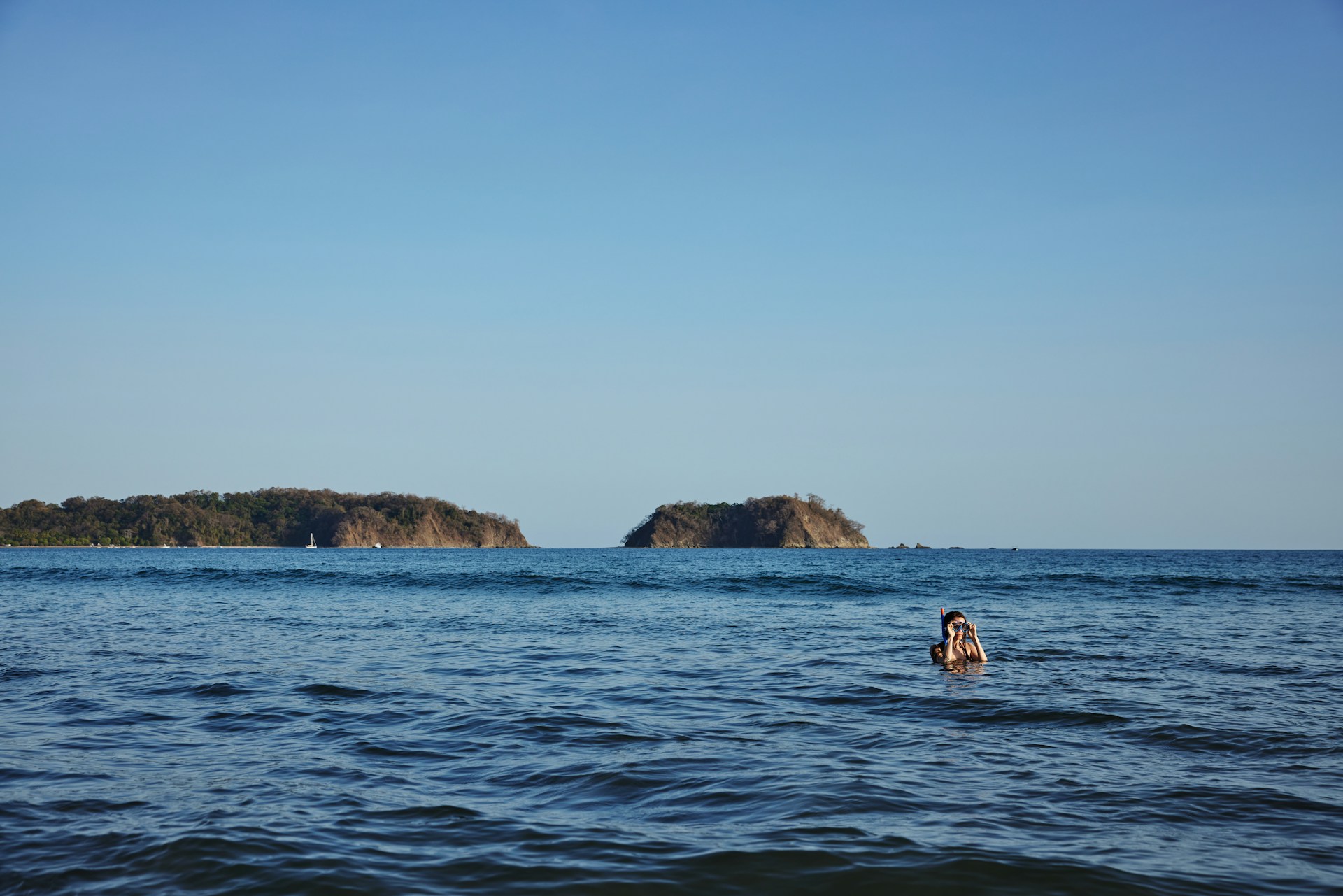
South Padre Island, located just off the coast, delivers many of the same experiences: beachfront resorts, island seafood, water sports, and endless ocean views. Kiteboarding, dolphin watching, and deep-sea fishing are big here, and the island’s laid-back vibe rivals any beach town in Maui or Kauai.
And while Hawaii is lush and mountainous, South Texas has its own visual poetry — miles of coastal wetlands, barrier islands, and palm-lined boulevards that feel distinctly Caribbean. Sunsets over Laguna Madre are a sight to behold: fiery oranges and purples mirrored on still saltwater flats, with herons and spoonbills wading in the foreground.
What Makes Southern Texas Truly Unique
Bicultural Beauty: One of the most enchanting aspects of subtropical Texas is its bicultural essence. It’s not just that it borders Mexico; it embraces it. Street names are in Spanish. Tamale festivals draw thousands. Mariachis perform in city squares, and traditional vaquero culture runs deep. It’s a place where you don’t feel like you’re visiting another country — you feel like you’re walking through two cultures at once.
Affordability: Compared to places like Key West or San Diego, Southern Texas is budget-friendly. You can find boutique hotels in McAllen or beach condos on South Padre Island for a fraction of the price you’d pay elsewhere. Dining is equally affordable — $10 will buy you a plate of sizzling fajitas or freshly caught redfish tacos with all the trimmings.
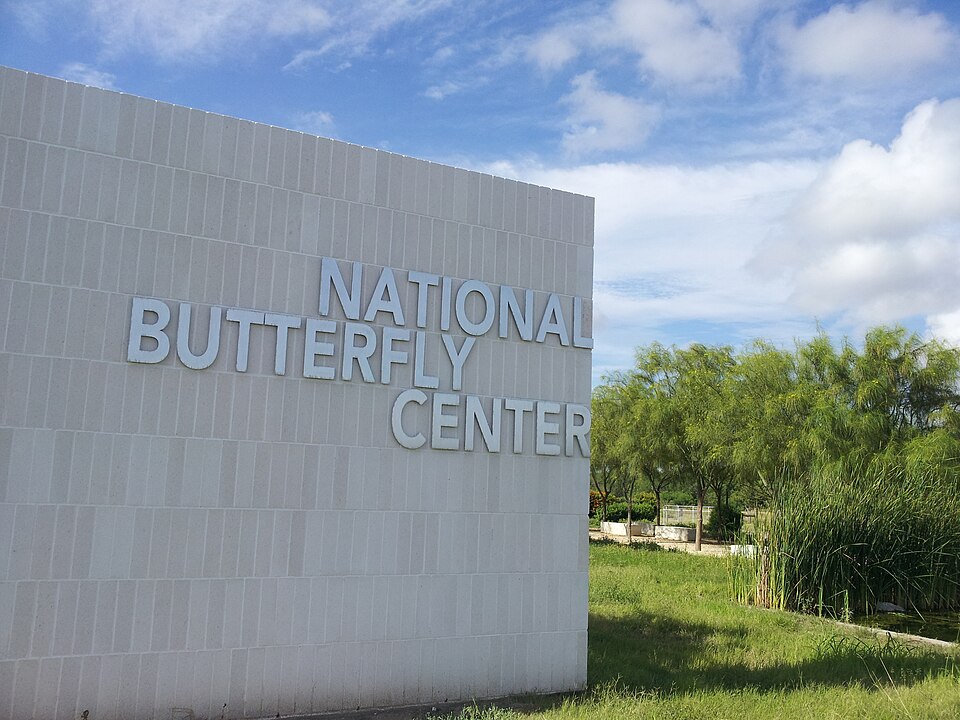
Birding and Biodiversity: Birders know southern Texas is legendary. The area sits on two major migratory flyways and has some of the highest bird diversity in the nation. The National Butterfly Center in Mission is another ecological wonder — attracting hundreds of butterfly species and pollinators thanks to the warm climate and native plantings.
Mild Winters and Health Tourism: With average lows rarely dipping below 55°F, subtropical Texas has become a popular destination for retirees and people seeking warmer climates to support health and wellness. It’s part of a larger trend toward health-driven travel, where climate, relaxation, and affordability matter more than glitz. The area’s slower pace, warm nights, and abundant sunshine are ideal for stress relief, reducing joint pain, and even managing conditions like arthritis or diabetes — which is why the region is quietly gaining a reputation as a wellness haven.
Best Times to Visit
While summers can be hot and humid, the best time to visit subtropical Texas is between October and March. The weather is balmy, wildlife viewing is at its peak, and local festivals — from Brownsville’s Latin Jazz Fest to Weslaco’s Texas Onion Festival — bring color and community pride to the streets.
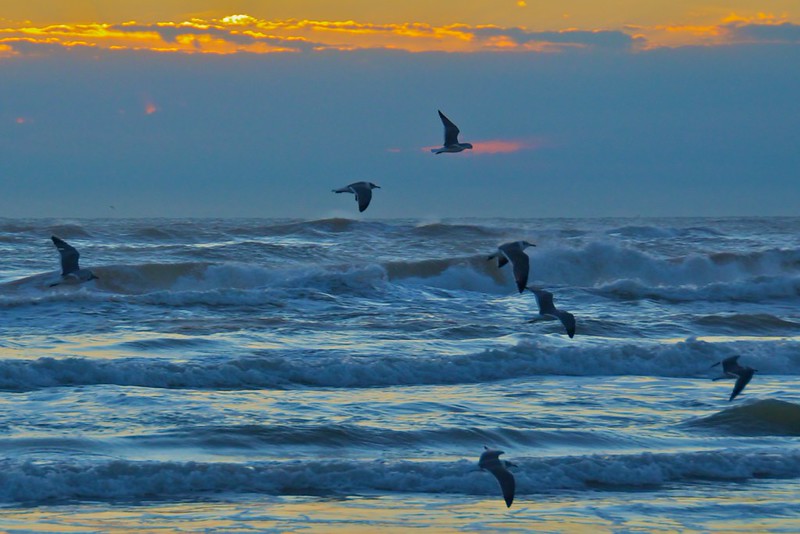
And if you’re looking for a more tranquil coastal escape, spring and fall shoulder seasons offer quieter beaches and perfect water temperatures for swimming, kayaking, and lounging under palapas.
Travel Tips and Must-Sees
- Stay in South Padre Island for beach access, dolphin tours, and nightlife. Try The Pearl or Isla Grand Beach Resort for top-notch accommodations.
- Visit Quinta Mazatlan in McAllen — a historic adobe mansion turned nature sanctuary and birding center with lush gardens and walking trails.
- Tour Gladys Porter Zoo in Brownsville, one of the top zoos in the country, featuring subtropical species and immersive habitats.
- Explore Estero Llano Grande State Park, a birder’s paradise with elevated boardwalks over wetlands and butterfly gardens.
- Don’t miss authentic border cuisine — from barbacoa tacos to mollejas (sweetbreads), local fare is rich in heritage and flavor.
Why Texas Deserves the Subtropical Spotlight
In a country brimming with warm-weather destinations, the subtropical part of Texas remains one of the most underrated — and perhaps that’s what makes it so magical. It doesn’t shout for attention. It invites you to slow down, taste something new, feel the sun on your shoulders, and hear the whispers of two cultures harmonizing in the warm coastal breeze.
For those seeking a warm-weather getaway that’s rich in culture, kind on the wallet, and teeming with natural beauty, Texas’s subtropical edge just might be your next unforgettable escape.
