

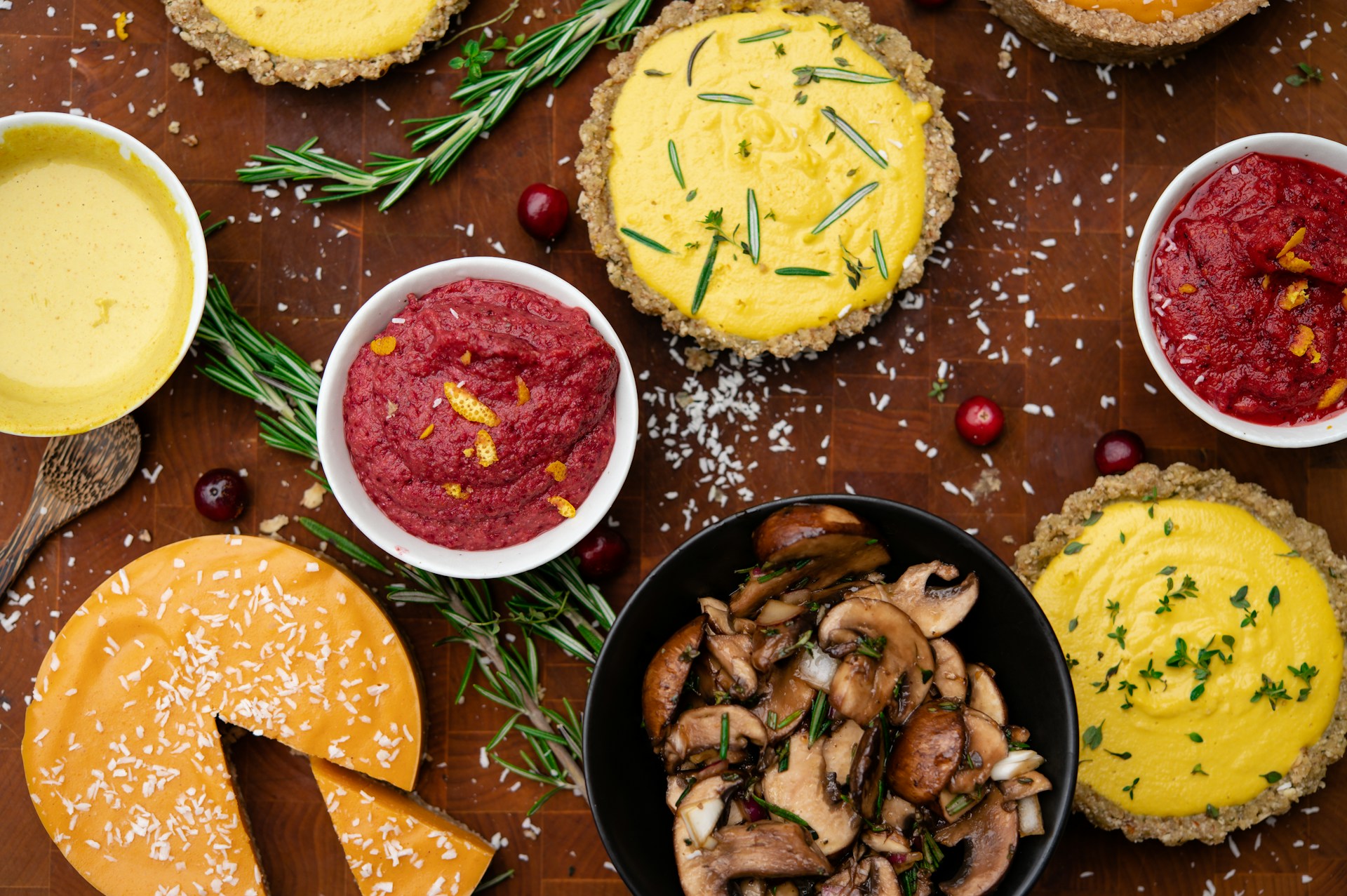
Holiday meals in Texas reflect a blend of cultures—Mexican, German, Czech, African American, Indigenous, Southern, and frontier influences.
The result is a holiday table unlike anywhere else in the country. December becomes a celebration of bold flavor, comfort food, and dishes passed down through generations. Whether you’re visiting Texas or celebrating at home, these winter food traditions help explain why locals take such pride in seasonal cuisine.
Texas’s winter dishes often revolve around gatherings. Food is shared across long tables, backyard fire pits, church halls, and community centers. Families cook together, neighbors exchange meals, and recipes become heirlooms. These traditions shape the state’s identity as much as music or landscape.
Tamales: The Heart of the Texas Holiday Season
Nothing says Texas holidays like tamales. Families hold tamaladas—multi-generational gatherings where everyone participates in making tamales by hand. Recipes vary by region: pork with red chile in South Texas, chicken with green sauce around Houston, sweet tamales with raisins or pineapple in the Valley, and specialty versions in San Antonio.
Tamales symbolize community. They take time, effort, and collaboration, making them perfect for holiday ritual.
Barbecue, But Make It Seasonal
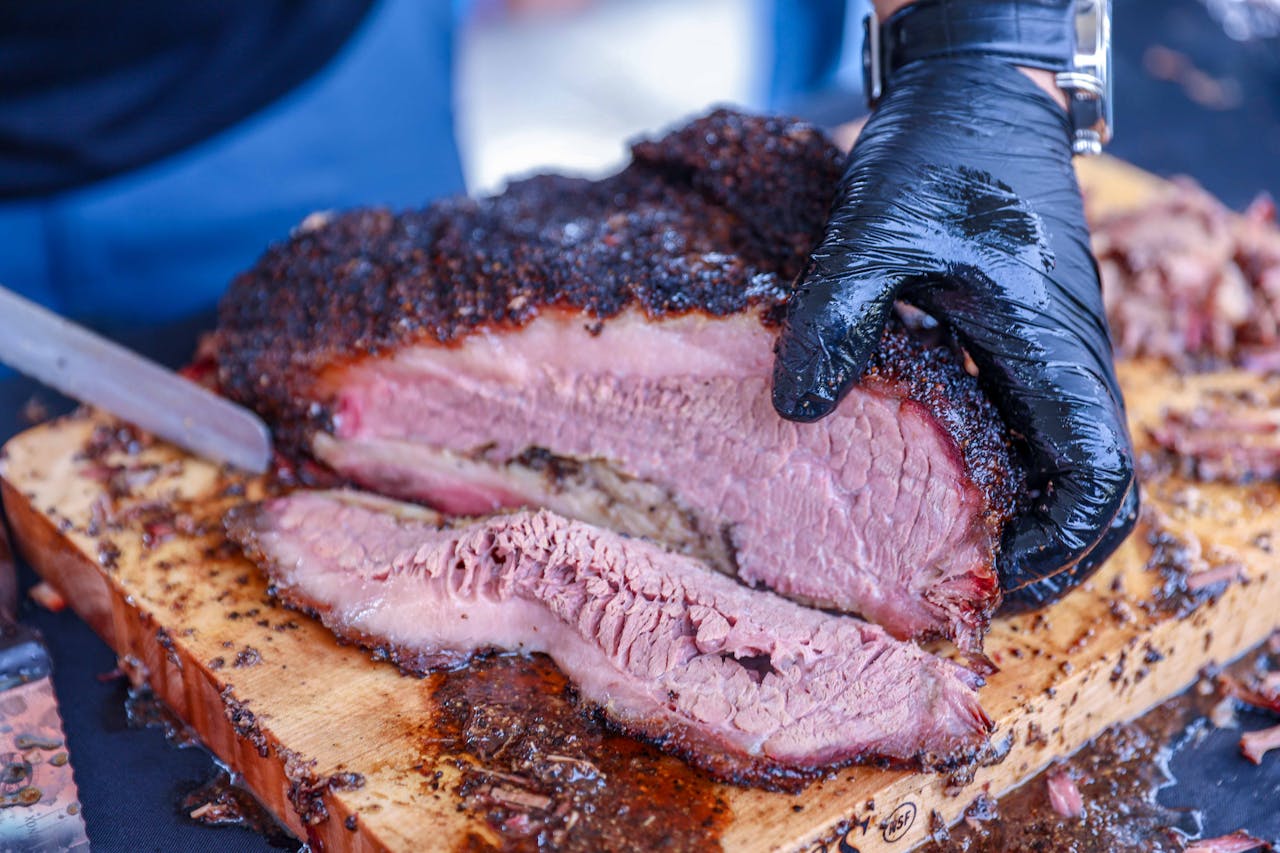
Texas barbecue continues through winter, with brisket, sausage, and ribs appearing at holiday gatherings. Some families smoke turkey or ham using oak, pecan, or mesquite, creating aromas that linger throughout the neighborhood. Sides may include jalapeño cornbread dressing, smoky green beans, or sweet potatoes with pecans.
German and Czech Holiday Breads and Pastries
In the Hill Country, German and Czech heritage remains strong. Bakeries fill December cases with stollen, kolaches, fruit-filled pastries, and poppy-seed rolls. These baked goods often appear at church events, town markets, and family brunches.
Black-Eyed Peas and Greens for New Year’s
Texas follows the Southern tradition of eating black-eyed peas on January 1 for luck. Greens represent wealth, and cornbread symbolizes prosperity. Some regions add pork for abundance. In Texas, variations include spicy peas, jalapeño cornbread, or greens flavored with smoked meats.
Coastal Christmas: Shrimp, Oysters, and Gulf Fish
Near the coast, Christmas Eve and New Year’s meals often feature seafood—shrimp boils, oyster dressing, grilled snapper, or gumbo. These dishes reflect both local waters and Creole influence.
Conchas, Buñuelos, Champurrado, and Pan Dulce
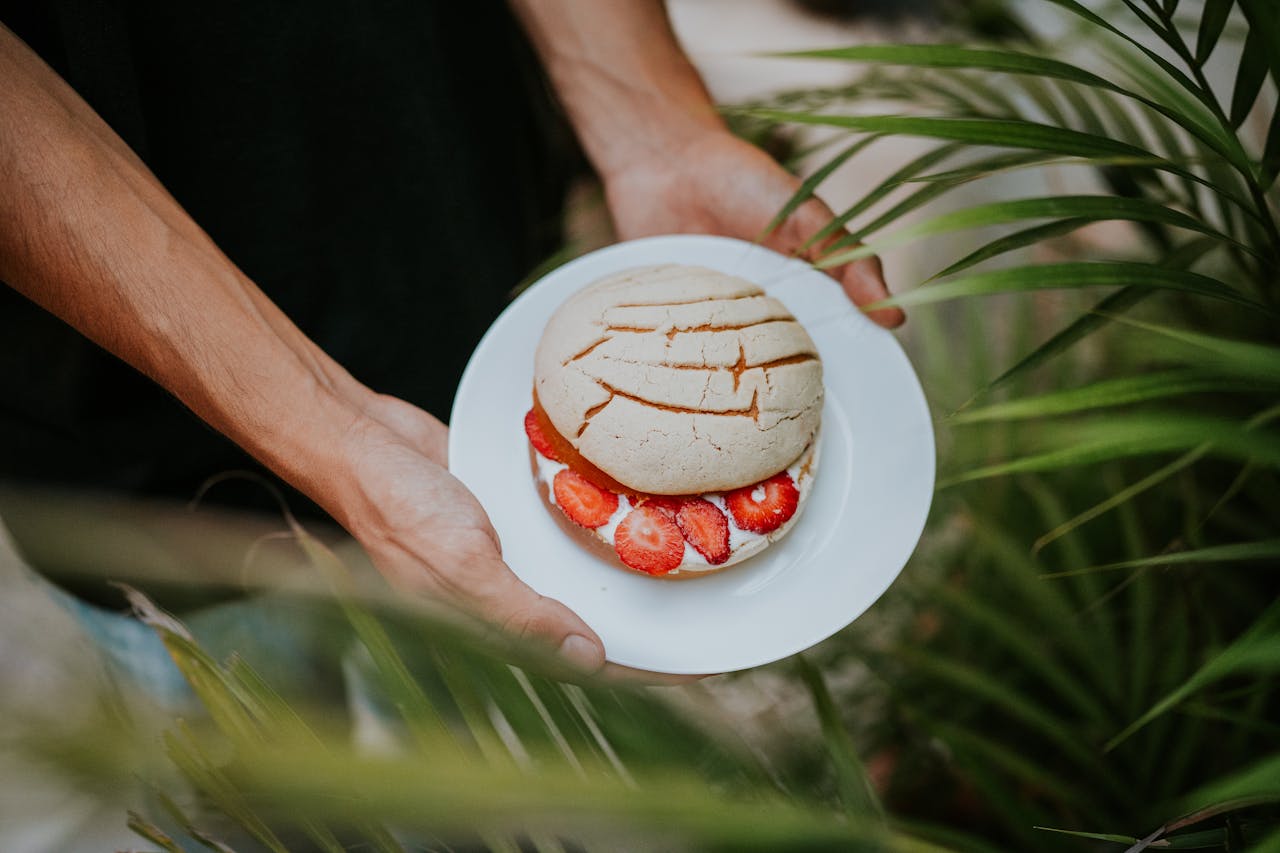
Mexican bakery traditions flourish statewide. In December, families enjoy hot chocolate thickened with masa (champurrado), cinnamon-sugar buñuelos, and conchas that accompany late-night gatherings or posadas.
Bringing it All Together
While each region brings its own flavor, the common thread across Texas holiday meals is the sense of ritual and shared experience. The foods themselves matter, but the act of preparing them—slowly, intentionally, and often with many hands involved—is what defines the season. Meals can stretch for hours, beginning with early-morning prep and ending long after the plates are cleared, with storytelling, music, and second helpings becoming part of the rhythm.
Another hallmark of Texas winter cuisine is adaptability.
Families blend traditions, swap ingredients based on what’s available, and incorporate influences from the state’s many immigrant communities. This creates a holiday table that feels both deeply rooted and constantly evolving. A household may serve kolaches beside tamales, smoked brisket next to seafood gumbo, or pan dulce alongside pecan pie. The eclectic mix isn’t accidental—it reflects the cultural interwoven history of Texas itself.
Seasonal beverages also play a major role.
Champurrado and Mexican hot chocolate warm late-night gatherings, while spiced apple cider, hibiscus punch, and atole appear during community events. In rural areas, families still make traditional mulled wines or hot wassail for large groups. These drinks become part of the sensory memory of the season: cinnamon, piloncillo, citrus, and toasted spices drifting through the air.
Desserts carry the same cultural blend. Beyond conchas and buñuelos, Texans enjoy pecan pie, sopapilla cheesecake, German butter cookies, Czech poppy-seed pastries, Texas sheet cake, and cookies flavored with anise and cinnamon. Many desserts are made in large batches for gifting—neighbors bring plates to one another, workplaces host cookie exchanges, and churches distribute holiday boxes to members.
In recent years, modern interpretations have joined the table. Some families prepare smoked turkey tamales, brisket-stuffed kolaches, chili-spiced chocolates, or vegan and gluten-free versions of classics. Food trucks and local markets introduce new twists each year, demonstrating how Texas food culture continues to innovate while honoring the past.
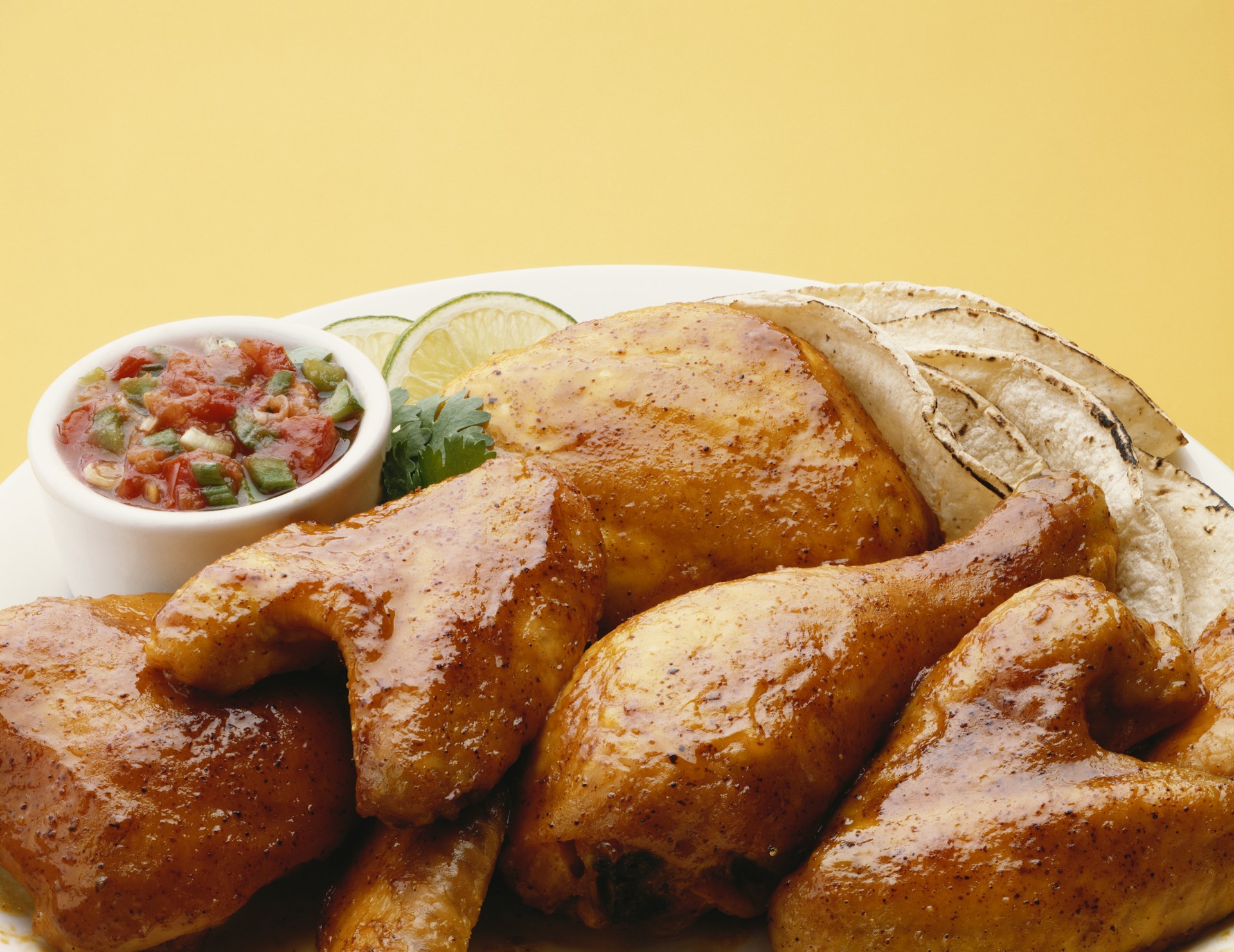
Taken together, these traditions form a holiday season that is unmistakably Texan.
Tamales embody community participation, barbecue adds a signature regional flavor, German and Czech pastries preserve immigrant heritage, seafood reflects coastal identity, and Southern New Year’s dishes tie the state to broader regional customs. Pan dulce, champurrado, and buñuelos create the sweetness that ends each festive gathering.
When you step back, the story is simple: Texas holiday cuisine is not a single menu or recipe set—it is the blending of cultures, the gathering of families, and the passing down of flavors that hold meaning. Winter in Texas is celebrated through food that connects generations, honors history, and welcomes everyone to the table.
Fast Answers
- Most iconic Texas holiday food: Tamales
- Best New Year’s dish: Black-eyed peas
- Best for coastal regions: Seafood boils
- Best pastries: German/Czech holiday breads and kolaches
- Why Texas traditions stand out: Cultural blending + deep community roots
