

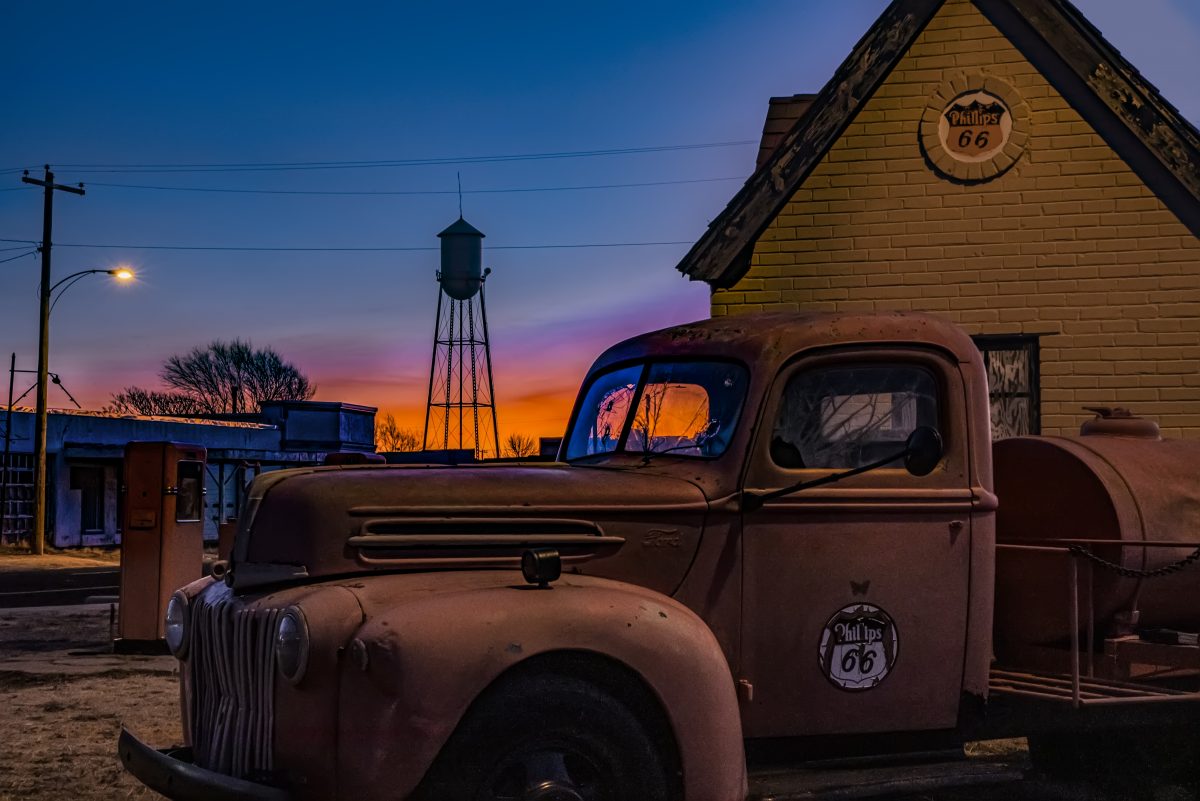
In the Texas Panhandle, history, Americana, and quirky roadside charm converge in the Amarillo Route 66 Historic District.
This one-mile stretch along Sixth Avenue is a living time capsule of the “Mother Road’s” glory days, packed with antique shops, neon signs, diners, and art that celebrate the golden era of cross-country travel.
Whether you’re a history buff, a vintage collector, or simply someone who loves the romantic notion of hitting the open road, Amarillo’s Route 66 district delivers a one-of-a-kind experience.
While Route 66 officially ceased to exist as a U.S. highway in 1985, Amarillo’s section remains a thriving attraction. It’s part of the official Texas Route 66 Historic Corridor, recognized for its architectural and cultural significance. You’ll find 12 blocks lined with preserved and repurposed buildings from the 1920s through the 1950s, many of which house local businesses that keep the Route 66 spirit alive.
Here are the top must-see attractions that make this district worth a summer road trip.
Cadillac Ranch
While not located directly within the Historic District, Cadillac Ranch is Amarillo’s most iconic Route 66 stop — and it’s a short drive from downtown. Created in 1974 by the art collective Ant Farm, this roadside installation features 10 Cadillac cars buried nose-first in a field, their tailfins jutting toward the sky. Over the years, visitors have turned the cars into a constantly evolving canvas of spray-painted art. Bring your own paint (or buy a can from vendors nearby) and add your touch to this living monument to both American car culture and the irreverent spirit of Route 66.
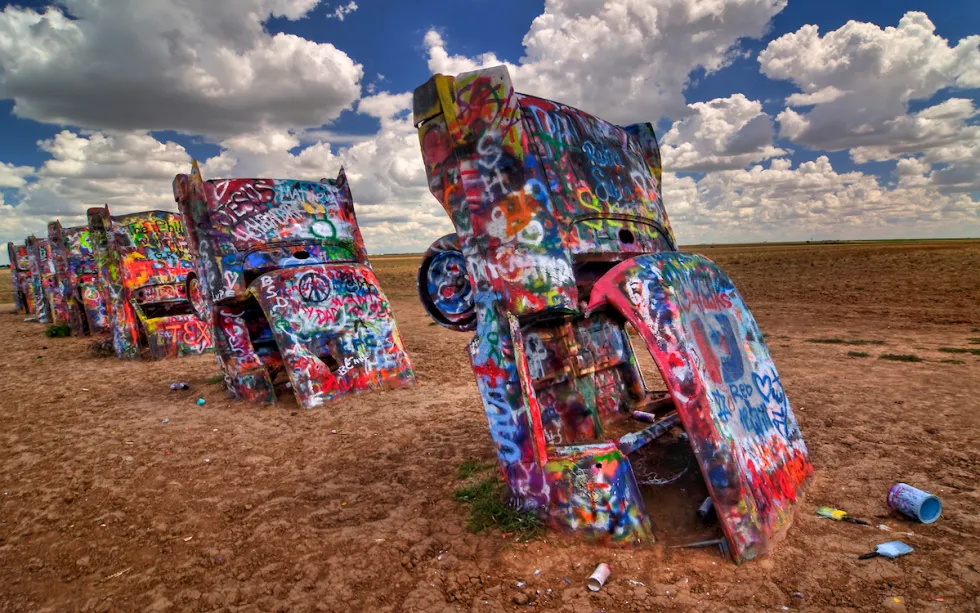
Summer is a great time to visit Cadillac Ranch, especially in the early morning or evening when the Panhandle sky creates dramatic backdrops for photos. And since it’s free and open to the public year-round, it’s an easy addition to your Amarillo Route 66 itinerary.
The Big Texan Steak Ranch
If you’re traveling Route 66 in Amarillo, a stop at the Big Texan Steak Ranch is practically mandatory. This kitschy, cowboy-themed restaurant and motel gained fame for its 72-ounce steak challenge — eat the steak, shrimp cocktail, salad, roll, and potato in under an hour, and it’s free. Whether you’re up for the challenge or just want a hearty Texas meal, the Big Texan offers an unforgettable dining experience.
Beyond the food, the Big Texan captures the roadside entertainment vibe that made Route 66 famous. There’s live music, souvenir shopping, and even a shooting gallery. The neon signs out front are classic Route 66 eye candy, especially when lit up after dark.
Sixth Street Antique Shops and Boutiques
The heart of the Route 66 Historic District is its eclectic mix of antique stores, vintage boutiques, and locally owned shops. Each building along this stretch has its own history, many with preserved façades that give you a sense of what the street looked like in the mid-20th century.
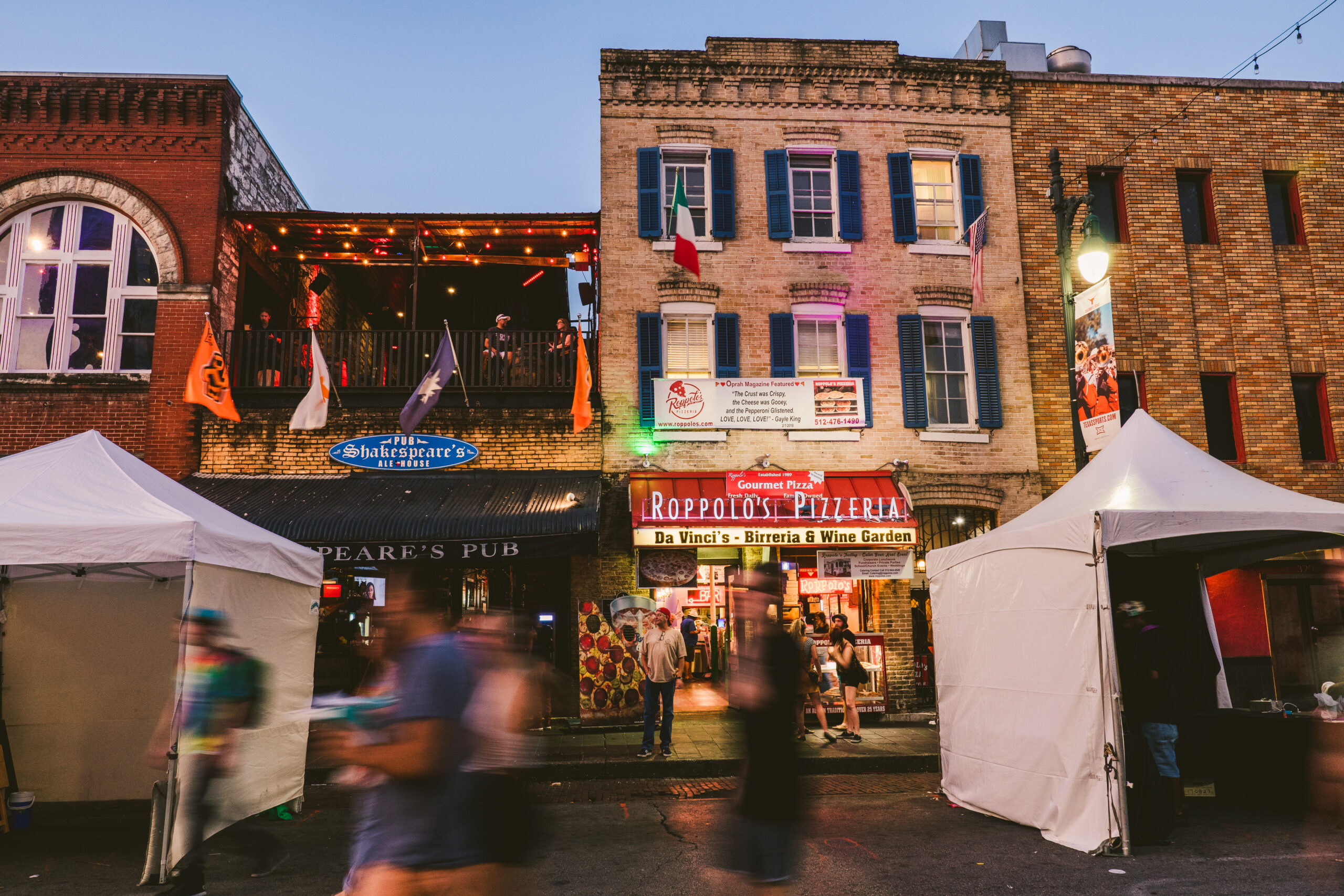
Shops like 6th Street Antique Mall offer everything from mid-century furniture to vintage road signs, while smaller boutiques sell handmade crafts, jewelry, and art by Texas makers. Even if you’re not in the market for souvenirs, browsing these stores is like stepping into a curated museum of Americana.
GoldenLight Café & Cantina
Dating back to 1946, the GoldenLight Café & Cantina is one of Amarillo’s oldest operating restaurants and a landmark on Route 66. Famous for its burgers and live music, the café retains much of its original charm, with neon signage and a laid-back atmosphere that feels straight out of a bygone era.
On weekend nights, the Cantina side of the building hosts live bands, making it a popular hangout for both locals and travelers. If you want a taste of Amarillo’s music scene while soaking up Route 66 history, GoldenLight is the spot.
The Nat Ballroom
Known locally as “The Nat,” this former 1920s swimming pool turned ballroom is now home to an antique mall with dozens of vendors. While it’s primarily a shopping destination today, its history as a dance hall in the big band era adds a layer of nostalgia. The building’s distinctive arched roof and vintage sign make it a standout along Sixth Avenue.
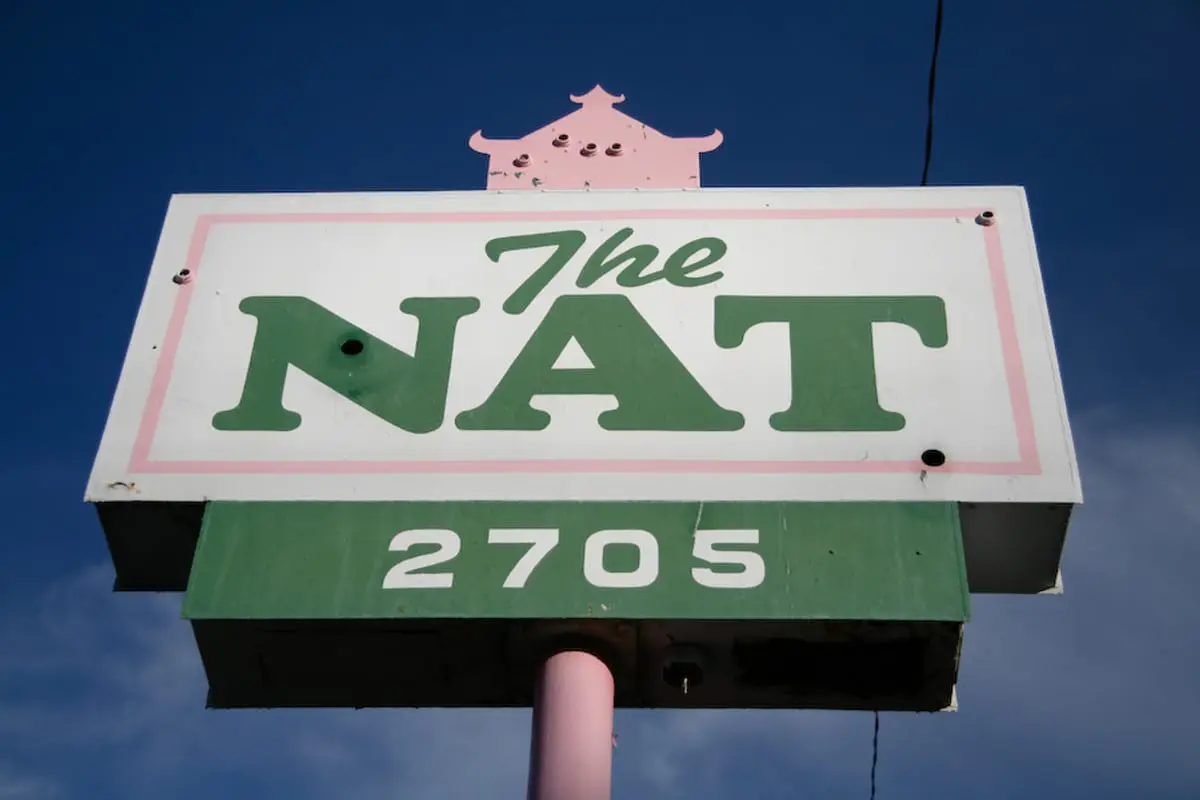
Inside, you’ll find everything from retro clothing to rare vinyl records, making it a must-stop for collectors and history lovers alike.
Historic Architecture
One of the joys of walking Amarillo’s Route 66 district is the architecture itself. Many buildings still sport their original brickwork, Art Deco details, or neon marquees. The district includes examples of Spanish Revival, Streamline Moderne, and Mid-century Modern styles — all preserved thanks to local efforts and historic designation.
Keep an eye out for restored service stations, motels, and diners, each telling its own story about the golden years of highway travel. The district is a photographer’s dream, especially during the golden hour when the sunlight enhances the colors and textures of these vintage facades.
Route 66-Specific Events and Festivals
If your trip coincides with one of Amarillo’s Route 66 celebrations, you’re in for an even richer experience. Events like the Route 66 Celebration bring car shows, live music, and street vendors to Sixth Avenue, turning the historic district into an open-air festival of classic Americana.
Car enthusiasts will appreciate the restored hot rods and motorcycles lining the street, while food trucks and local artisans add to the festive atmosphere. It’s a great opportunity to meet fellow travelers and locals who share a passion for Route 66’s legacy.
Texas Air & Space Museum and American Quarter Horse Hall of Fame (Nearby)
While not on Sixth Avenue, these two attractions are close enough to fold into your Amarillo visit. The Texas Air & Space Museum showcases aircraft and aviation history with a hands-on approach, while the American Quarter Horse Hall of Fame & Museum celebrates the state’s official horse breed. Both are less than a 15-minute drive from the Historic District and add depth to a Route 66-themed itinerary.

Public Art and Murals
Amarillo’s Route 66 district is dotted with murals celebrating both the road’s history and the culture of the Texas Panhandle. Some depict vintage cars and diners, while others highlight regional themes like cowboy culture and wide-open landscapes.
Artists from around the state contribute to these works, making the district not only a historic site but also a living art gallery. For an Instagram-worthy shot, look for the large “Greetings from Amarillo” mural — a colorful homage to the city’s heritage.
Check Out: Houston Adventures with Kids: Museums, Parks, and Giant Giraffes
Local Eats Beyond the Icons
While the Big Texan and GoldenLight are the most famous eateries, Sixth Avenue has several other local dining gems worth trying. Smokey Joe’s Café serves up hearty comfort food in a biker-friendly atmosphere, while Bracero’s offers Tex-Mex dishes that hit the spot after a day of exploring. Many of these restaurants feature patio seating, perfect for people-watching along the busy historic strip.
Tips for Visiting Route 66 in Texas
Parking: Street parking is plentiful, but during festivals, you may need to park a few blocks away.
Comfort: Wear comfortable shoes — you’ll want to explore the full stretch on foot.
Links and Maps: Use the Amarillo Route 66 Association site for a map of key stops and historical info.
Check Out: Museums, Parks & Hidden Stories: These are Sugar Land’s Cultural Sweet Spots
Why It’s Worth the Trip
Amarillo’s Route 66 Historic District isn’t a static museum — it’s a living, breathing slice of Americana. You can browse antiques in a 1930s gas station, listen to live music in a 1940s café, and chat with shop owners who are as passionate about preserving Route 66’s spirit as they are about running their businesses.
It’s a place where the past and present collide in the best way possible, offering travelers a tangible connection to the road that once connected Chicago to Santa Monica. For anyone exploring Texas, especially in summer, this district is more than just a stop — it’s a destination in itself.
