


Texas doesn’t do anything halfway, and that includes its national parks.
From desert canyons to limestone caverns, from subtropical beaches to ancient fossil beds, the Lone Star State holds some of the most surprising and diverse landscapes in America.
Visiting these parks is less about ticking a box and more about stepping into an experience — one that smells of mesquite smoke, tastes of salt air, and echoes with the calls of wild birds across canyons. Whether you’re a seasoned adventurer or just want to stretch your legs on a short trail, these parks deliver scenery and stories worth the miles.
Big Bend National Park
There’s something almost mythic about Big Bend National Park. Tucked into the curve of the Rio Grande in far West Texas, it’s as remote as it is jaw-dropping. Picture rust-red cliffs tumbling into winding rivers, desert landscapes broken by sudden bursts of wildflowers, and starry skies so brilliant they earned the park an International Dark Sky designation. For many Texans, Big Bend is a rite of passage — a place you drive hours to reach, and then wonder why you didn’t come sooner.
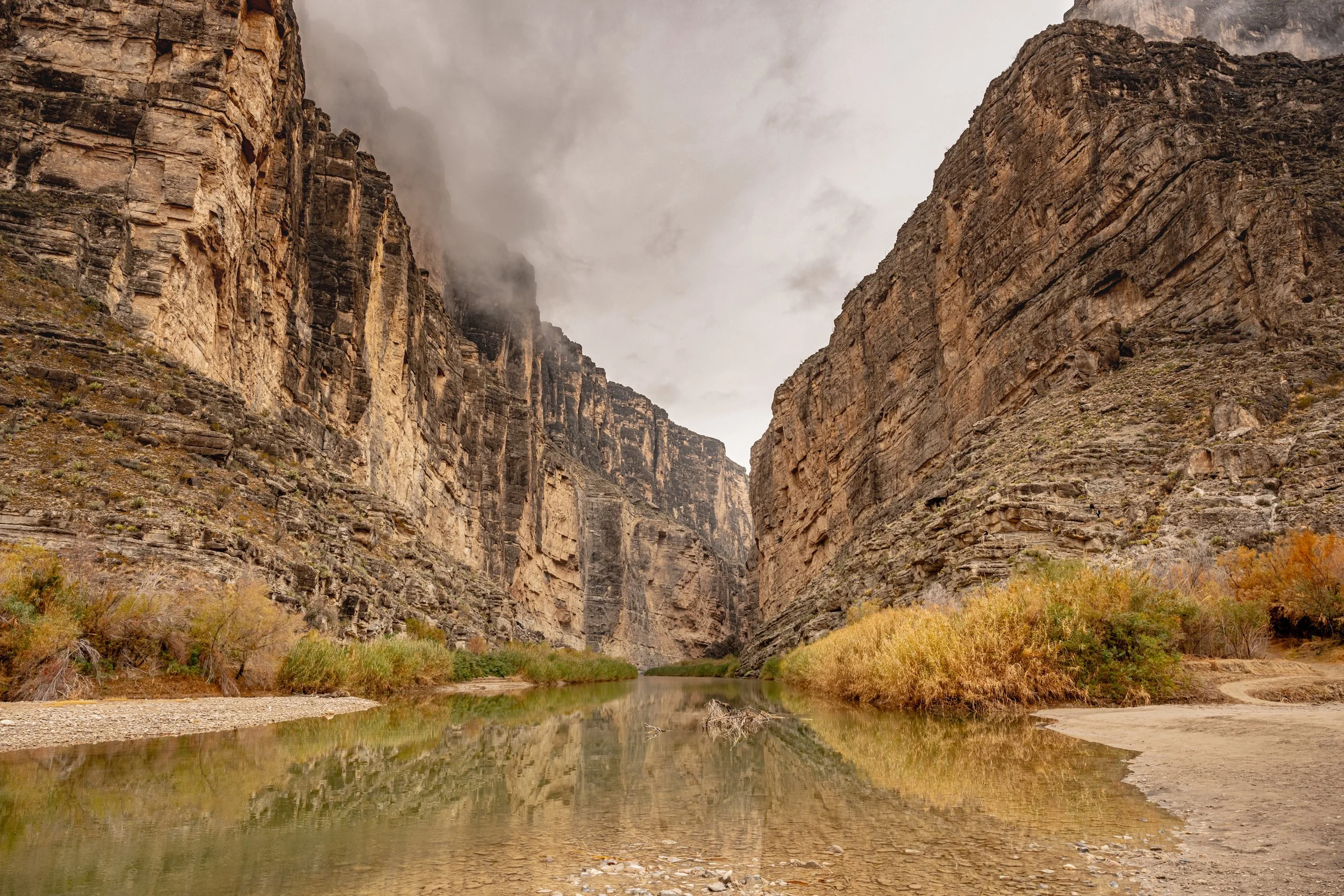
Hiking here feels cinematic. The Santa Elena Canyon Trail takes you into a sheer-walled gorge carved by the Rio Grande, while the Lost Mine Trail leads you up into the Chisos Mountains with views that stop you in your tracks. Wildlife is part of the magic too — you might spot roadrunners darting across the desert, javelinas snuffling near campsites, or even the occasional black bear wandering through the higher elevations. And when the sun sets, you’ll realize that in Big Bend, the sky is as much the attraction as the land.
Guadalupe Mountains National Park
If Big Bend is about wide-open drama, Guadalupe Mountains National Park is about elevation and endurance. Here you’ll find the highest peak in Texas — Guadalupe Peak, topping out at 8,751 feet — along with an ancient fossil reef that once sat under a shallow sea. The result is a rugged playground for hikers who crave steep switchbacks, windswept ridges, and views that stretch across West Texas into New Mexico.
The trails are tough but rewarding. Hiking the Devil’s Hall Trail takes you through a narrow canyon with natural rock staircases, while McKittrick Canyon bursts into brilliant color every fall with its maples and oaks. Birders love it here too, as the park is a migration hotspot. Camping under the stars, you feel the pull of a landscape that has stood for 250 million years — a reminder that Texas is more than highways and cities; it’s geologic history under your boots.
Check Out: Bird Species Unique to Texas (and Where to See Them)
San Antonio Missions National Historical Park
Not all national parks are about mountains and rivers. San Antonio Missions National Historical Park preserves four Spanish colonial missions built in the 1700s, each one a blend of European architecture and indigenous craftsmanship. Together with the Alamo (managed separately), these missions make up the only UNESCO World Heritage Site in Texas.
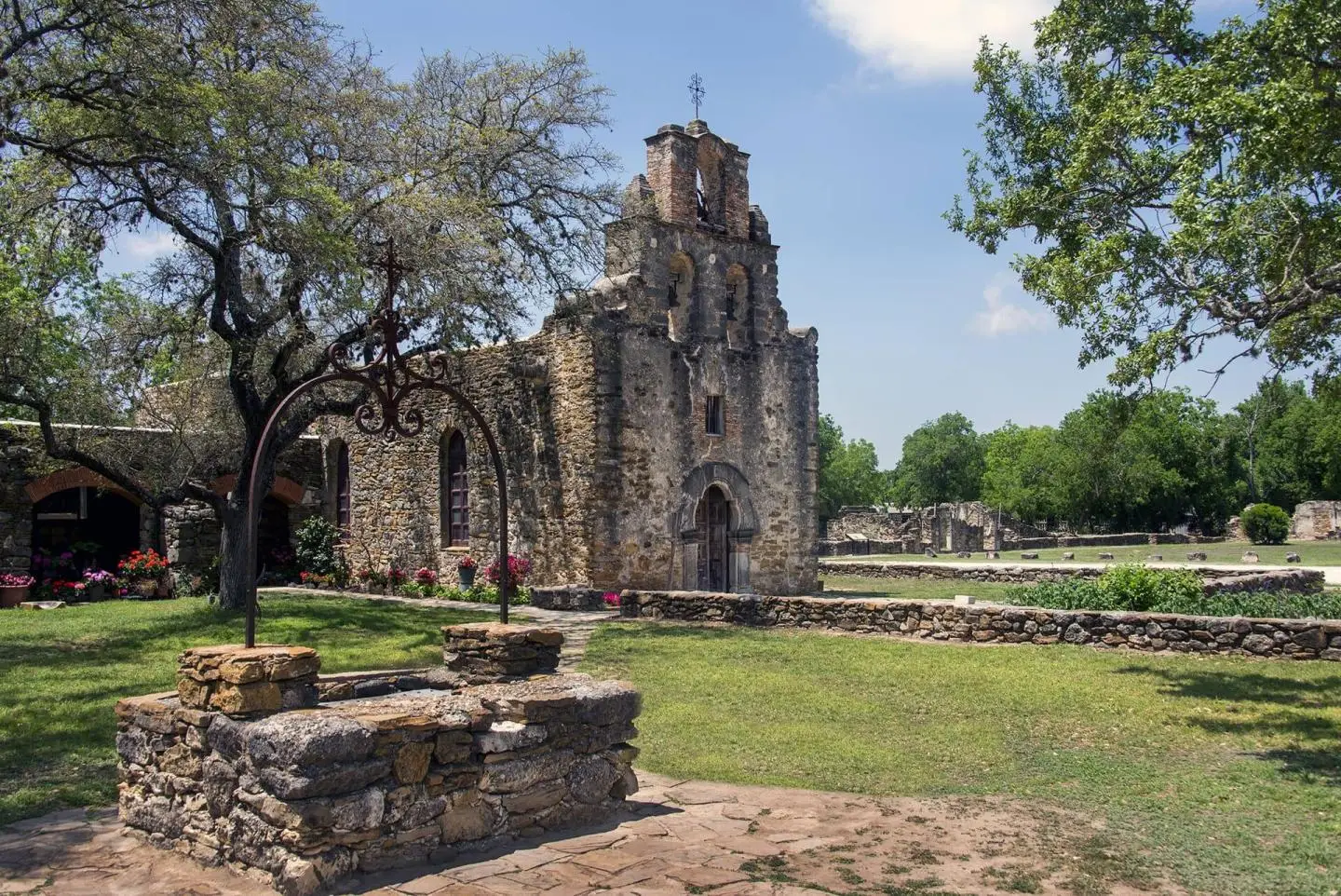
Exploring them feels like stepping into a living story.
Mission San José, known as the “Queen of the Missions,” stuns with its ornate stonework and iconic Rose Window. Mission Concepción has some of the oldest unrestored stone church interiors in the U.S., while Mission San Juan and Mission Espada highlight the agricultural and community life of the era. You can bike or walk between the missions along an eight-mile trail following the San Antonio River, soaking up both history and the easy rhythm of the city.
Padre Island National Seashore
Drive a few hours south and you’ll find yourself in another world at Padre Island National Seashore. Stretching for 66 miles, it’s the longest undeveloped barrier island in the world. Here, the Gulf of Mexico meets dune-backed beaches, tidal flats, and grasslands that provide refuge for more than 380 bird species. It’s a paradise for anyone who craves salt air and wide horizons.
Padre Island is famous for its sea turtle releases, where visitors can watch baby Kemp’s ridley turtles make their way into the surf during summer.
The park is also a prime spot for camping right on the sand, fishing from the shore, or kayaking the Laguna Madre, one of the world’s saltiest lagoons. Sunrise here feels like a clean slate — the horizon painted in pastels, the only soundtrack the crash of waves and the chatter of gulls overhead.
Check Out: The Best Fishing Lakes in Texas Near Popular Towns
Palo Alto Battlefield National Historical Park
History buffs will want to detour south to Palo Alto Battlefield National Historical Park, near Brownsville. This site preserves the field where the first major battle of the U.S.-Mexican War took place in 1846. Walking the trails, you can almost hear the clashing armies and imagine the international consequences that unfolded from this windswept prairie.
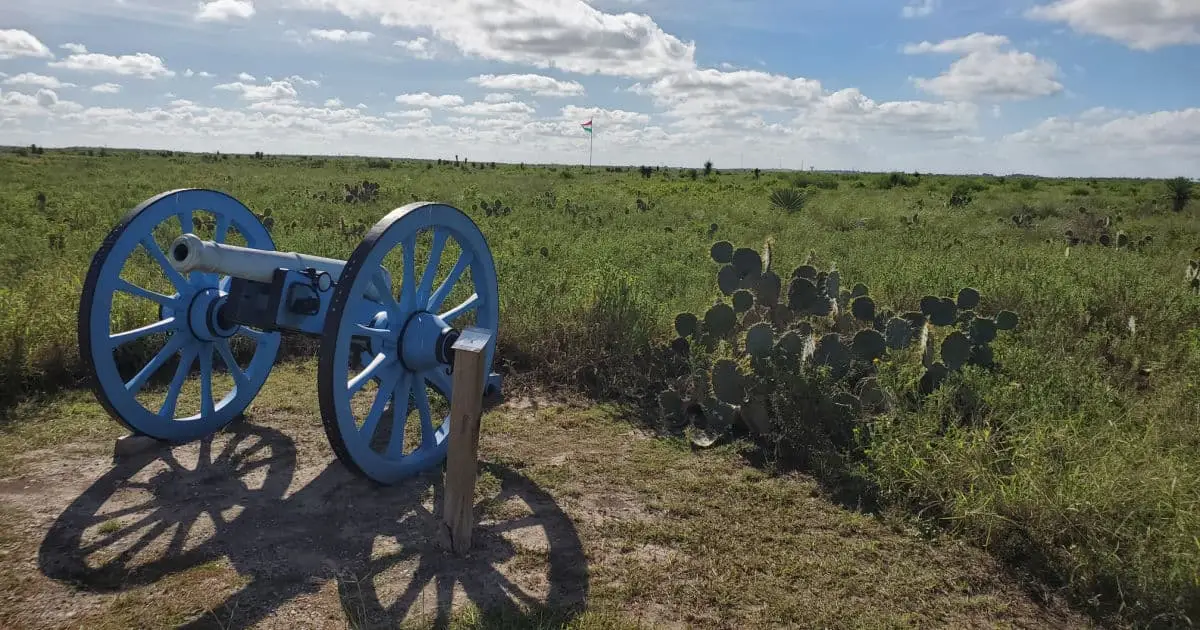
Interpretive signs and a visitor center bring context to the landscape, but it’s the stillness of the battlefield itself that leaves an impression. Wildflowers dot the grasses, hawks circle overhead, and the quiet makes it hard to imagine the chaos that erupted here nearly two centuries ago. It’s a reminder that Texas isn’t just about natural beauty — it’s also where history has been written in dramatic strokes.
Waco Mammoth National Monument
Sometimes, the most surprising discoveries happen close to home. Waco Mammoth National Monument preserves the remains of Columbian mammoths that roamed Texas during the Ice Age. Discovered in 1978, the site has revealed at least 24 mammoths, along with camels, saber-toothed cats, and other prehistoric creatures that once wandered the region.
The dig shelter lets you view the fossils in place, still embedded in the earth, which makes the experience feel raw and authentic. Guided tours add depth, explaining how these animals lived and why they perished in what scientists believe was a sudden flood. For families, it’s an especially engaging stop, blending science, history, and a sense of awe at the deep past that lies beneath modern Texas soil.
Why Texas National Parks Belong on Your List
What ties all of these parks together is the sense of discovery. Each one reveals a different facet of Texas — the desert vastness of Big Bend, the sky-high climbs of the Guadalupes, the cultural richness of San Antonio, the wild beaches of Padre, the echoes of history at Palo Alto, and the prehistoric secrets of Waco.
Together, they prove that Texas is as diverse as any state in the country, a place where every road trip can lead to something extraordinary.
