

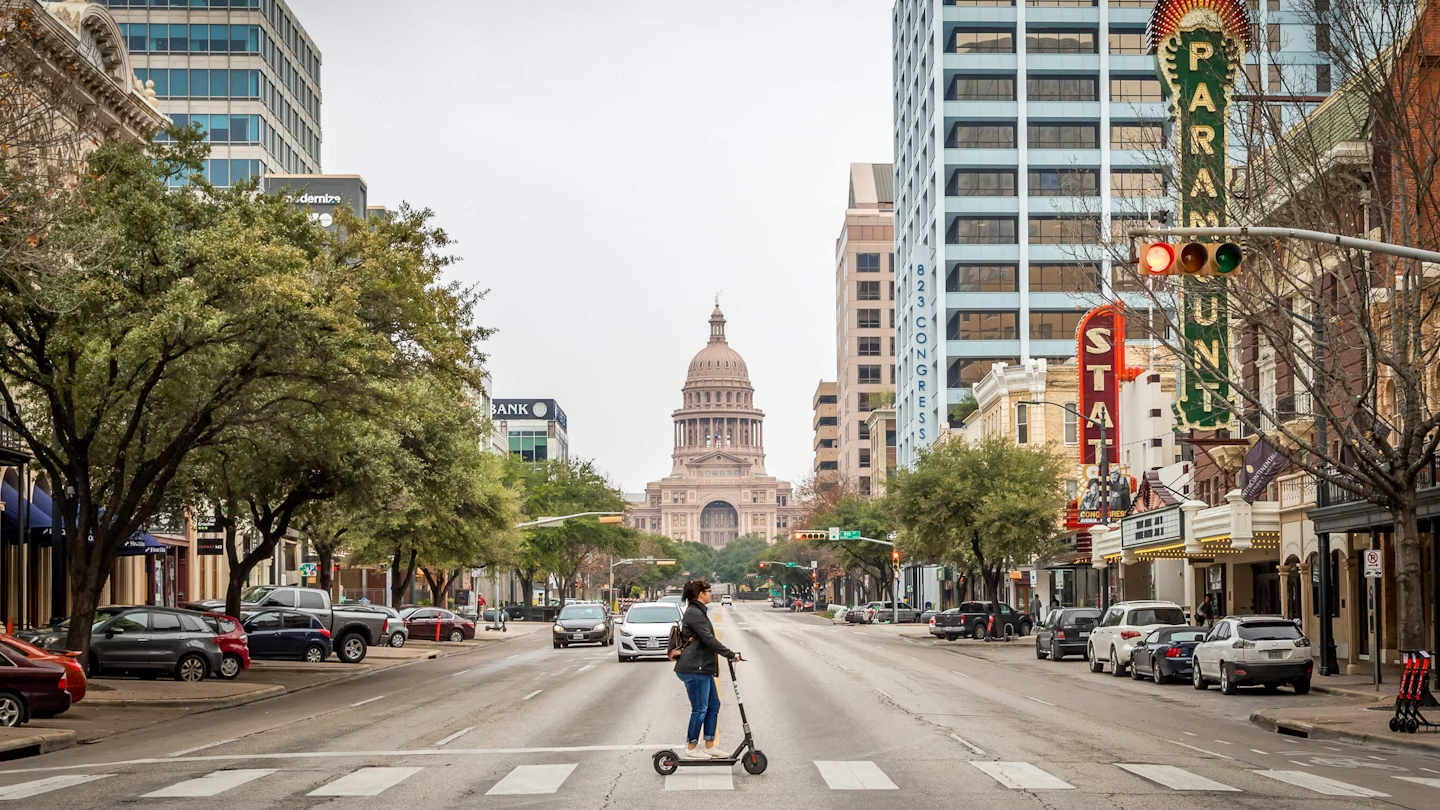
A decade ago, Austin was still considered a well-kept secret — a quirky, creative haven tucked between the hills and highways of Central Texas.
People came here for the music, the tacos, the tech jobs, or simply the sense that it was a city where things were happening, but not too fast. In 2014, you could still find parking on South Congress, afford a bungalow in East Austin, and stumble into a backyard concert that felt like it might change your life.
Fast forward ten years, and Austin is now one of the fastest-growing cities in America, a boomtown in every sense of the word. It’s bigger, richer, and more visible on the global stage — but also more crowded, more expensive, and, according to many longtime residents, less “weird.”
So what’s really changed? Here are five ways Austin has transformed in the past decade — the good, the bad, and the downright ugly.
1. The Skyline Has Exploded — And So Have the Prices
In 2014, The Austonian tower still dominated the downtown skyline. Today, it’s been dwarfed by a wave of luxury high-rises, cranes dotting the horizon from Rainey Street to the riverfront. Buildings like The Independent (“The Jenga Tower”), 6th and Guadalupe, and Waterline have permanently changed the city’s visual identity, replacing low-slung warehouses and parking lots with glass towers and rooftop pools.
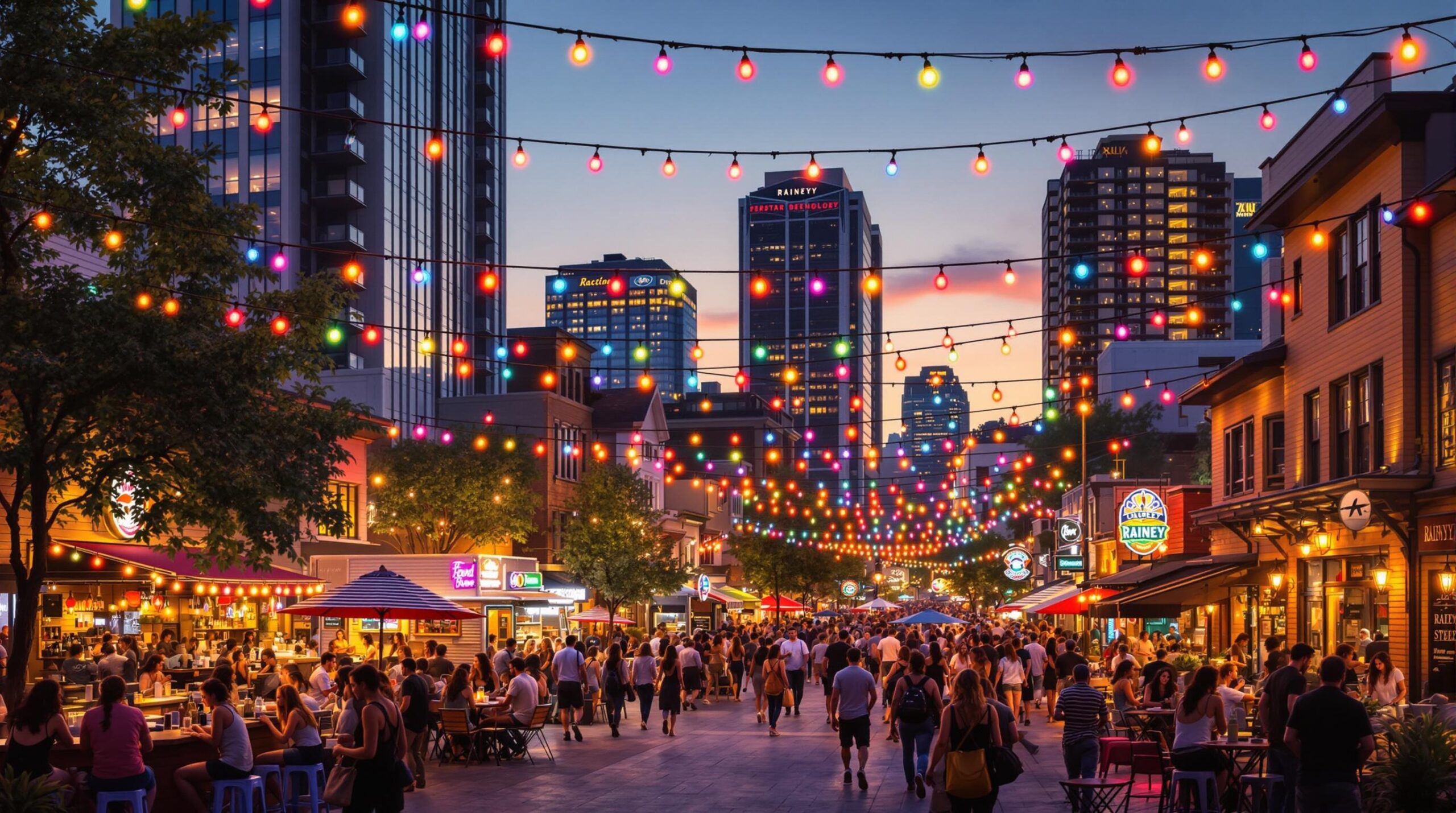
This vertical growth has brought new life — and deep-pocketed investors — into the city. It’s also driven a dramatic rise in housing prices. What was once an affordable alternative to San Francisco or New York is now competing with them on cost. Median home prices in Austin have more than doubled in ten years. The influx of tech companies, including the massive Tesla Gigafactory and a growing Apple campus, has drawn thousands of new residents, further tightening the real estate market.
For longtime Austinites, the change feels disorienting. Neighborhoods once defined by their laid-back charm and affordability are now flanked by gated condos and luxury apartments. The cost of living has become a constant topic of conversation, especially for artists, teachers, service workers, and musicians who once defined the city’s culture.
2. The Tech Invasion Is Real — And It’s Redefining the Culture
Austin was always a tech town, but it used to wear that badge lightly. Dell was the local giant, and South by Southwest (SXSW) offered a glimpse into the future of innovation each spring. But in the last decade, Austin has gone from quirky startup hub to full-blown tech capital.
In addition to Tesla, major expansions by Google, Meta, Amazon, and Oracle (which relocated its headquarters here) have transformed Austin’s job market — and its cultural landscape. Thousands of new tech workers have arrived, many from the Bay Area or Seattle, bringing with them different tastes, expectations, and economic power.

On one hand, this has boosted the city’s economy, attracting new restaurants, art spaces, and civic investment. On the other hand, it’s contributed to a sense of cultural displacement. The term “Silicon Hills” is now used both proudly and sarcastically, depending on who you ask. Dive bars have given way to cocktail lounges. Local boutiques are squeezed between Lululemon and Sweetgreen. It’s still Austin, but it’s Austin filtered through a West Coast lens.
3. Traffic Is Worse — But Transit Is Still Catching Up
If you lived in Austin a decade ago, you probably remember when getting across town took 20 minutes, even during rush hour. Today, that feels like a fairy tale. The city’s infrastructure has struggled to keep pace with its explosive growth. I-35, already infamous for its congestion, is often gridlocked from early morning to late evening. Side streets in once-quiet neighborhoods are now backed up with ride-share drivers and delivery vans.
Project Connect, the city’s ambitious light rail and transit expansion plan, has been in development for years but remains mired in delays and budget debates. Meanwhile, public transportation options are still limited, particularly for anyone living outside the urban core. Biking and scooter infrastructure have improved slightly, but safety concerns remain — especially in the summer heat.
The traffic problem isn’t just an inconvenience. It’s changing how people live. More Austinites are working remotely or moving further out to the suburbs in search of space and affordability, creating longer commutes and a deeper divide between the city center and its periphery.
4. The Cultural Scene Is Still Thriving — But It’s Evolving
Despite all the change, Austin’s creative heart still beats. Live music is still everywhere — at coffee shops, on patios, at ACL and SXSW. The food scene is more diverse than ever, with global cuisines taking root alongside iconic BBQ and taco joints. Film, comedy, and literature continue to thrive, bolstered by festivals and a steady flow of new talent.
But the cultural landscape has undeniably shifted.
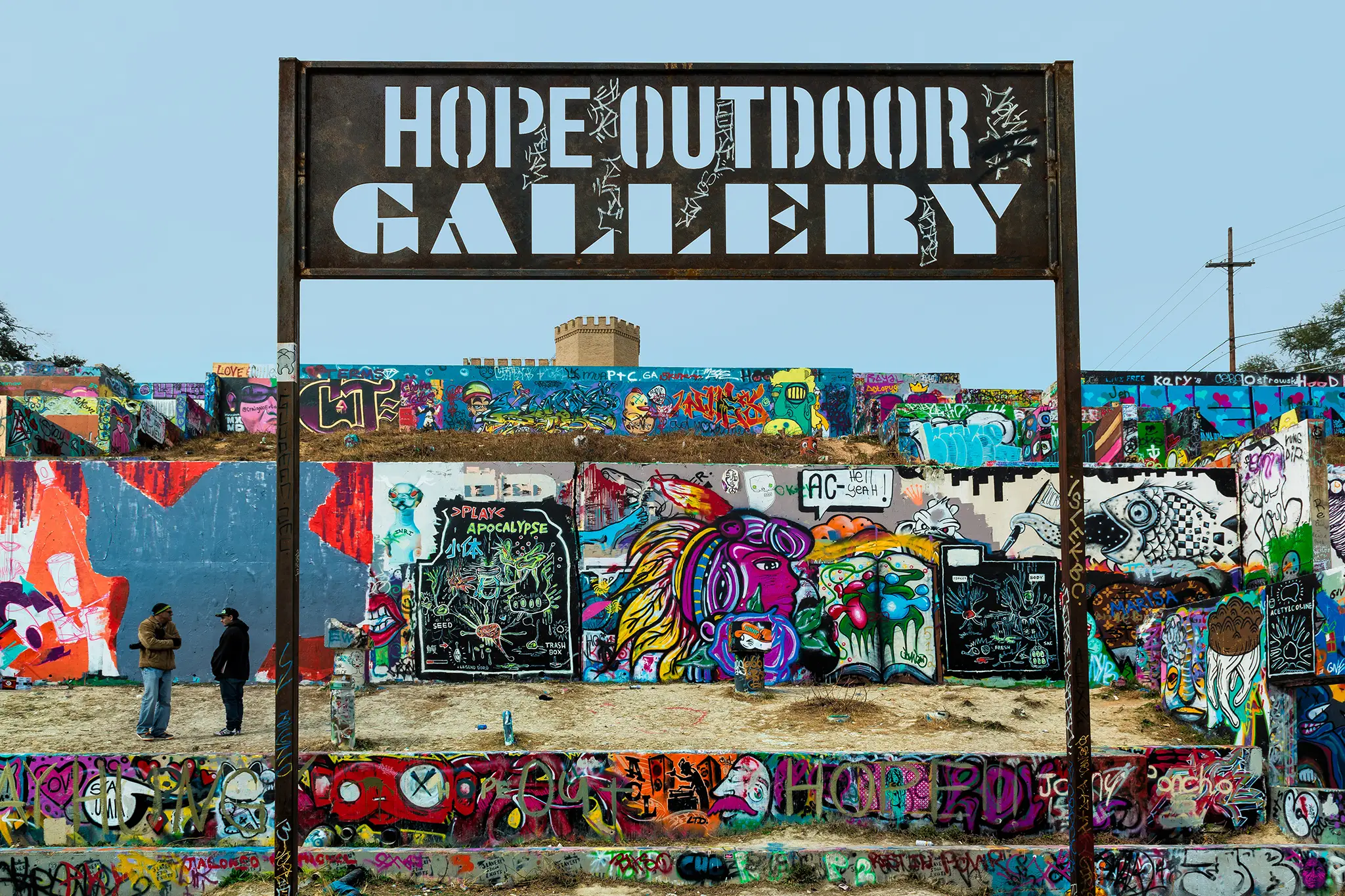
Rising rents have pushed many artists and musicians out of the city center. Institutions like the HOPE Outdoor Gallery, Threadgill’s, and even the beloved Alamo Drafthouse Ritz have closed or been forced to relocate. The cost of doing something experimental — opening a gallery, hosting a DIY show, starting a new publication — is higher now.
That said, a new wave of creativity is emerging in places like Manor, Pflugerville, and East Riverside, where artists are rebuilding community outside the traditional downtown arts scene. Austin’s culture isn’t dead — it’s just adapting, expanding, and in some ways, decentralizing.
5. The Soul of Austin Is Under Debate
Perhaps the biggest change isn’t physical or economic — it’s emotional.
Ask ten different Austinites what the city feels like today versus ten years ago, and you’ll get ten different answers. Some will tell you it’s never been more exciting, more connected, or more full of possibility. Others will say it’s lost its soul, its weirdness, its charm.
There’s truth in both views.
Austin is no longer the sleepy, artsy college town it once was. It’s louder, faster, richer. It’s a city now being marketed globally, with influencers posing in front of murals and new residents discovering it through TikTok reels and real estate blogs. But beneath the buzz and branding, Austin’s essence still lingers — in its greenbelts, in its dive bars, in its fiercely local farmers markets, and in the people who still say y’all without irony.
The question isn’t whether Austin has changed. It’s whether the city can evolve without losing the values that made it special — community, creativity, inclusiveness, and a healthy dose of irreverence.
Austin has always reinvented itself, from hippie haven to live music capital to tech powerhouse. The next decade will test whether it can hold onto its soul while continuing to grow. For better or worse, the whole country is watching. And moving here.
