

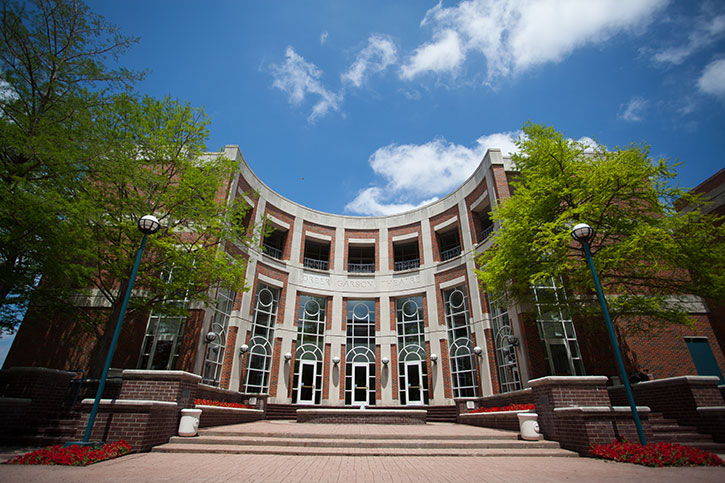
For decades, the conversation about America’s top film schools has been a coastal duel: USC in Los Angeles vs. NYU in New York.
But quietly — and then not so quietly — Texas has entered the frame. Not just as a budget-friendly filming location or a tax incentive state, but as a training ground where the next wave of filmmakers is getting serious about the craft.
With its blend of academic rigor, cultural diversity, indie spirit, and real-world access to growing production hubs, Texas now offers film students something few other states can: a launchpad that’s close to the work and far from the crushing debt that often comes with a big-name diploma.
So, which schools are leading the charge? And why are more students — from across the country — choosing to study film in Texas?
UT Austin: A Flagship with Hollywood Cred
The undisputed heavyweight in the state is the University of Texas at Austin, where the Moody College of Communication houses one of the most respected film programs in the country. Consistently ranked among the top 10 U.S. film schools by The Hollywood Reporter and Variety, UT’s Department of Radio-Television-Film offers everything from screenwriting and directing to cinematography and digital media — plus a Ph.D. program for those going deep on media studies.
Also read: 8 Celebrities Who Moved to Texas — and Why
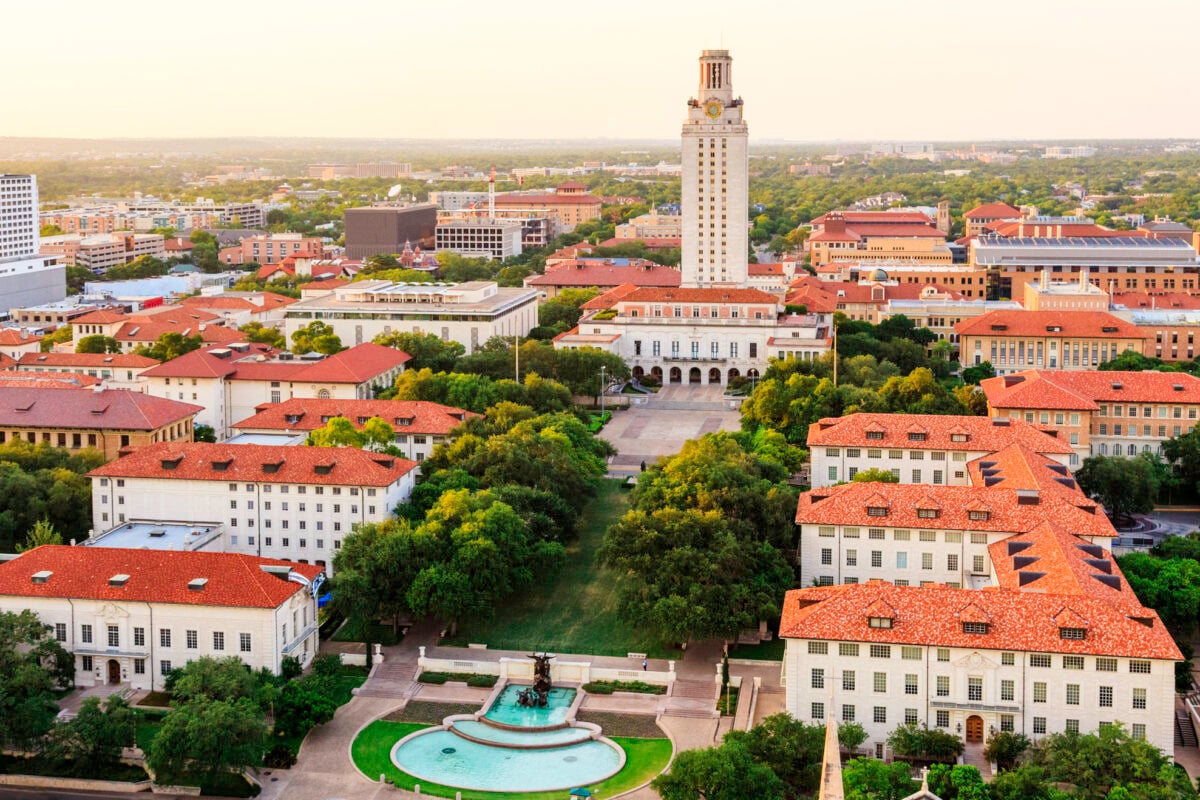
What really sets UT apart is access. The school sits just minutes from Austin’s creative core — home to SXSW, Richard Linklater’s Austin Film Society, and a growing commercial production scene. Students don’t just study film here; they intern on actual sets, staff real post houses, and premiere projects in front of live festival audiences.
The alumni roster reads like a micro-history of modern indie cinema: Linklater (Boyhood), Wes Anderson (The Grand Budapest Hotel), and Tobe Hooper (The Texas Chain Saw Massacre). For students dreaming of a Sundance premiere or an A24 pitch meeting, UT is a serious first step.
SMU: Big Ideas in a Boutique Package
In Dallas, Southern Methodist University’s Meadows School of the Arts takes a slightly different approach — smaller cohorts, individualized mentorship, and a cross-training philosophy that blends storytelling with business and ethics. SMU students aren’t just learning how to operate a camera or light a scene; they’re being prepared for the professional ecosystem that surrounds a working filmmaker.
Its location near Dallas’ advertising and media sectors means students get hands-on experience in commercial production early — an area that often leads to reliable freelance work post-grad. And while it’s not as massive or industry-famous as UT, SMU’s alumni network is well-represented in writers’ rooms, editing bays, and producing offices across LA and beyond.
UNT: For the Indie-Minded
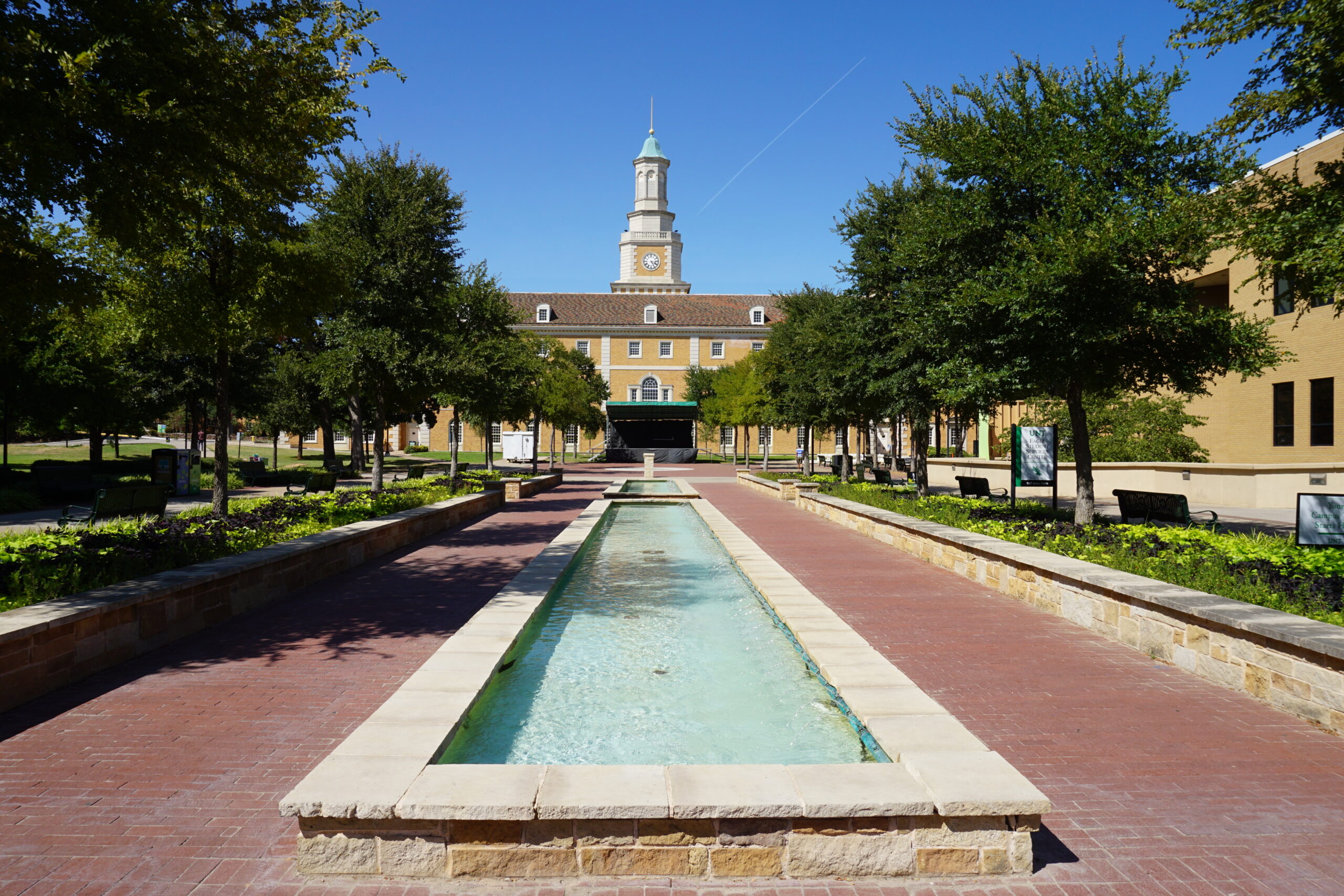
With a strong production studio (CFTV), access to a growing Dallas-area media scene, and programs at both the undergraduate and master’s levels, UNT is ideal for students who want to push boundaries — or just make something that wouldn’t get greenlit anywhere else.
Texas State: Small School, Big Opportunity
Further south, nestled between Austin and San Antonio, Texas State University is a quieter player in the film school conversation — but that’s changing fast. The Department of Theatre and Dance is home to a growing film emphasis that capitalizes on the school’s location between two of Texas’ most vibrant creative hubs.
Students here get a solid foundation in performance, storytelling, and documentary work. And because of its intimate size, Texas State offers closer access to faculty and opportunities for real collaboration across disciplines — especially with theater and writing students. It’s not trying to be USC, and that’s its strength.
Houston Community College: Hands-On, Debt-Light
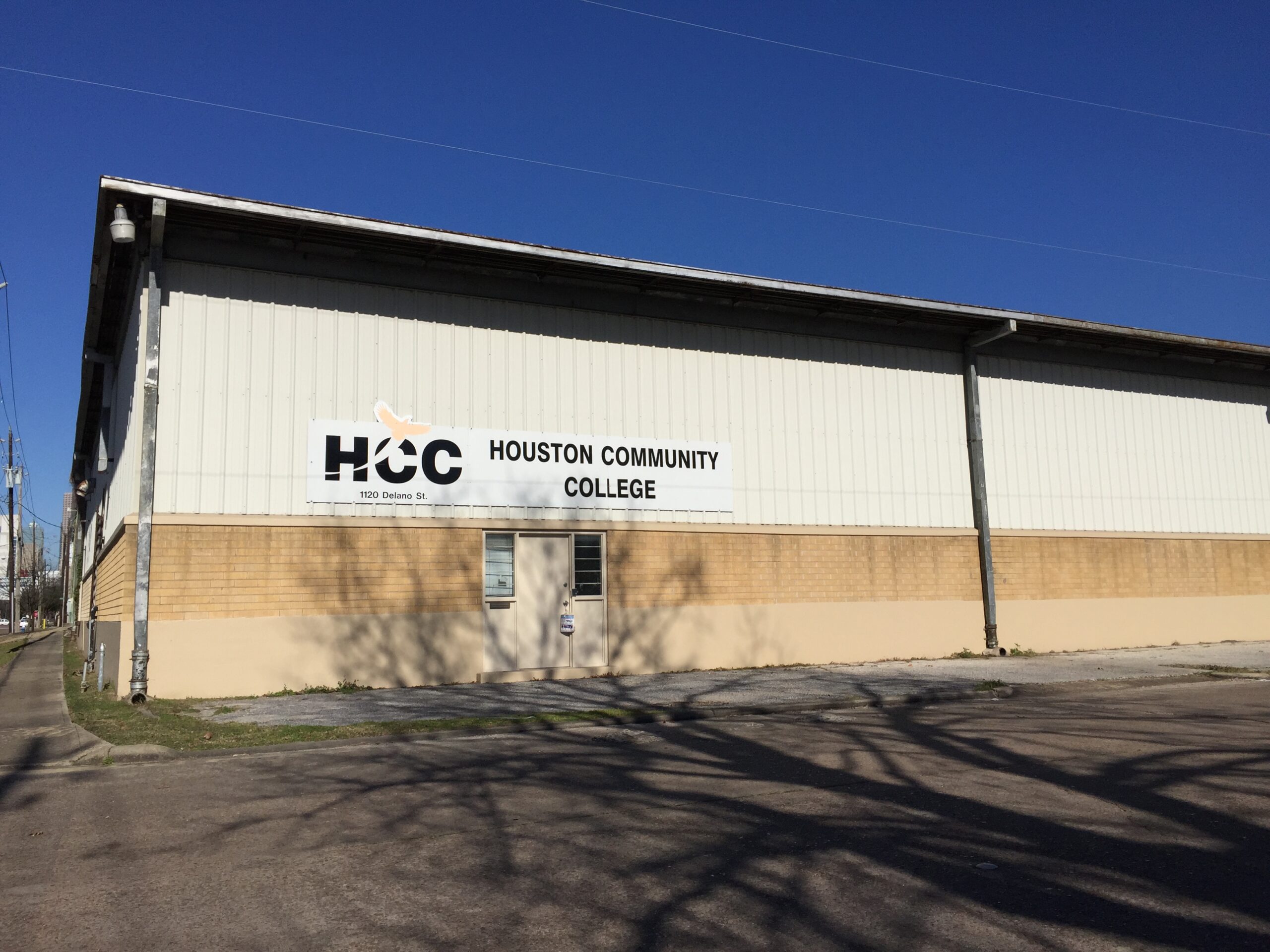
For aspiring filmmakers who don’t want — or can’t afford — a four-year program, Houston Community College has quietly built one of the most practical filmmaking pipelines in the state. The HCC Filmmaking Program offers associate degrees and certificates in production, post-production, and cinematography.
With strong ties to local production companies and Houston’s media market, HCC gives students the chance to get on real sets without drowning in loans. It’s a no-frills, all-function option that serves working adults, career-changers, and young creators equally well.
Also read: Every Cruise Line Sailing Out of Galveston
Other Notables
Rice University in Houston offers a film studies track that’s more academic — ideal for those pairing theory with practice. Baylor University in Waco emphasizes ethics and values-driven storytelling, especially for students seeking a faith-based creative lens. And Texas A&M–Commerce has carved out a niche for documentary and digital media training in a small but focused program.
Why Film Students Are Choosing Texas
It’s not just about tuition. Students are coming to Texas for the same reasons producers are shooting here:
Affordability. Rent, food, and transportation are cheaper than LA or NYC. That alone stretches scholarships and financial aid further.
Incentives. The Texas Film Commission continues to boost grants and funding, creating more job opportunities for graduates and internships for current students.
Diversity. With rich cultural scenes in Austin, Houston, San Antonio, and Dallas, students gain perspective — and storytelling fuel — that reflects real-world America.
Festivals. Between SXSW, Fantastic Fest, the Dallas International Film Festival, and others, students don’t just watch films — they debut them.
A New Kind of Launchpad
Texas may not unseat USC or NYU anytime soon. But it’s not trying to be them. It’s carving its own path — one that prioritizes real-world access, manageable debt, and creative authenticity.
For students looking to learn the ropes without mortgaging their future, or for those who want to build something bold outside of the bi-coastal circuit, Texas has become one of the smartest bets in American film education.
