

Los Angeles may still be king, but Texas is staking its claim as the film industry’s most versatile supporting actor.
With its desert backdrops, bustling cities, small-town Americana, and subtropical coastlines, Texas has quietly become one of the most geographically diverse states for filmmaking in the country. As production costs rise and incentive programs shift, more crews are heading south — or more precisely, everywhere across Texas.
The activity centers aren’t confined to one city. Instead, Texas functions as a network of regional film hubs, each with its own visual identity, infrastructure, and production DNA. Whether you’re shooting a stylized Western, an intimate indie drama, or a commercial spot, chances are Texas has a town, a block, or a field that fits.
Austin
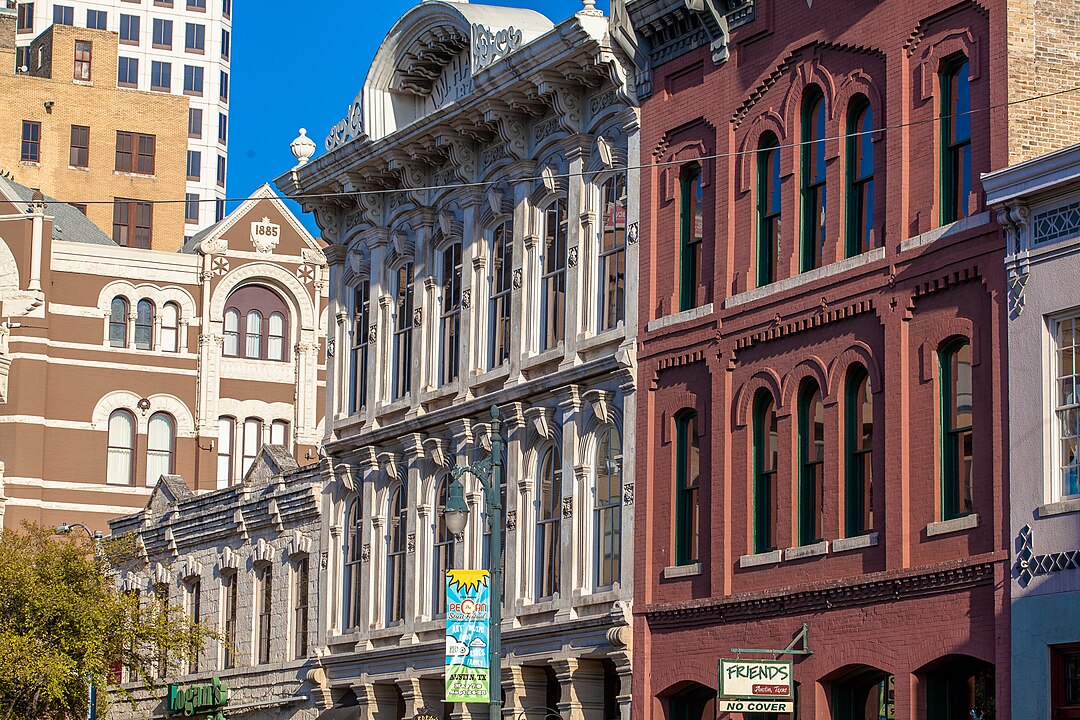
Austin remains the gravitational center of the state’s film culture. Known for its indie spirit and tech-forward ecosystem, the city hosts the Austin Film Society, founded by Richard Linklater, which operates the 20-acre Austin Studios campus with soundstages, production offices, and mill space. It’s been a launchpad for films like Spy Kids, Boyhood, and The Leftovers, and continues to serve as a talent magnet. Each March, the city transforms during SXSW, where indie debuts and studio films share screens with panels, pitch sessions, and the kind of informal networking that launches careers.
The city’s collaborative energy, access to crew, and music-meets-film culture make it a go-to for directors looking to blend storytelling with edge.
Dallas
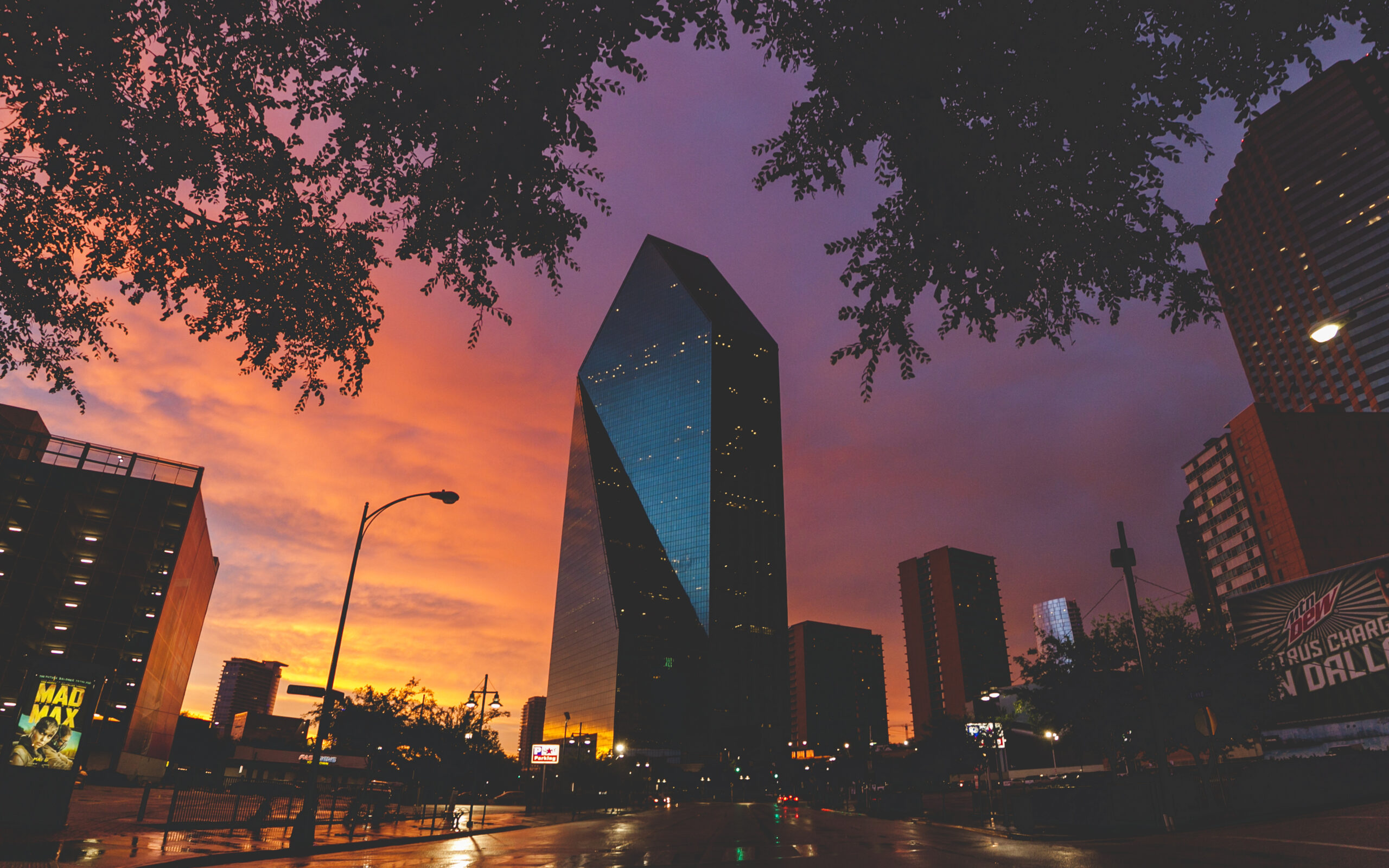
Dallas–Fort Worth offers a completely different kind of power.
With a commercial production engine fed by dozens of Fortune 500 headquarters, DFW is where corporate content, television, and branded storytelling thrive. Studios like South Side Studios and multiple private facilities cater to fast-turnaround shoots, while the area’s urban grid allows for quick doubles of other American cities. Taylor Sheridan has been instrumental in expanding the region’s narrative presence, using North Texas locations in productions like 1883 and 12 Mighty Orphans. The Dallas International Film Festival reinforces the city’s cinematic identity and keeps it connected to the wider indie ecosystem.
Check Out: The Best Fishing Lakes in Texas Near Popular Towns
Houston
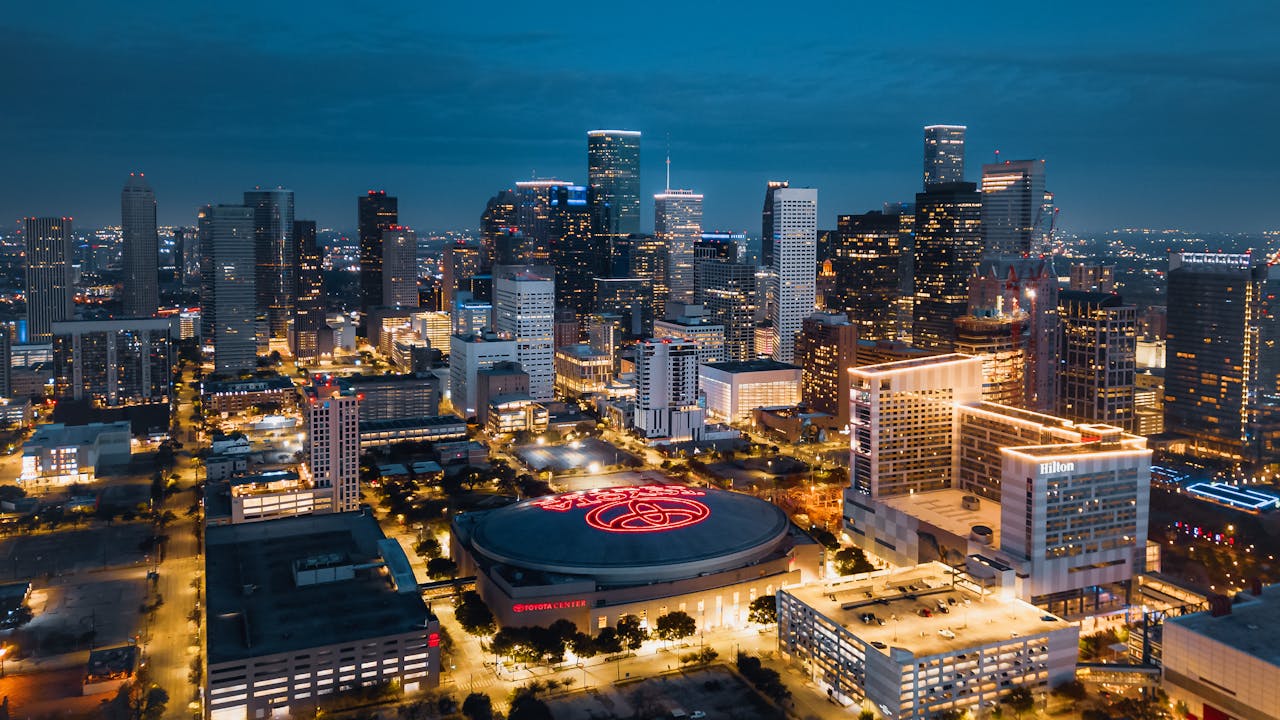
Often overlooked in film conversations, Houston has been steadily growing its indie cred. The city’s sprawling scale and cultural diversity make it an ideal backdrop for filmmakers seeking visual variety without leaving the metro area. Skyscrapers, shipping channels, suburbia, and Gulf Coast marshes can all be found within a 30-minute drive.
Events like the Houston Cinema Arts Festival showcase experimental and documentary work, while local institutions like Rice University and Houston Community College are developing the next generation of homegrown filmmakers. Houston may not have massive stage space, but its indie infrastructure and production flexibility are on the rise.
San Antonio
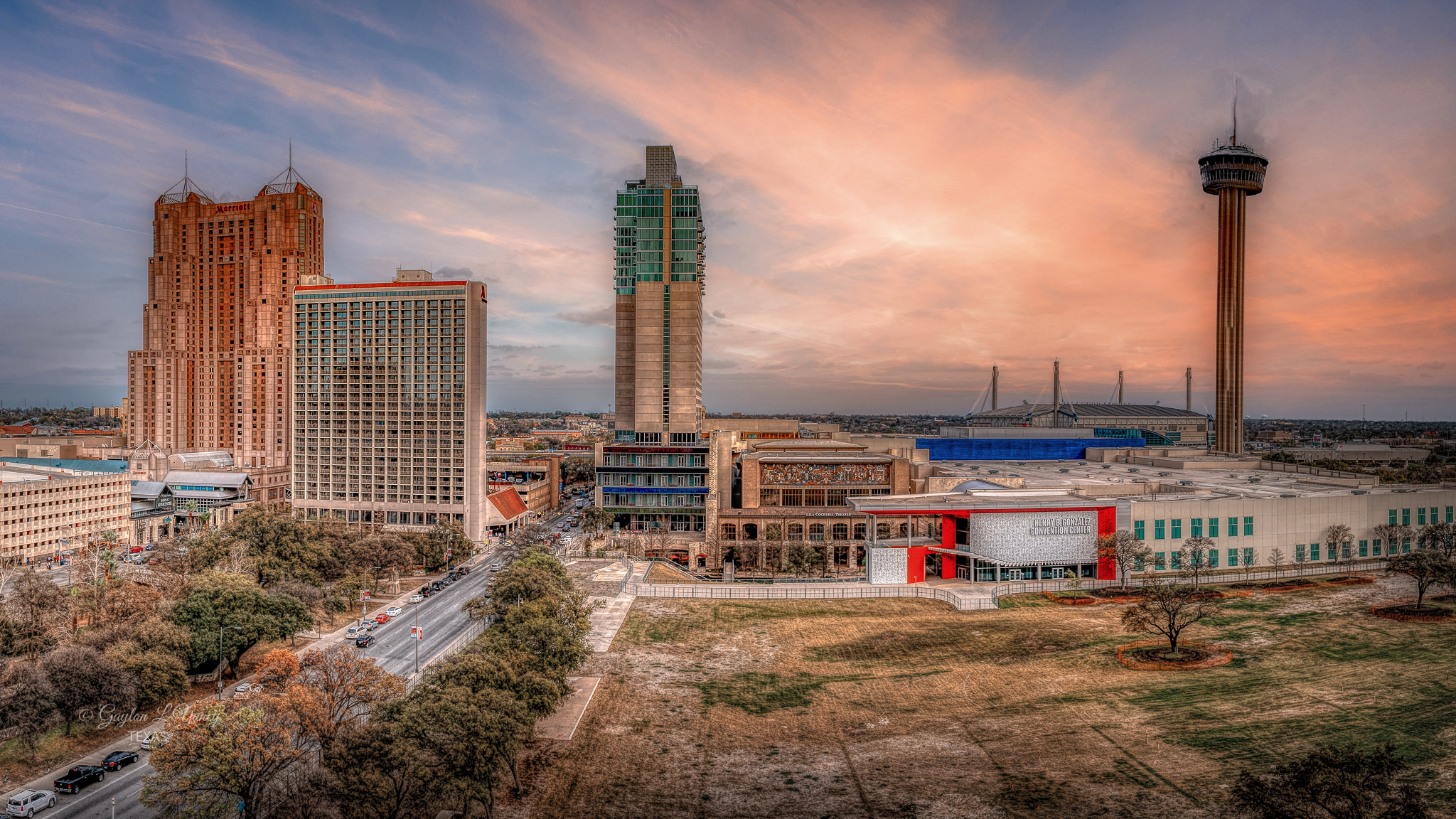
In San Antonio, history meets practicality. The city has long been a favorite for productions needing military access, Southwestern architecture, or historical authenticity. With Air Force bases nearby and iconic landmarks like the Alamo and the River Walk, it offers filmmakers a distinct visual palette.
San Antonio is part of the Film Friendly Texas program, a statewide initiative that certifies cities with streamlined permitting and location support. Productions like Selena and Miss Congeniality have taken full advantage of the city’s character-rich streets and cooperative city officials.
West Texas
Then there’s West Texas, the region with the most cinematic draw — and often, the least infrastructure. But that’s the tradeoff. Marfa, with its stark desert landscape and minimalist architecture, has served as the visual soul of films like Giant, There Will Be Blood, and No Country for Old Men. The town is a living postcard, frozen in time, with a local arts community that’s largely supportive of incoming productions.
Further south, Terlingua and the Big Bend region offer sweeping isolation, dramatic skies, and dramatic terrain. These locations are as stunning as they are logistically challenging — unpredictable weather, long hauls between services — but for filmmakers in search of scale and silence, they’re unmatched.
Check Out: Bird Species Unique to Texas (and Where to See Them)
East Texas
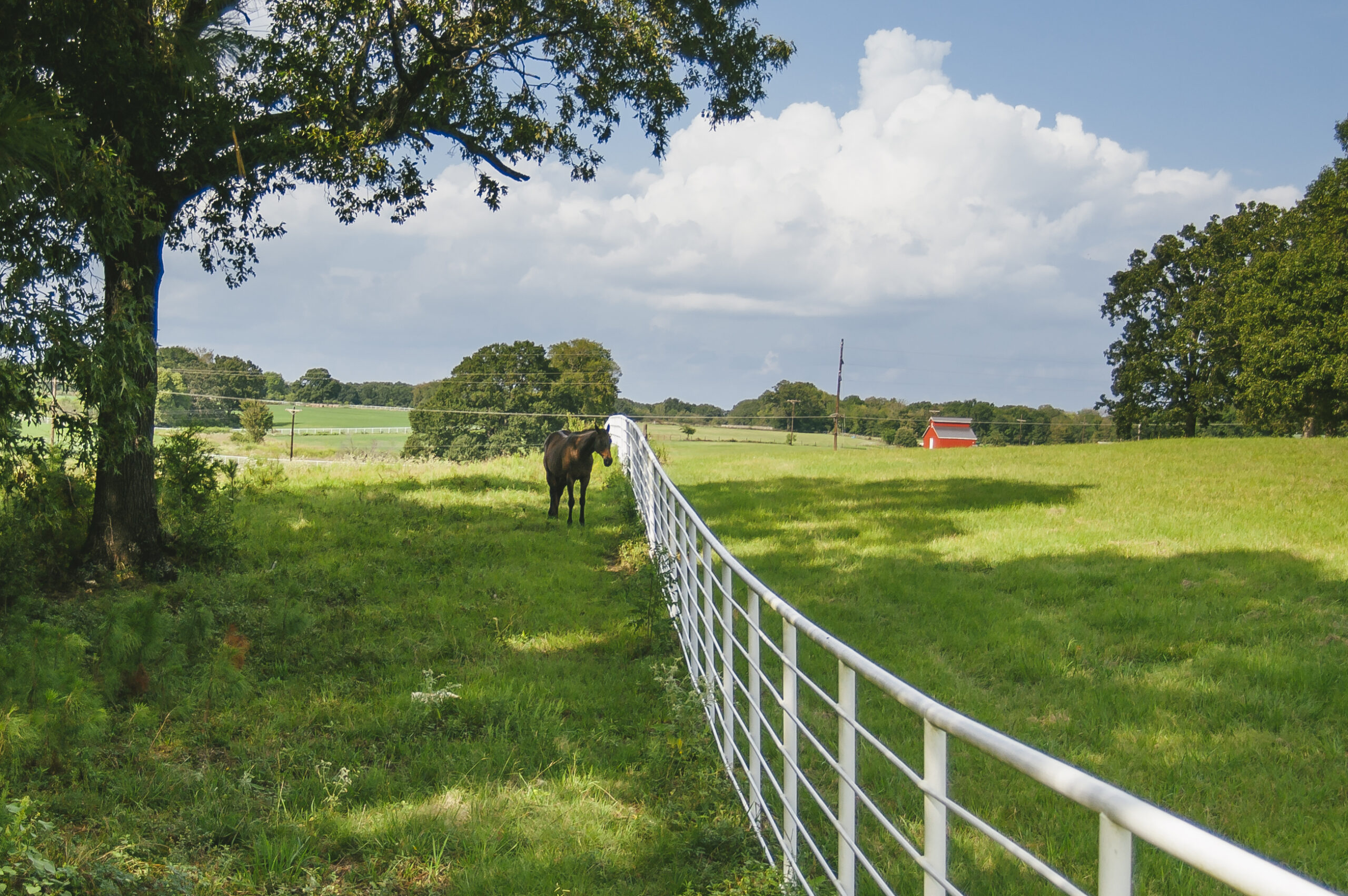
East Texas offers a completely different experience — pine forests, humidity, and towns that look like Southern postcards. With their courthouse squares, vintage diners, and slow-paced charm, towns in this region have become go-to settings for period pieces and rural dramas. Richard Linklater’s Bernie was shot in Carthage, a town that feels like it could double for anywhere in the deep South. The Piney Woods provide atmosphere, while smaller towns offer affordability and a cooperative local presence for productions seeking authenticity over flash.
None of this regional success is accidental.
Since 1971, the Texas Film Commission has worked to build infrastructure and attract outside production. The state’s Film Friendly Texas program has now certified over 175 communities, ensuring consistent permitting processes and trained local support — a crucial factor when scouting nontraditional locations. Combined with growing incentive programs and rising investments in stage space and workforce development, Texas has become a state-sized backlot with increasing credibility.
The film economy here isn’t just about star vehicles or streaming series. It includes commercial work, short-form content, branded media, documentaries, and indie features. It’s supported by students from UT Austin, SMU, UNT, and Texas State. It’s fueled by a mix of union and non-union crews.
And it’s deeply embedded in the cultural identities of cities that now see filmmaking not as a one-off event, but as part of their long-term economic development.
Filmmaking in Texas no longer means “somewhere outside LA.”
It means Austin for indie vision, Dallas for studio polish, Houston for narrative experimentation, San Antonio for heritage, West Texas for landscapes, and East Texas for Americana. Every region has its look. And increasingly, its crew.
The question isn’t can you make a movie in Texas — it’s where in Texas you should shoot?
