

Sugar Land’s story unwraps like a vintage sugar wrapper—sticky sweet, industrial heavy, threaded with stories of labor, innovation, and town‑building.
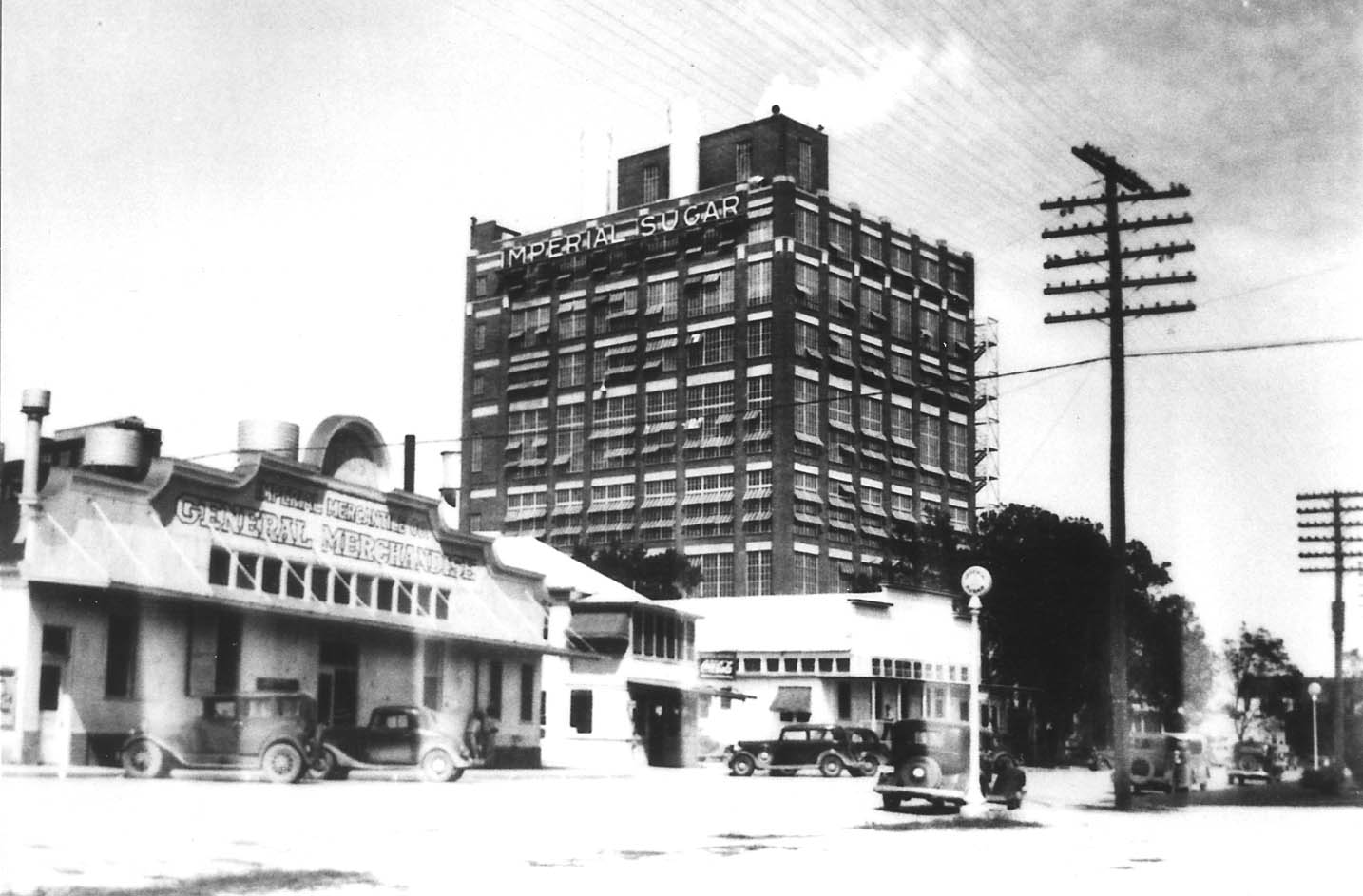
The centerpiece is, of course, the Imperial Sugar Refinery Historic District—a sprawling original complex built in 1896 and acquired by the Kempner family in 1908. It became the engine of a company town, powering expansion and shaping lives from Houston to the Brazos River floodplain.
Today the refinery buildings are mostly gone, but the iconic Char House, built in 1925, remains a Steel‑towering symbol of industrial ambition. Recently, the city voted to acquire the site in a multi‑million dollar project to preserve and revitalize it.
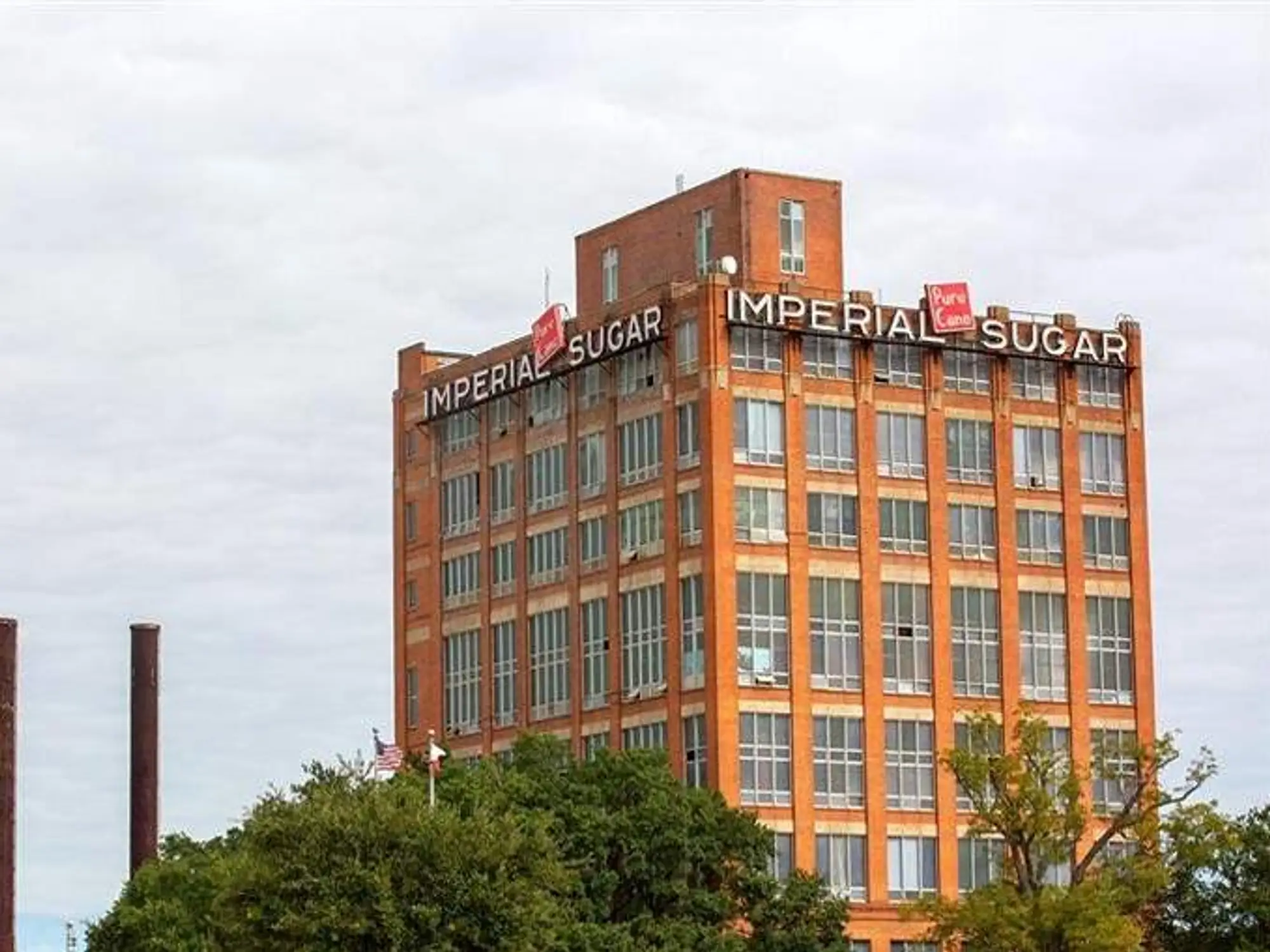
Plans now include turning it into a cultural anchor—a boutique hotel, museum and event space—cementing its central role in Sugar Land’s living heritage.
Stroll down Main Street, and you’ll reach the restored Sugar Land Auditorium, a mid‑20th century civic gathering spot. Built during the era when Imperial Sugar built housing and schools for its workers, the auditorium echoed with graduation ceremonies, talent shows, and civic debates. It’s a window into the rhythms of community life when sugar literally sweetened social cohesion.
Check Out: Fun Family Activities Along Galveston’s Stunning Coastline
Nearby the Old Sugar Land Post Office captures local civic pride in brick and mortar. Its 1930s façade—bearing Depression‑era WPA ornamentation—reminds visitors that Sugar Land, though built by industry, was nurtured by families and institutions. Postal services connected farm workers to family across the Brazos and the world beyond, linking the plantation town to broader networks of communication.
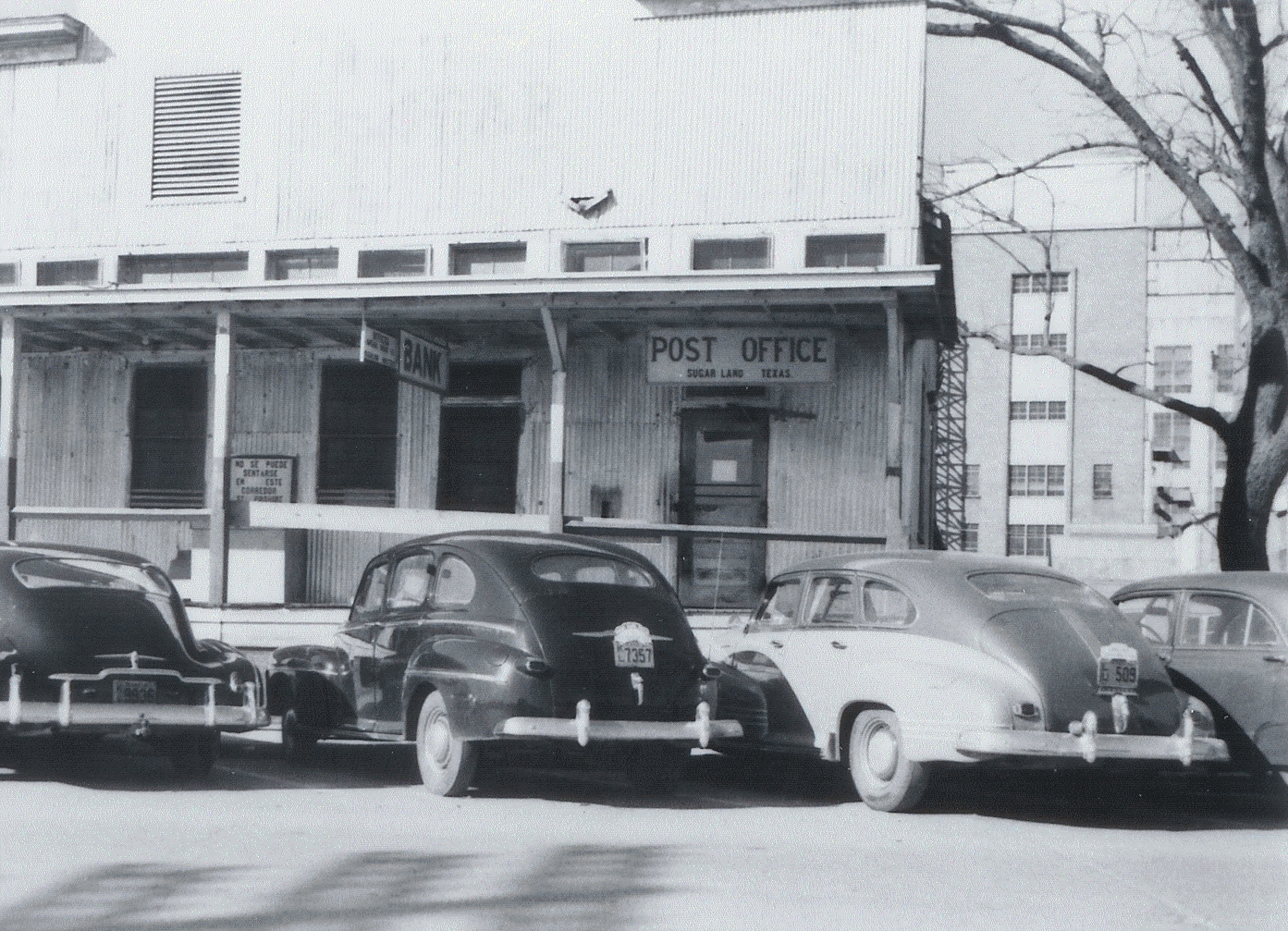
Together, these landmarks—the refinery site, auditorium, and post office—form a walking narrative of Sugar Land’s rise: from sugarcane plantation founded by early settlers, to company town, to thriving modern suburb.
Check Out: The Best Dog Trails Around Austin for Quality Time with Your Canine
At a Glance: Sugarland Heritage Highlights
Must‑Visit Historical Landmarks. Sugar Land’s heritage unfolds best by visiting the Imperial refinery district, Sugar Land Auditorium, and Old Post Office, each illuminating a chapter of civic foundations and industrial ambition.
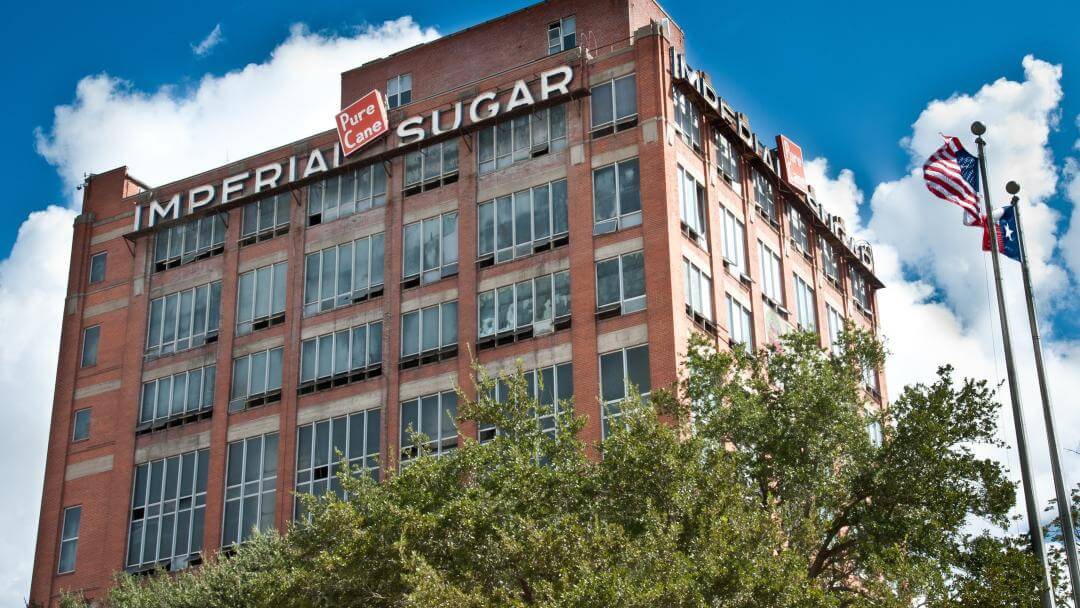
Stories Told by Each Landmark. The refinery tells the story of labor, immigration, and corporate direction. The auditorium reveals civic life among residents. The post office marks the transition from plantation settlement to gazetteer of a modern suburban city.
