

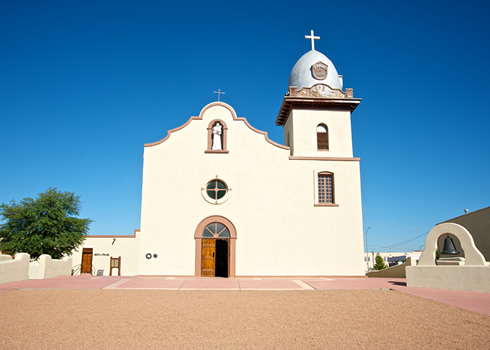
El Paso’s past unfolds not in dusty textbooks but along the El Paso Mission Trail, a nearly nine-mile ribbon of adobe churches and presidios that stretches through the Mission Valley.
Walk this path from Ysleta Mission to Socorro Mission to San Elizario Chapel, and you step into centuries of history. Here, Fray García de San Francisco celebrated mass in 1659 under crude adobe shelter, founding the earliest of what would become Texas’s mission system.
After the 1680 Pueblo Revolt, nearly 2,000 Spanish and Tigua refugees fled south from northern New Mexico to the El Paso Valley, where they established new communities. These missions—rebuilt, repainted, but always grounded in original earthen foundations—witnessed the sweep of empires and peoples: Spanish priests and Apache traders, Mexican independence fighters, Anglo ranchers, and railroad prospectors.
These adobe structures predate the Old West mythos but lived through it. Their thick walls held firm through cattle drives, salt wars, and trading caravans rolling down El Camino Real de Tierra Adentro. Walking the trail is more than visiting religious relics—it’s tracing the living arc of borderland identity, from mission church to frontier town.
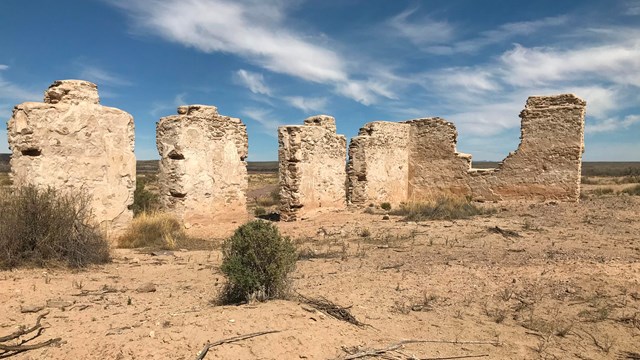
Connecting this cultural current is the Magoffin Home State Historic Site, a downtown adobe mansion that tells the story of El Paso’s civic birth. Constructed in 1875, the home was built by Joseph Magoffin, a prominent merchant, four-term mayor, and early El Paso leader who helped shape the city’s water infrastructure, Fort Bliss expansion, and railroad connections.
A tour of the Magoffin Home offers an hour-long journey through high-ceilinged rooms filled with original Victorian furnishings, hand-carved furniture, imported Chinese ceramics, and hand-stitched textiles. The house stands as a time capsule of elite life on the Mexican-American border. Yet within its walls are the stories of not just the Magoffins, but the cooks, housekeepers, laborers, and civic visitors whose lives intertwined with this 19th-century hub of diplomacy and domesticity. Today, it remains one of the best-preserved examples of Territorial-style adobe architecture in Texas.
Nearby in El Paso’s arts district is the El Paso Museum of History, a modern gateway to the city’s storied past. Its most distinctive feature is DIGIE—the Digital Wall, an interactive digital archive of more than 40,000 photos and stories contributed by the public. One of only four such installations in the world, DIGIE invites visitors to explore El Paso’s multicultural heritage, from Tigua elders and Buffalo Soldiers to Chicano student activists and local families who lived through cross-border revolutions.
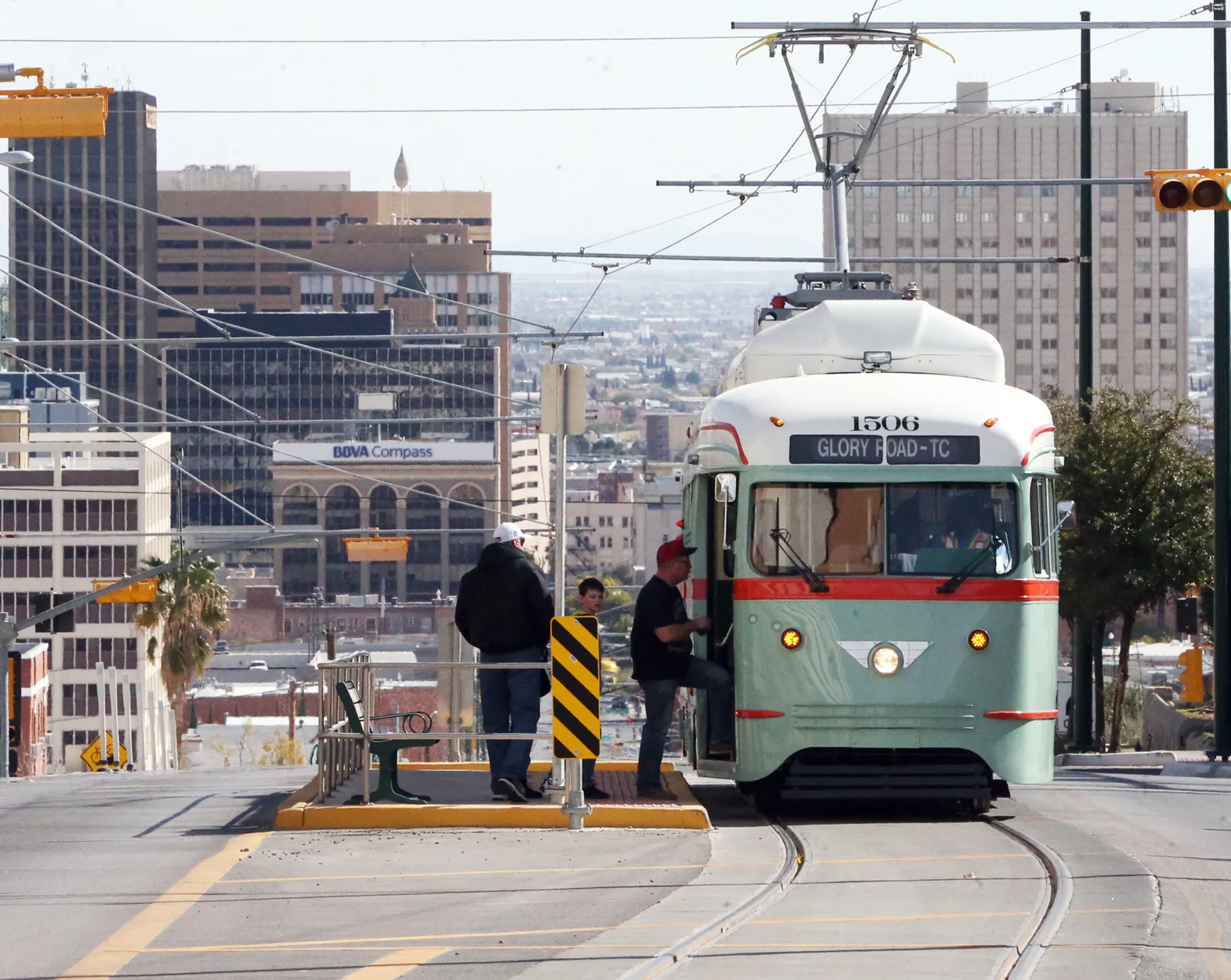
Inside the galleries, exhibitions explore the city’s transformation: how Fort Bliss, railroads, the Chamizal Treaty, and even civil rights battles shaped a unique Southwestern metropolis. Temporary shows rotate in themes—from borderland foodways to the evolution of El Paso streetcars. Unlike many history museums that confine themselves to colonial beginnings, this institution propels history into the now, engaging visitors in the legacy and future of life along the Río Grande.
Tourists can walk or ride through these stories. Guided tours led by local historians bring context to the terrain, highlighting episodes like the Salt War of the 1870s, the role of Tigua Pueblo governance, and El Paso’s transition from ranching hub to binational trade zone. Many tours also explore border-era tensions through visits to the nearby Chamizal National Memorial, where the long-standing boundary dispute between the U.S. and Mexico was finally settled in 1963.
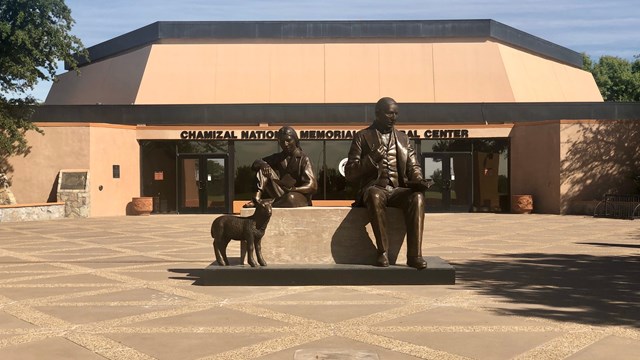
Self-guided travelers can still capture the narrative through interpretive signage, printed maps, and public art installations embedded along the trail. Many sites, including the missions and Magoffin Home, offer recorded audio tours that deepen the immersive experience. And thanks to the return of the historic El Paso Streetcar, visitors can now hop on and off between downtown landmarks with ease.
More Old West Heritage Threads in the El Paso Area
John Wesley Hardin, a gunslinger infamous even among Old West legends, lived out his final days in El Paso. Said to have killed over 20 men, Hardin was gunned down in 1895 in the Acme Saloon. His grave—encased in steel to deter souvenir hunters—lies in Concordia Cemetery, a hallowed site where more than 60,000 are buried, including Buffalo Soldiers, Chinese railroad workers, and Mexican revolutionaries.
Though Wyatt Earp is better known for his exploits in Tombstone, Arizona, his network touched El Paso through legal and trade dealings. Like Billy the Kid, whose cross-border notoriety included stints in nearby New Mexico, these figures reflect the lawless intensity that defined this stretch of the frontier.
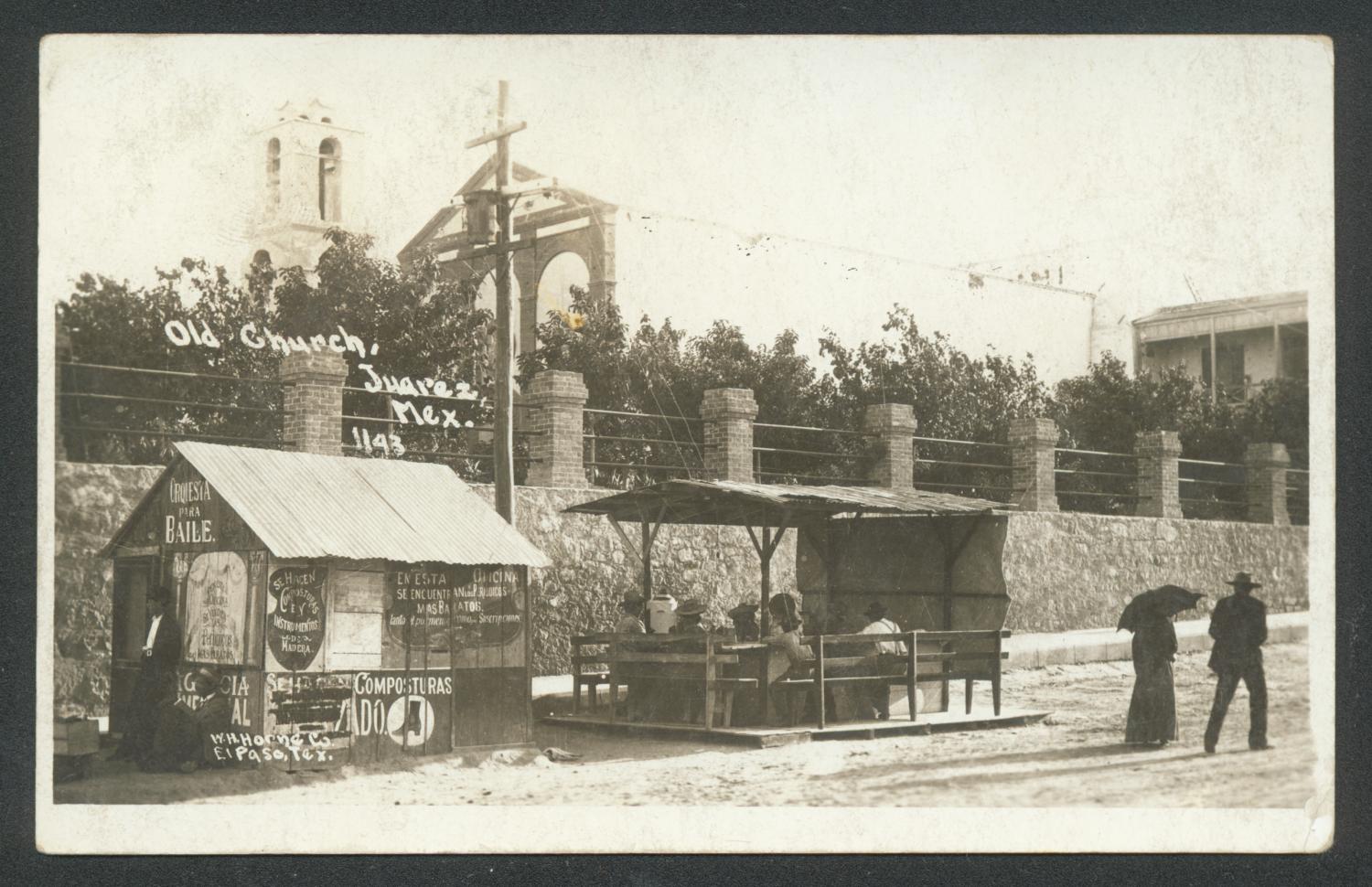
El Paso’s proximity to Ciudad Juárez has long blurred the lines of culture, politics, and legend. Once part of the same colonial territory, El Paso and Juárez evolved as sibling cities. From the Spanish missions and smuggler trails to the Mexican Revolution and today’s international trade corridors, the ties remain indelible. Tours often include Juárez landmarks like the Catedral de Nuestra Señora de Guadalupe or the Museum of the Revolution on the Frontier (MUREF), and some border-crossing experiences focus entirely on binational culture.
Planning an Old West journey in El Paso is easier than ever. Most heritage tours, including ghost walks at Concordia, Mission Trail drives, and Plaza Theatre visits, can be booked via Visit El Paso or through partnered local operators. The El Paso Streetcar now connects downtown to uptown, including areas like the Magoffin district, Union Plaza, and the University area.
Some tour providers offer bundled experiences—like dinner and a performance at the Plaza Theatre following a walking tour of Old Town, or combined museum access with private guides. Others include access to reenactments or bilingual tours that highlight cross-border narratives in real time.
