

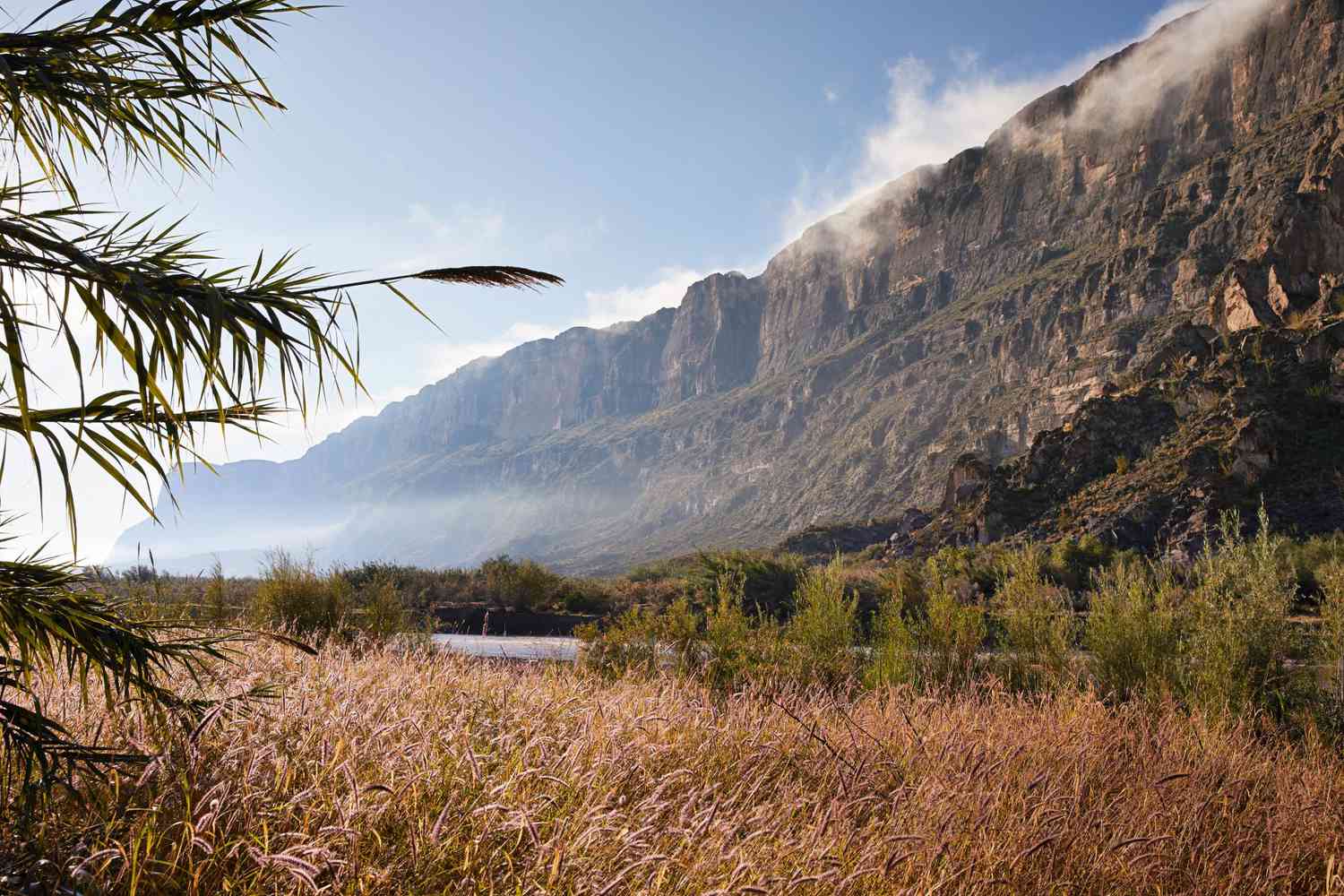
Texas is alive with movement, sound, and color.
From the rolling prairies to the saltwater marshes, the state’s diverse habitats offer an incredible range of wildlife-watching opportunities during the warmer months.
While the heat can be intense, early mornings and late evenings open a window into the most active hours for many species. Whether you’re hoping to spot rare migratory birds, glimpse elusive mammals, or watch sea turtles emerge on the beach, Texas has a destination that fits your summer wildlife wish list.
Padre Island National Seasore
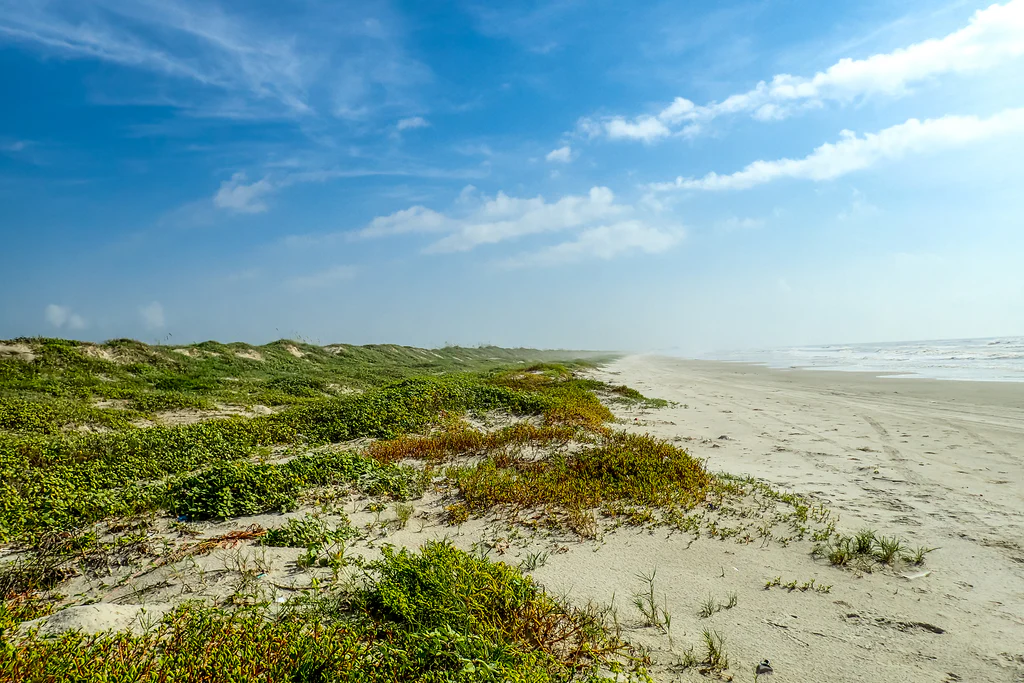
One of the most unique wildlife-watching experiences in the state can be found at Padre Island National Seashore. Stretching for more than 60 miles along the Gulf of Mexico, this protected barrier island is a critical habitat for nesting , one of the most endangered sea turtle species in the world. Summer visitors may be lucky enough to witness a turtle hatchling release, when tiny turtles make their way across the sand to the ocean — an unforgettable sight. Padre Island is also a birding hotspot, serving as a rest stop for migratory species traveling the Central Flyway.
Aransas National Wildlife Refuge
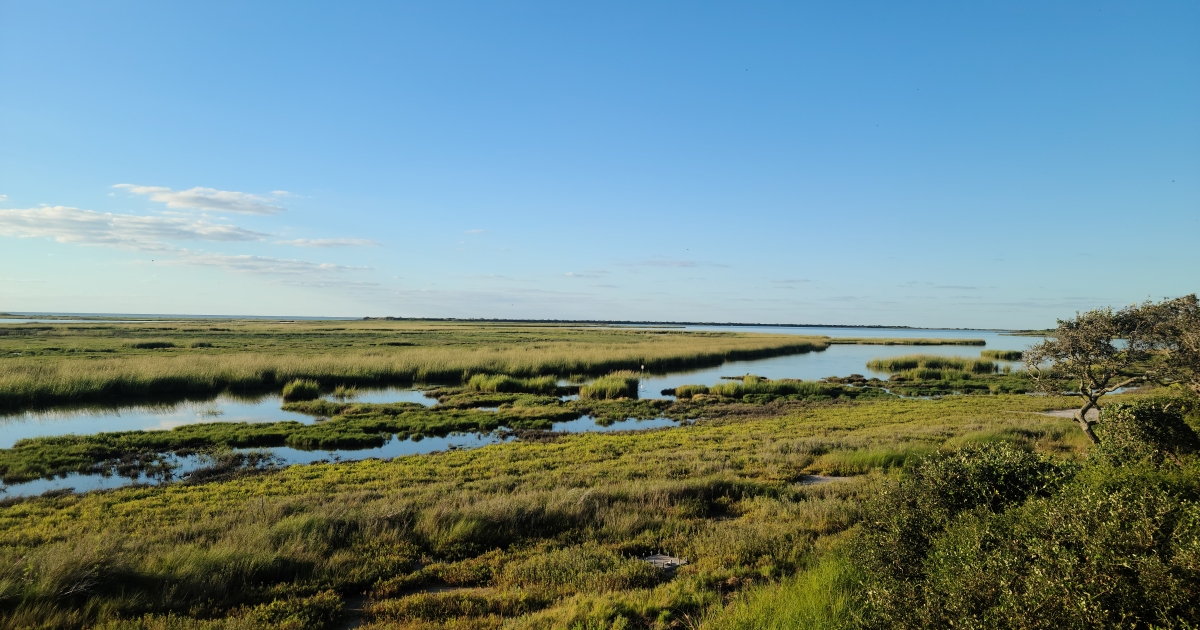
Further up the Texas coast, the Aransas National Wildlife Refuge is famous for its wintering whooping cranes, but summer brings its own treasures. Alligators sun themselves on the banks of freshwater ponds, roseate spoonbills feed in the marshes, and white-tailed deer graze in open fields. The refuge’s observation towers and boardwalks provide excellent vantage points for spotting a variety of species without disturbing them. Visiting in summer also means fewer crowds compared to the winter season.
Check Out: Houston Adventures with Kids: Museums, Parks, and Giant Giraffes
Big Bend National Park
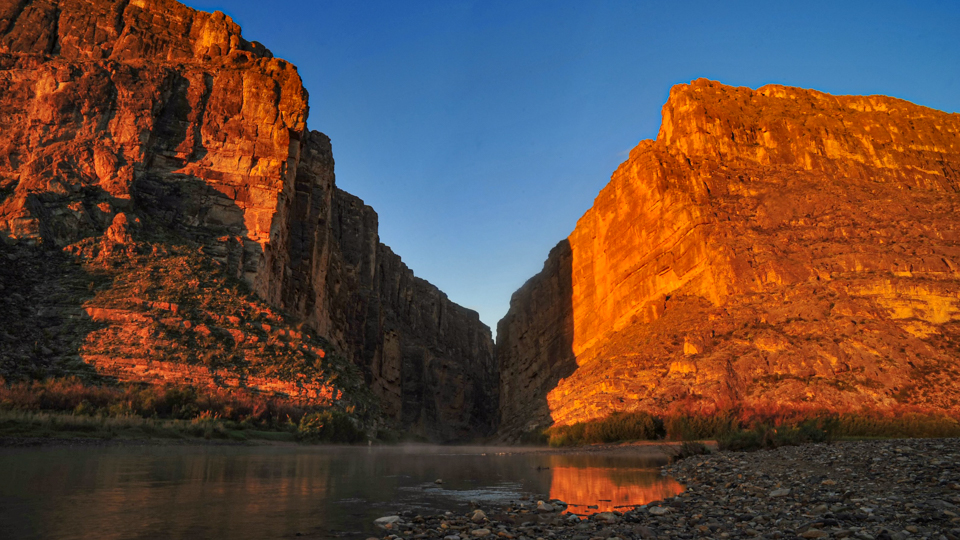
If your summer travels take you west, Big Bend National Park offers a completely different wildlife experience. Located along the Rio Grande, Big Bend’s rugged desert landscapes are home to black bears, javelinas, roadrunners, and even mountain lions. The park’s riparian areas — particularly along the Rio Grande — are magnets for wildlife seeking water during the hot months. Birdwatchers flock to Big Bend to see species like the Colima warbler, which has one of the most limited breeding ranges in the United States. Hiking early or late in the day increases your chances of spotting wildlife while avoiding the midday heat.
Laguna Atascosa National Wildlife Refuge
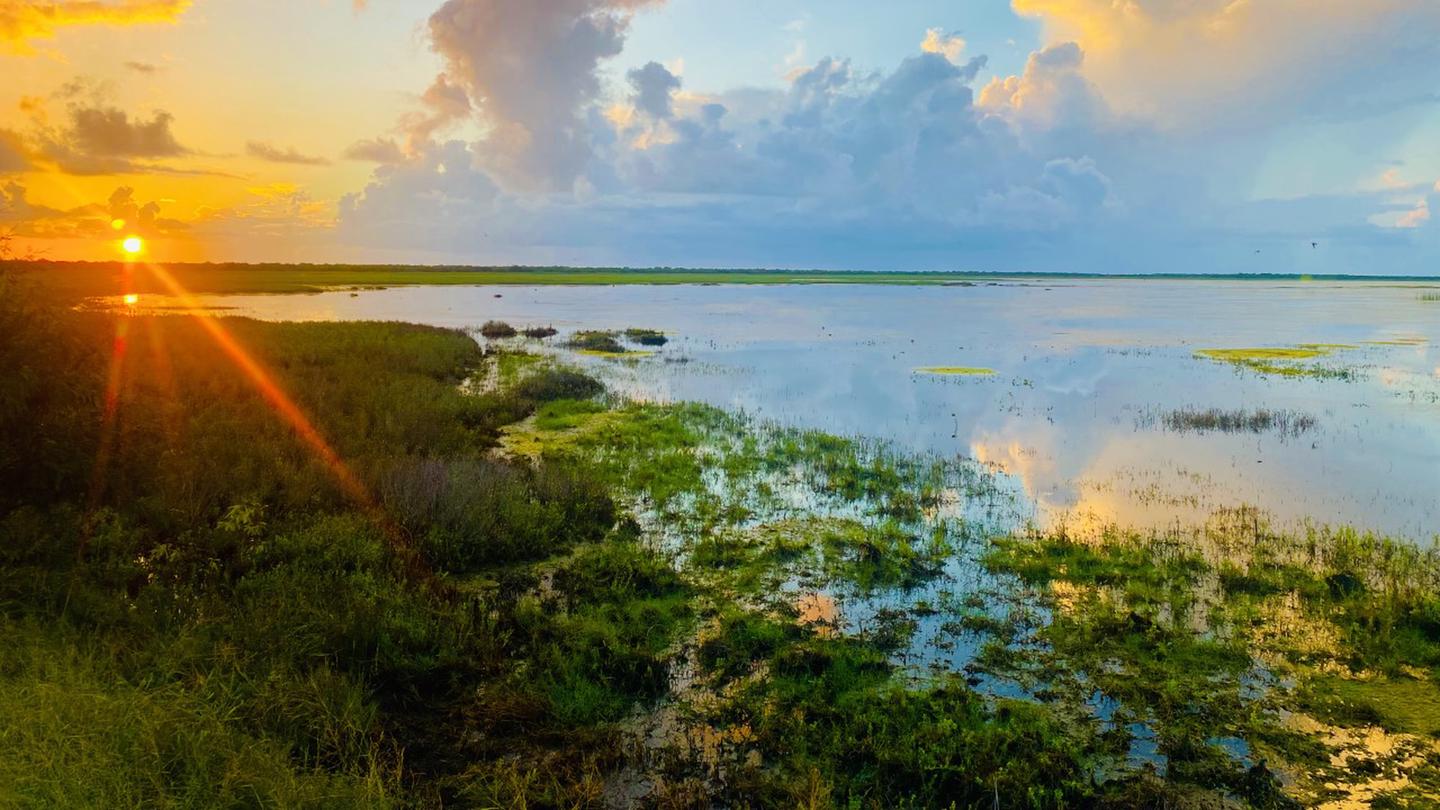
Another must-see for coastal and wetland wildlife lovers is the Laguna Atascosa National Wildlife Refuge, located near Brownsville. This refuge is one of the best places in the U.S. to potentially spot the endangered ocelot in the wild, though sightings are rare and require patience. More commonly, visitors will see green jays, Altamira orioles, and other tropical bird species rarely found elsewhere in the country. The refuge’s mix of coastal prairie, thornscrub, and tidal flats makes it a year-round draw for wildlife watchers.
Guadalupe Mountains National Park
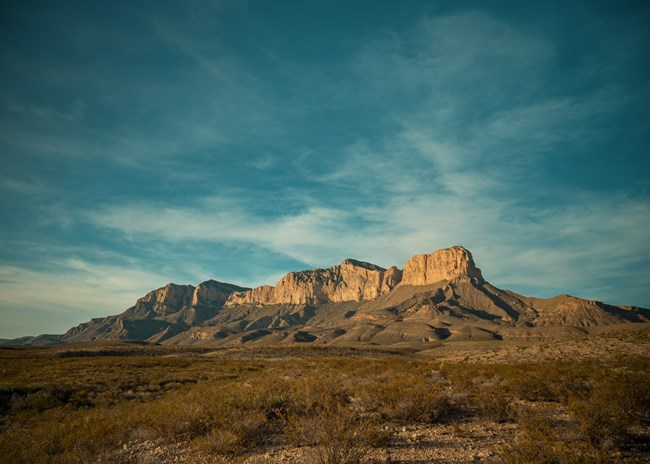
In the mountains of far West Texas, Guadalupe Mountains National Park offers cooler temperatures at higher elevations and a surprising diversity of wildlife. Mule deer are common in the open grasslands, while elk and black bears roam the forested canyons. The park’s higher trails provide opportunities to spot golden eagles soaring overhead, and its night skies are among the darkest in the country, making it a great place for both wildlife watching and stargazing.
Check Out: Museums, Parks & Hidden Stories: These are Sugar Land’s Cultural Sweet Spots
Brazos Bend State Park
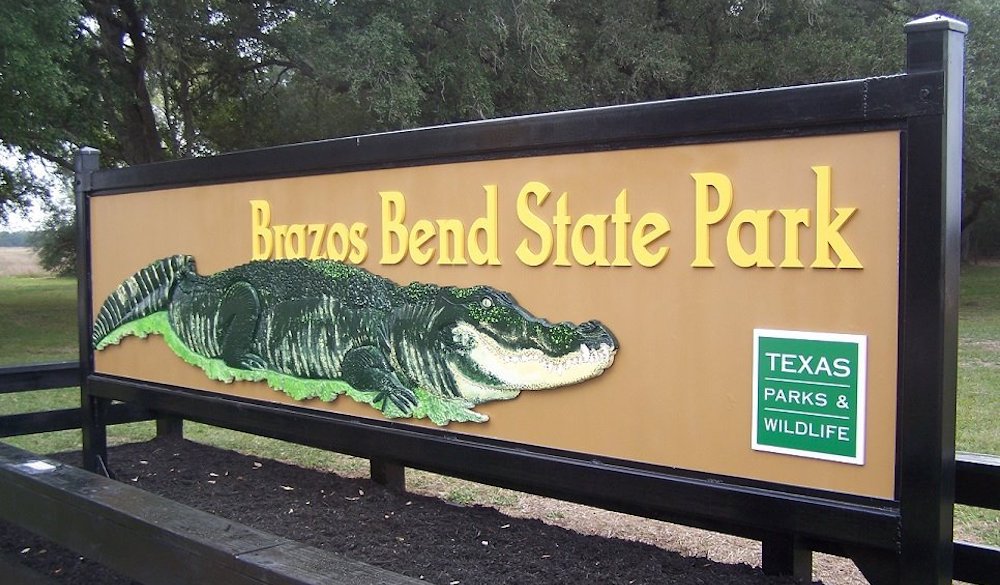
Closer to Texas’s largest urban areas, Brazos Bend State Park is an excellent choice for families and casual wildlife watchers. Located just south of Houston, the park is known for its thriving alligator population, but visitors can also see a variety of wading birds, turtles, and deer. The park’s accessible trails and observation platforms make it easy to view wildlife up close, and summer mornings bring especially good activity in the wetlands.
When planning your Texas summer wildlife adventures, timing is everything. The intense midday sun can drive many animals into shaded or sheltered areas, making early mornings and evenings the most productive times for viewing. Summer also coincides with key wildlife events — from nesting sea turtles on the Gulf Coast to baby deer in state parks — so researching seasonal patterns at your chosen destination can greatly improve your experience.
It’s equally important to consider ethics when wildlife watching. Maintain a safe and respectful distance, never feed wild animals, and use binoculars or a telephoto camera lens to get a closer look without causing stress to the animal. Many Texas parks and refuges have designated observation areas or boardwalks designed to minimize human impact while maximizing viewing opportunities.
Blending your wildlife viewing with other outdoor activities can make your trip even more memorable. Kayaking in wildlife-rich waters like the Laguna Madre, hiking desert trails in Big Bend, or camping near a state park wetland can give you multiple perspectives on the same ecosystem.
Sidebar: How Do Guided Birdwatching Tours Enhance Wildlife Experiences?
Texas is one of the top birding states in the country, with more than 600 recorded species, and summer brings an abundance of activity. Joining a guided birdwatching tour can help you make the most of this seasonal bounty. Guides not only know where to find target species but can also identify birds by their calls — an invaluable skill when thick foliage makes visual identification difficult.
Popular summer birding destinations in Texas include High Island, a world-famous migration stop; the Great Texas Birding Trail, which connects hundreds of bird-rich sites; and the Lower Rio Grande Valley, where tropical species like the green jay and plain chachalaca can be found.
Guided tours often include access to high-quality spotting scopes and binoculars, as well as insider knowledge on the best times of day and the best habitats for particular birds. Many are operated in partnership with conservation groups like the Texas Ornithological Society or local Audubon Society chapters, ensuring that your participation supports habitat protection and education.
Whether you’re an experienced birder or a beginner hoping to add a few species to your life list, guided tours can turn a casual outing into a deeply rewarding wildlife experience — and in Texas, there’s no shortage of places to explore.
Texas in summer is as vibrant as it is diverse. From the sea turtle nesting grounds of Padre Island to the mountain trails of the Guadalupe range, the state offers endless opportunities to witness wildlife in its natural setting. With thoughtful planning, ethical viewing practices, and maybe a little expert guidance, your summer wildlife watching trip can be both unforgettable and a contribution to the conservation of Texas’s natural treasures.
Top 5 Tips for Making the Most of a Texas Birdwatching Tour
Arrive Early – Birds are most active at dawn, and arriving before your scheduled start gives you time to set up your gear, adjust binoculars, and soak in the sounds of the waking habitat.
Dress for the Terrain and Weather – Texas summers can be hot, humid, and buggy. Wear lightweight, breathable clothing in muted colors, a wide-brimmed hat, and comfortable walking shoes. Don’t forget sunscreen and insect repellent.
Bring a Field Notebook – While many tours provide checklists, jotting down your own observations — behavior, habitat, and interactions — will help you remember sightings and learn faster.
Ask Questions – Guides are often seasoned birders with deep knowledge of local ecology. Take advantage by asking about calls, plumage differences, or the best seasons to see certain species.
Practice Quiet Observation – Keep conversations low and movements slow to avoid startling birds. Use your binoculars or the guide’s spotting scope to get close-up views without intruding on their space.
