

From Hill Country retreats to Austin tech scenes, the Lone Star State is quietly becoming Hollywood’s favorite escape plan.
For much of modern entertainment history, ambition pointed you west to Los Angeles or east to New York. But over the last decade and a half, Texas has emerged as an unexpected third option — not as a career move, but a lifestyle one. From Oscar winners to podcast powerhouses, a growing wave of celebrities are trading coastal congestion for ranches, Hill Country acreage, and urban neighborhoods that offer privacy, space, and a sense of normalcy.
The migration isn’t a passing trend.
It’s part of a larger shift in how high-profile Americans are choosing to live, especially as remote work, streaming-era flexibility, and a post-pandemic reordering of values take hold. And while motivations vary — from taxes to personal reinvention — Texas is now firmly on the celebrity map.
Our Future Governor?
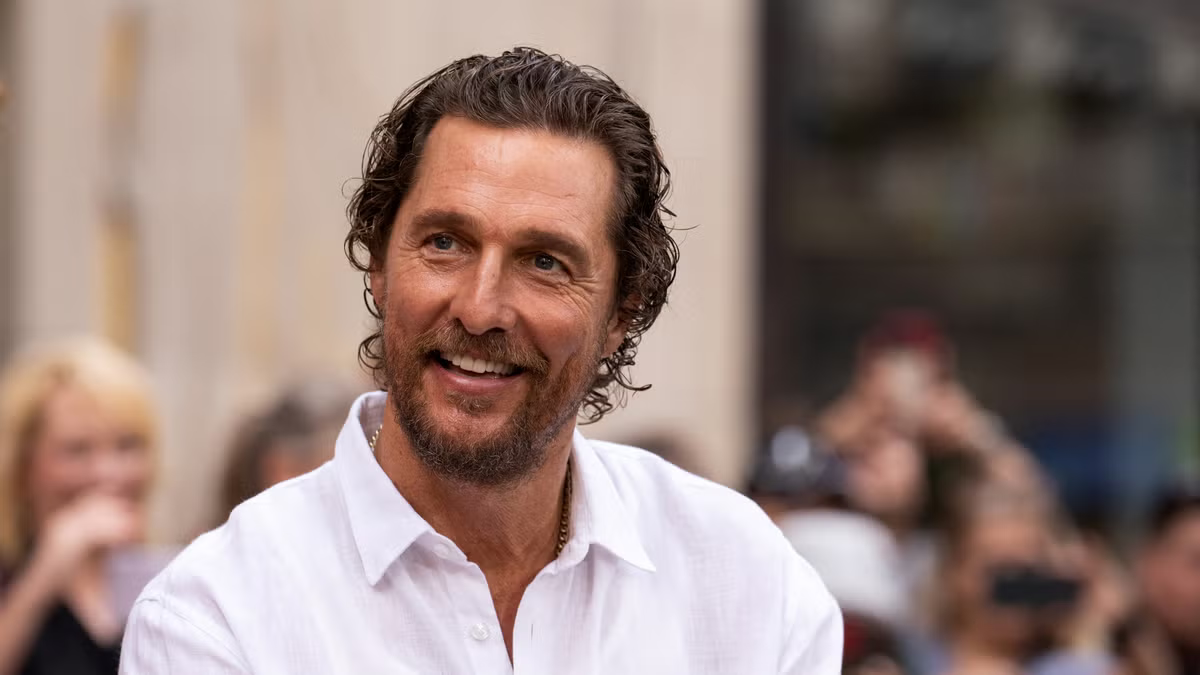
Perhaps no celebrity move has shaped this narrative more than Matthew McConaughey’s deeply rooted life in Austin.
The Oscar-winning actor and UT Austin professor has embedded himself in the city’s cultural and philanthropic fabric for years, raising his family, supporting local causes, and showing up at Longhorns games as more than a casual fan. For McConaughey, Texas is home in the truest sense — a place to work when needed and disappear when not.
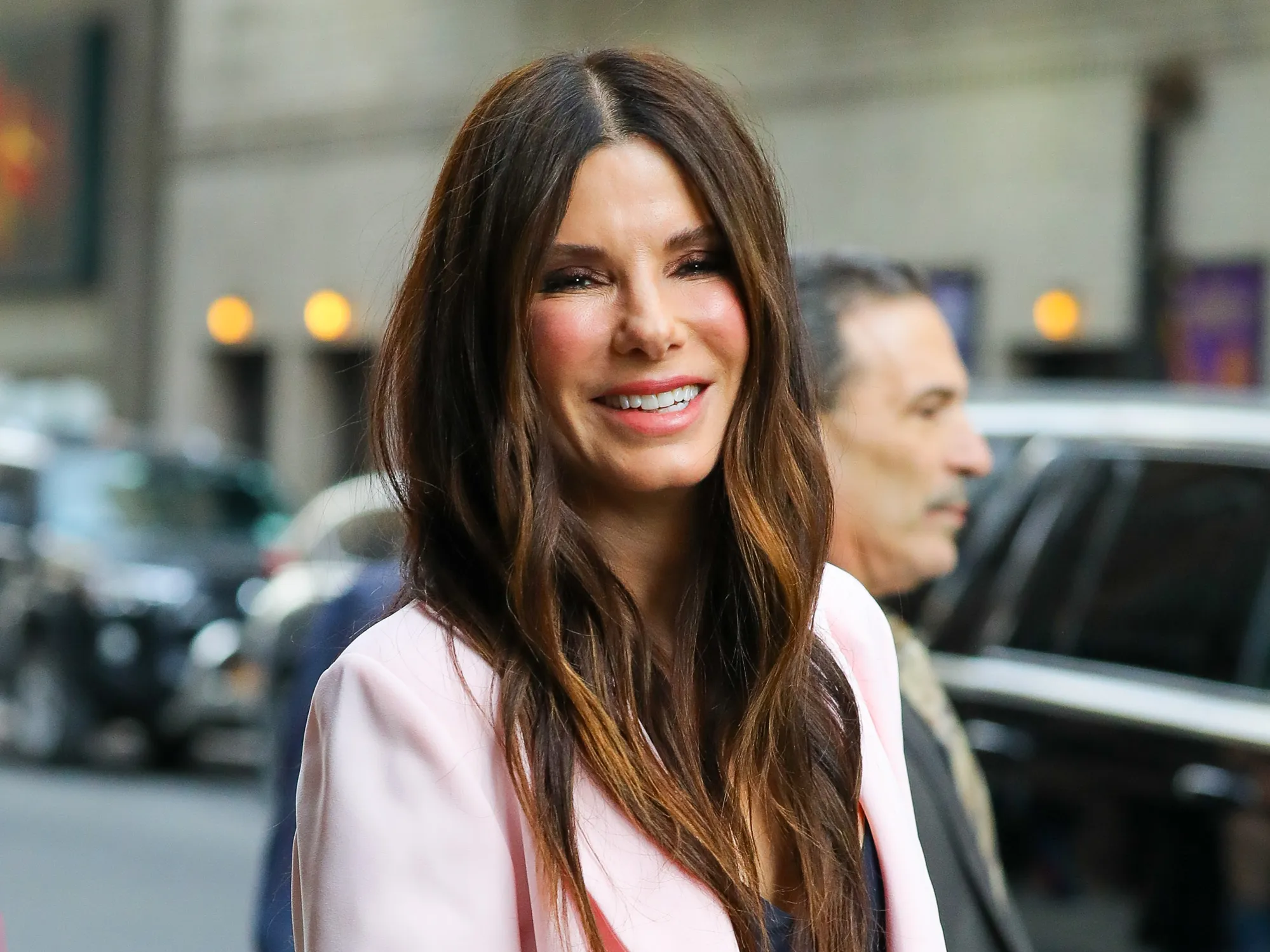
Just across town, Sandra Bullock has quietly built a life in Austin as well. The Academy Award winner owns multiple properties in the area and once opened a downtown bakery and restaurant. For years she’s split her time between Texas and Los Angeles, often citing Austin’s slower pace and family-friendly vibe as key reasons for staying. It’s a lifestyle that allows her children to grow up with less scrutiny and more space — a recurring theme among celebrity transplants.
Big Joe’s Compound
That theme got louder in 2020 when Joe Rogan, host of The Joe Rogan Experience, made headlines by announcing his move to Austin.
Citing California’s high taxes, political climate, and dense urban sprawl, Rogan relocated his family and built a custom studio for his podcast — one of the most downloaded in the world. His move added fuel to a growing narrative about Austin as a post-Hollywood creative capital, one bolstered by the city’s tech-friendly energy and Spotify’s regional expansion.
Elon and SpaceX
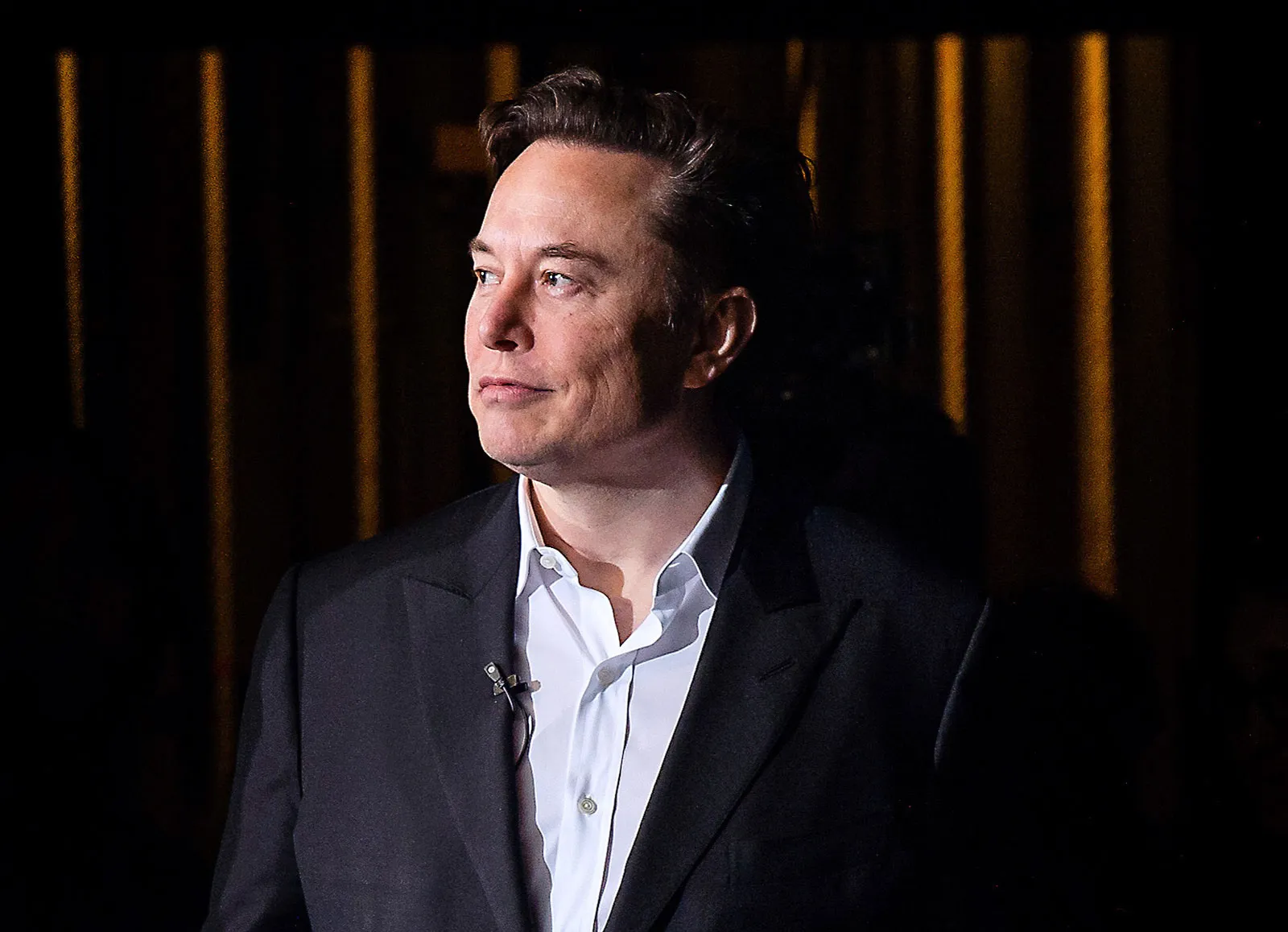
Not long after, Elon Musk made his own headline-grabbing leap — not as an actor, but as arguably the most high-profile name in tech. The Tesla and SpaceX CEO moved his residence to Texas, following years of public tension with California regulators and a clear preference for Texas’ pro-business environment. Musk relocated Tesla’s headquarters to Austin and expanded SpaceX’s presence in South Texas. While not a celebrity in the traditional sense, Musk’s relocation sent a powerful message: Texas isn’t just where you play — it’s where you build.
James Van Der Beek’s Big Move
Some moves have been quieter but no less intentional. Dawson’s Creek actor James Van Der Beek uprooted his family from Los Angeles to Texas Hill Country in 2020, seeking space, healing, and a stronger family foundation after personal struggles.
Publicly, he’s spoken about the benefits of raising five children closer to nature, in a place where pressure fades and priorities reset.
And then there’s Willie
For country music legend Willie Nelson, the Texas move wasn’t recent — it was foundational.
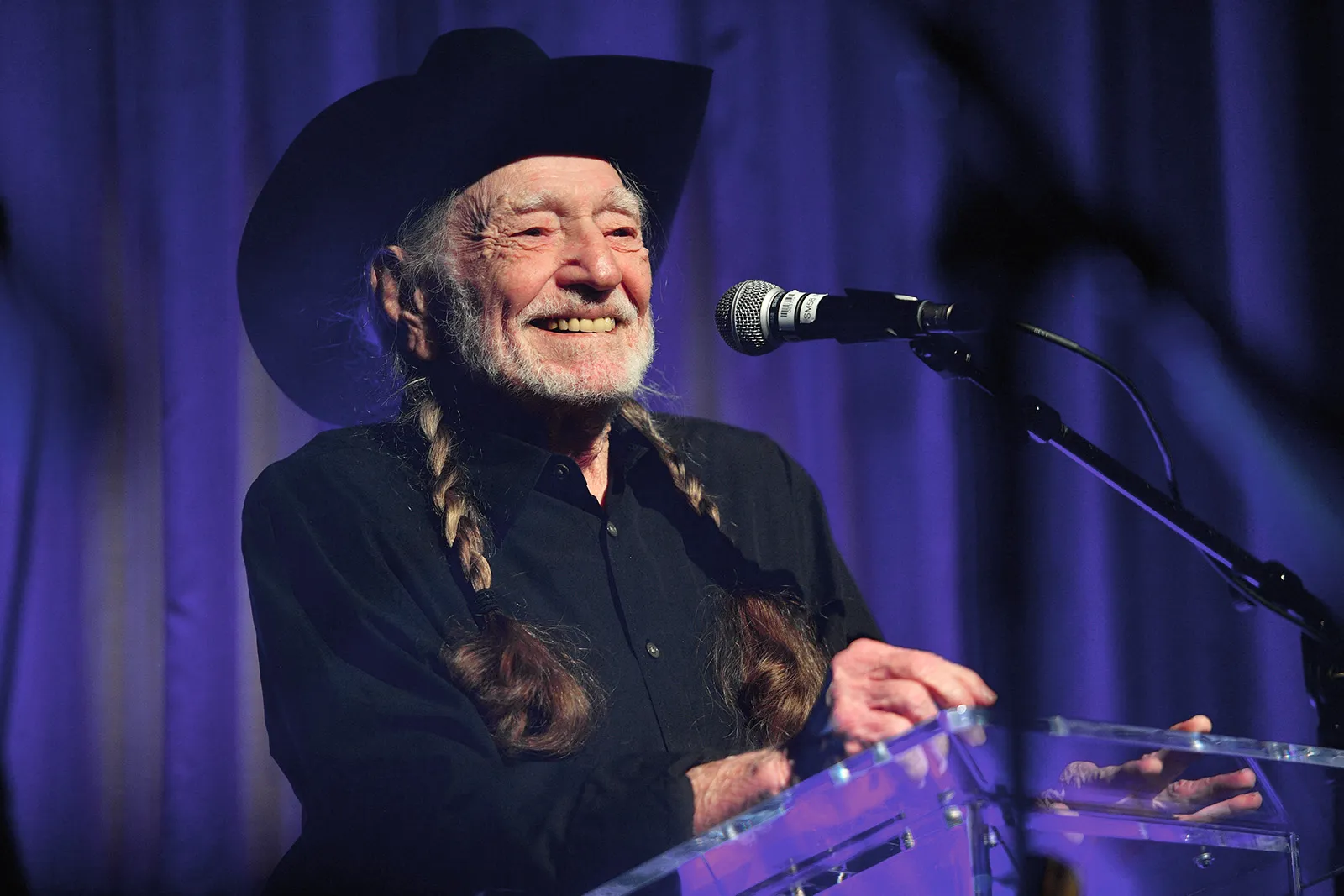
Nelson has long called Spicewood home, just outside of Austin, where he maintains a ranch that serves as both sanctuary and gathering place. Even while touring, Nelson returns regularly to Texas, a state that remains integral to his identity and sound. For younger celebrities moving in, Nelson’s presence is less trend and more cultural cornerstone.
Post Bachelor Pad
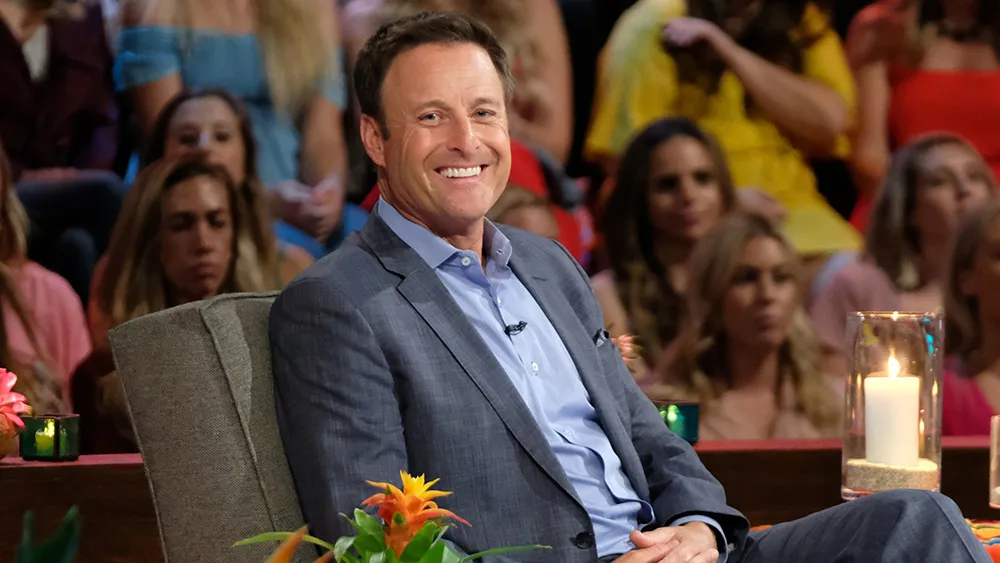
Former Bachelor host Chris Harrison also found his post-Hollywood chapter in Austin. After stepping away from the franchise in 2021, he moved to the city with fiancée Lauren Zima and opened a restaurant. In interviews, he described the transition as a chance to start fresh — away from the spotlight, yet still surrounded by a vibrant social and culinary scene.
The Real Friday Night Lights
Actor Kyle Chandler, best known for Friday Night Lights, has lived west of Austin in Dripping Springs for years — initially tied to the filming of the series, but ultimately staying for the privacy and natural beauty.
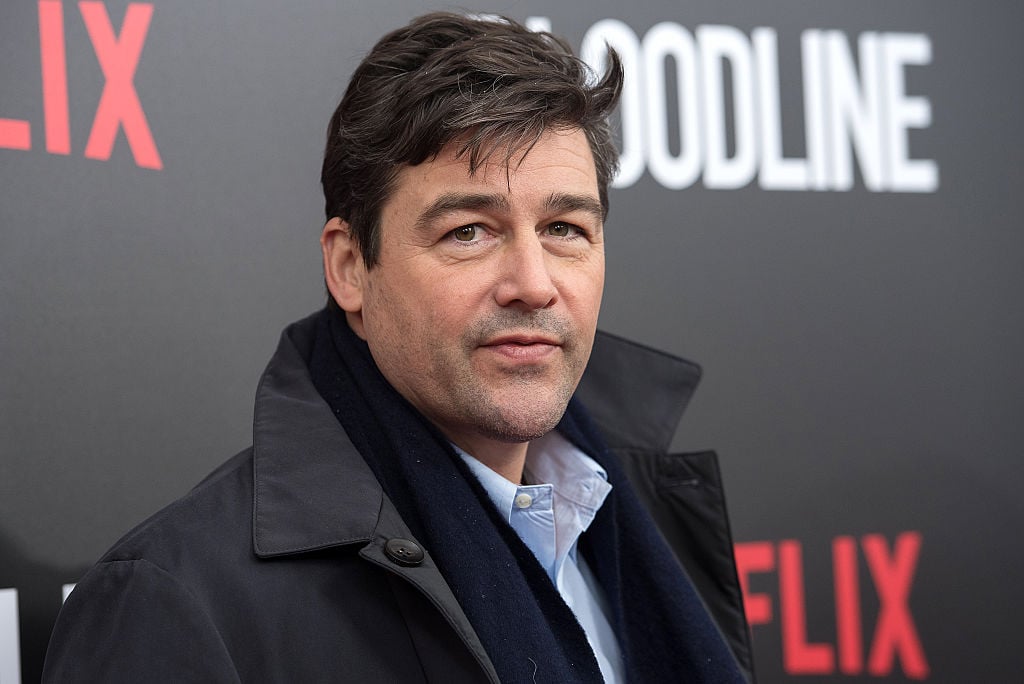
The Emmy winner has said the location gives him what Los Angeles never could: quiet, space, and a sense of balance.
So why Texas?
For some, it’s the financial calculus. Texas has no state income tax, a major draw for entertainers with unpredictable income spikes and high earnings. In contrast, California’s top income tax rate sits at 13.3% — the highest in the nation — meaning a single $10 million film or tour could cost a star more than $1.3 million in state taxes alone. In Texas, that figure drops to zero.
For others, it’s the real estate. While Austin home prices have surged, property across the state remains far more affordable on a per-acre basis than in Malibu or the Hollywood Hills. That translates into more house, more land, and — crucially — more privacy. Celebrities can vanish behind a gate in Texas in ways they rarely can on the coasts.
Beyond economics, there’s a cultural draw: Austin’s blend of music, film, and progressive counterculture makes it appealing to artists. Dallas and Houston offer commercial opportunities and luxury without the media saturation of LA. And for families, Texas presents strong schools, safer-feeling cities, and outdoor living that invites kids to roam.
There’s also the optics.
In an era where high-profile figures are increasingly scrutinized for excess, a ranch in the Hill Country or a mid-century home in East Austin reads more grounded than a paparazzi-stalked hillside mansion. Texas represents normalcy, or at least the appearance of it — something many celebrities now seem to value as much as status.
The state’s rising star doesn’t just reflect who’s moving in. It signals something broader about where the gravity of culture is shifting.
As legacy media decentralizes and the entertainment industry becomes more mobile and modular, creatives are realizing they don’t have to live in LA to shape the national conversation. And increasingly, they’re realizing that Texas — with its tax breaks, wide skies, and creative ecosystems — might just be the place to do it on their own terms.
