


In El Paso, the Old West lives in stone and story.
The story begins at San Jacinto Plaza, a green oasis in downtown that once served as U.S. Army parade grounds opposite the river. Its pond of Chinese elms and long‑ago alligators earned it the local nickname La Plaza de los Lagartos. Today the plaza whispers tales of rail yards, border crossings and civic beginnings, where generations of Mexican‑American citizens gathered under trees that shade legends as well as locals.
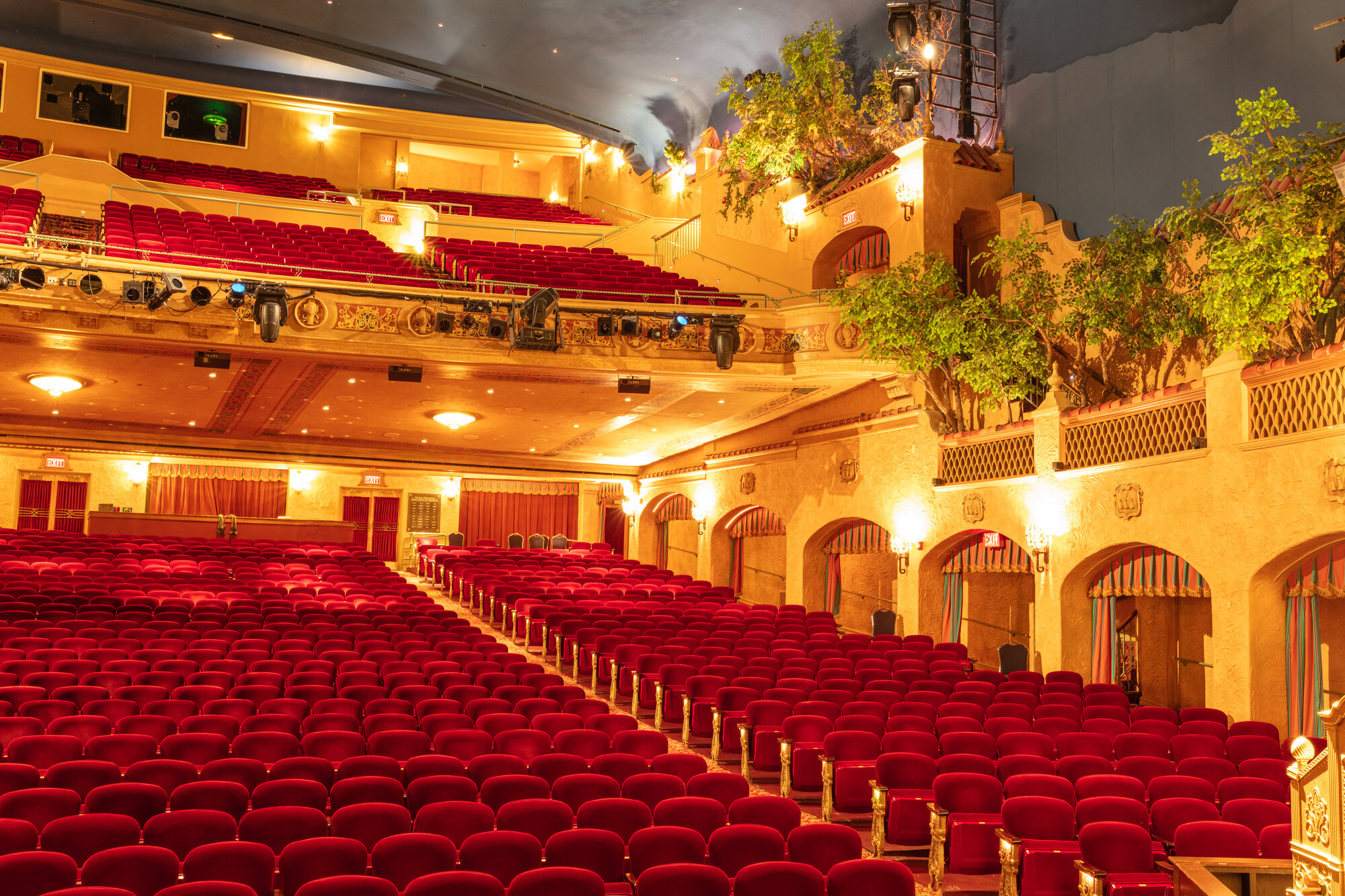
Just blocks away rises the Plaza Theatre, opened in September 1930 as “The Showplace of the Southwest.” Its Spanish Colonial Revival façade—complete with a soaring three‑tiered dome—was meant to impress, but it was the interior’s elaborate ceiling, mosaic tile flooring and the restored Mighty Wurlitzer organ (returned in 1998 after decades away) that wove theatrical glamour into frontier grit. Segregated midnight screenings of Gone With the Wind in 1939 bear witness to El Paso’s complicated social history even as actors like John Wayne and Rita Moreno graced its stage.
Check Out: A Teen’s Guide to the City’s Most Powerful History Lessons
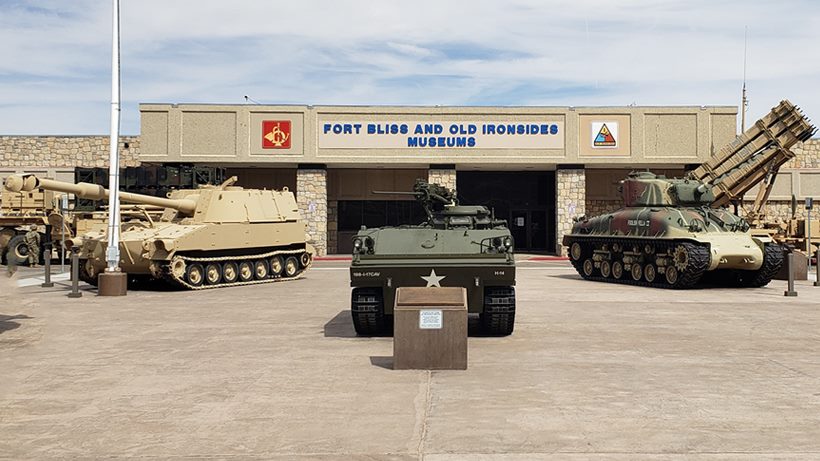
Traveling out of the city, Fort Bliss towers not just in scale but in symbolic weight. Founded formally in 1848 and named in 1854 for Lt. Col. William W. S. Bliss, it anchored El Paso’s military frontier into the 20th century. The adjacent Fort Bliss Museum showcases artefacts spanning cavalry days to World War II armored vehicles—the home base of Texas Rangers and cavalry tasked with defending settlers from Apache and Comanche raids—stitched into broader narratives of borderland authority and expansion.
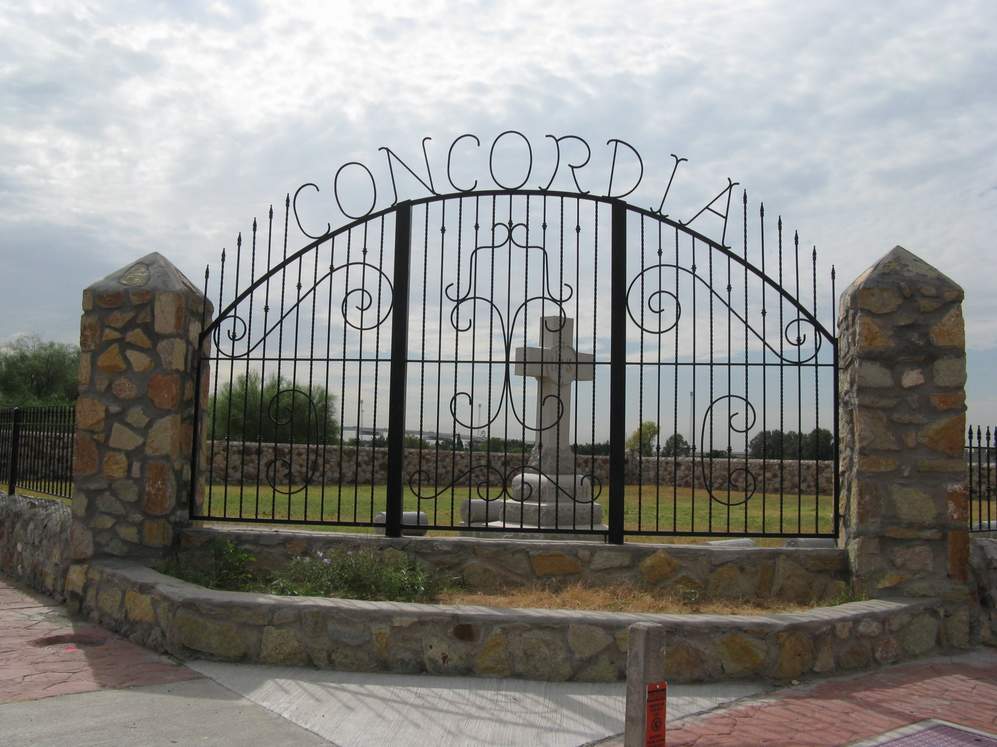
Yet nowhere in El Paso is the specter of Old West myth more literal than in Concordia Cemetery, whose first burial took place in 1856 on what was once Rancho Concordia. Its 60,000‑plus graves—including the unique Chinese cemetery in Texas—bear the names of frontier icons, Buffalo Soldiers, Chinese railroad workers, Mormon pioneers and the notorious outlaw John Wesley Hardin, whose grave is enclosed behind iron bars to deter relic hunters. Ghost tours later born of efforts to maintain the cemetery now weave together legend, lawlessness and lingering apparitions under the desert sky.
Walking from San Jacinto to Concordia Cemetery, one tracks not just geographic space but epochs: territorial militias giving way to vaudeville into haunted obituaries. These landmarks—San Jacinto Plaza, Plaza Theatre, Fort Bliss and Concordia—act as nodes of narrative, each holding stories of settlers, gunfighters, soldiers and stage lights. They shape an El Paso that is frontier and film stage, haunted grounds and ambitions of spectacle. Travelers today sense the convergence of exile and elegance, lawmen and lore, all lingering in adobe and neon.
Check Out: Discover Scenic Dog Trails Around Austin for Quality Time with Your Canine
Sidebar: Related Historical Themes & Experiences
Guided El Paso History Tours
Walks that thread through Old Town, ghost‑and‑gunslinger narratives, trolley‑ride narratives and Mission Trail experiences all offer immersive senses of frontier in situ. Operators like El Paso Ghost Tours and the Paso del Norte Paranormal Society bring dusk‑lit tales in downtown and Concordia.
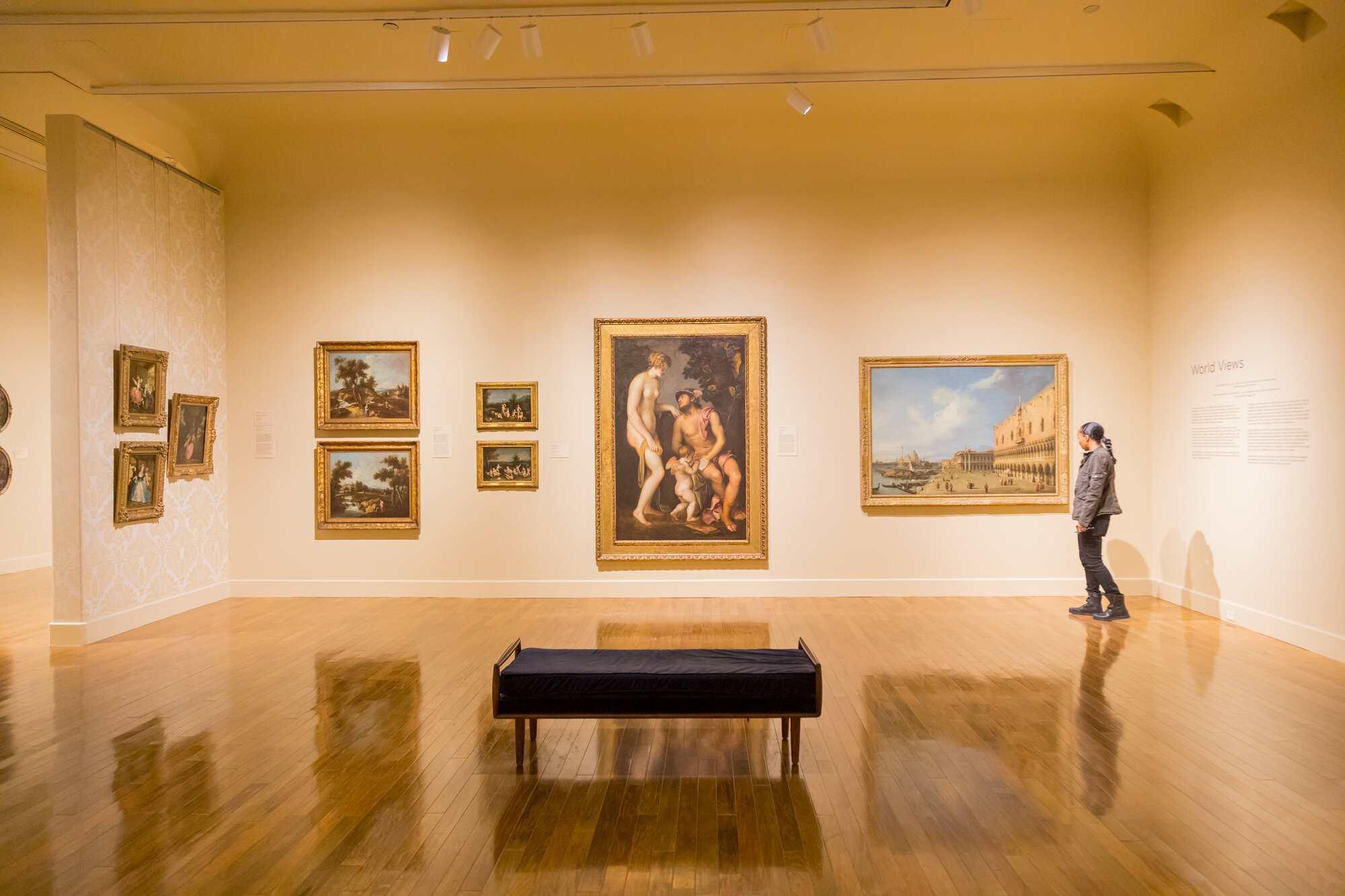
Interactive and Themed Visitor Experiences. At the El Paso Museum of History, the digital wall called DIGIE offers one of only four interactive public memory walls in the world—a touchable archive through four centuries of borderlands stories. Fort Bliss’s Replica Post lets visitors handle tools and peer into period‑replicated blacksmith shops, adobe quarters and sutler stores as living history.
Key Museums Beyond the Old West Lens. In addition to the Museum of History, museums such as the El Paso Museum of Archaeology (which features artifacts spanning 14,000 years) and the Ysleta del Sur Pueblo Cultural Center preserve indigenous and pueblo heritage—complementing Old West narratives with ancient continuity.
