

For teenagers growing up in an era of short-form video and infinite scroll, history can feel distant, static, or locked behind textbook pages.
But in Dallas, history speaks. It shouts, sings, and at times, even whispers directly to young minds who are ready to listen. From presidential legacies to civil rights milestones and human rights education, Dallas offers immersive, unmissable experiences that bring the past alive—and hand its lessons to the next generation.
This isn’t just a tour of museums. It’s a journey through time, truth, and transformation designed for teenagers ready to ask big questions, challenge assumptions, and become leaders in their own right. Whether you’re a student on a field trip, a parent looking for meaning-packed adventures, or a young activist hungry to understand your place in the world, these destinations deliver more than exhibits—they offer revelations.
Let’s take a look.
The Sixth Floor Museum: Kennedy’s Legacy Through the Eyes of a New Generation
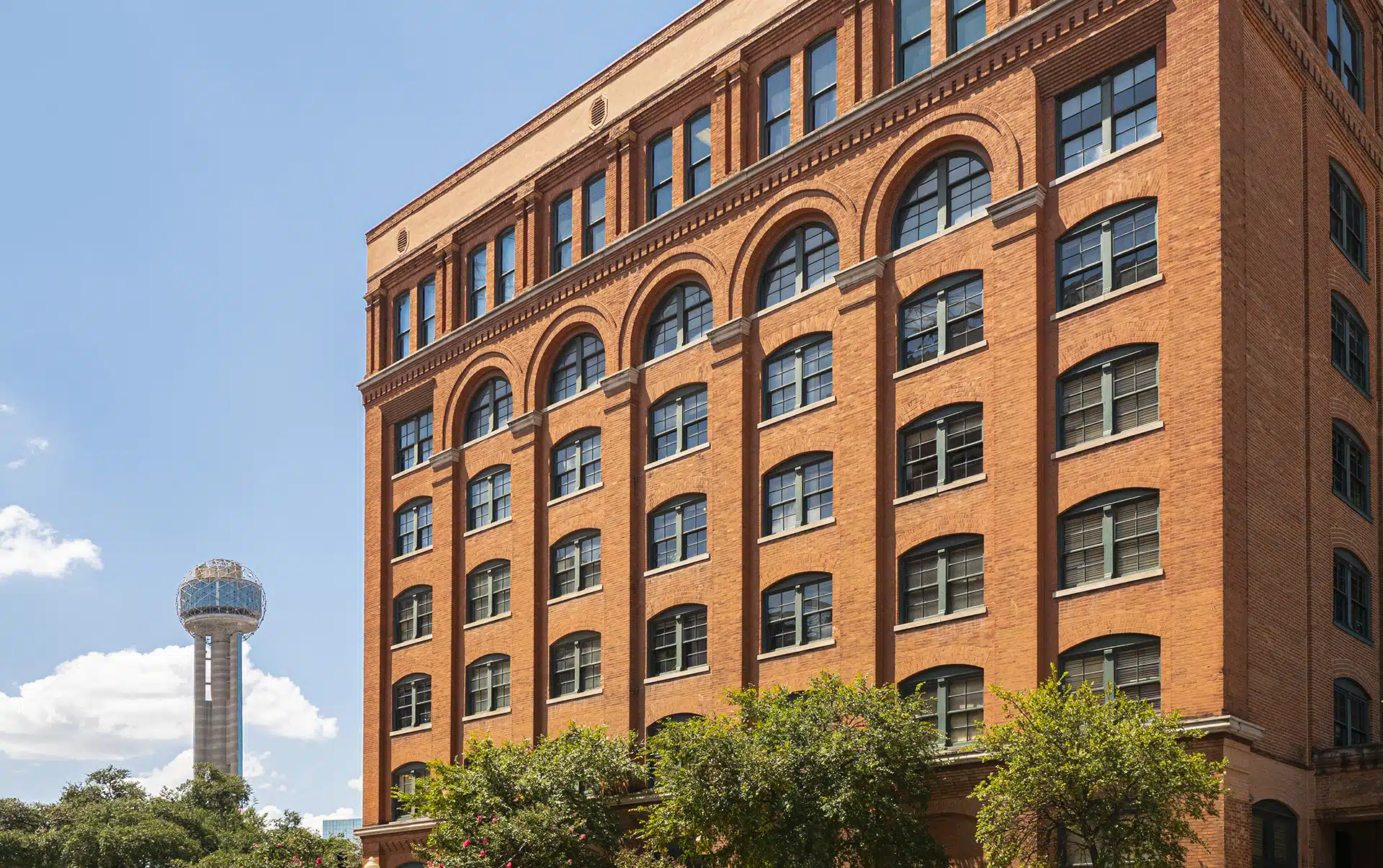
Standing inside the former Texas School Book Depository, the energy is unmistakable. You can almost feel the pulse of history as you enter the Sixth Floor Museum. This space, overlooking Dealey Plaza, is more than a memorial to President John F. Kennedy—it’s a living exploration of power, leadership, and national identity.
Teens visiting the museum are immediately drawn into interactive exhibits that trace JFK’s life, from his campaign trail to his vision for the nation and ultimately to the tragic events of November 22, 1963. But what sets this museum apart is how it turns young visitors into critical thinkers. Touchscreens, video reels, and real artifacts encourage teens to question the narrative. What made JFK so influential to young people? How did his ideas about civil rights evolve over time? And what can we, as the next generation, learn from both his ideals and his flaws?
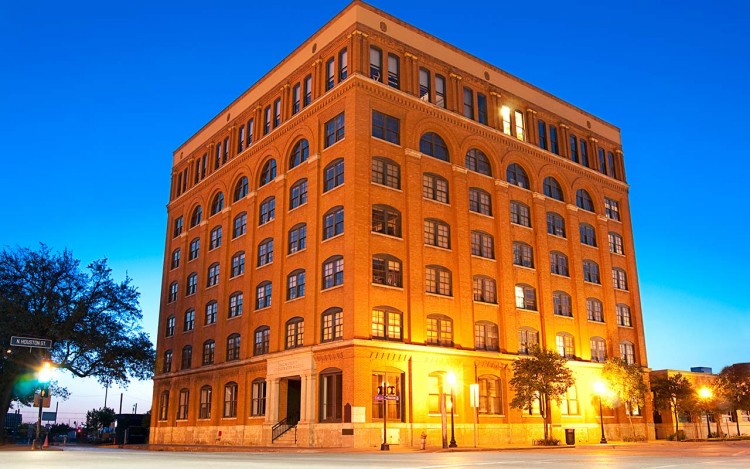
Special youth-oriented tours challenge visitors to think beyond the basics. Instead of just looking at the famous motorcade photo, teens examine the choices behind it. Why that route? Why that timing? Why was Dallas the backdrop for such a seismic event? Guides invite reflection, debate, and even small group discussions about leadership, media, and public memory.
The museum also connects to broader civil rights history. Interactive workshops help teens unpack Kennedy’s increasing support for civil rights legislation. They explore Dallas’s own history with segregation and integration, placing the city—and themselves—at the center of America’s ongoing journey toward equality.
This is history not as something to memorize, but something to engage with. For teens who crave deeper understanding, the Sixth Floor Museum makes sure they leave with more than facts. They leave with perspective.
Dallas Holocaust and Human Rights Museum: Building Courage and Compassion in Young Minds
A short walk from the heart of downtown brings you to one of Dallas’s most transformative spaces: the Dallas Holocaust and Human Rights Museum. Here, teens are not just visitors—they are active participants in a mission to create a more just world.
This museum demonstrates that the weight of the Holocaust can be overwhelming, especially for young people. But it also understands that young people are the perfect audience to carry forward its lessons. That’s why the museum uses art, testimony, and technology to build empathy and action from the ground up.
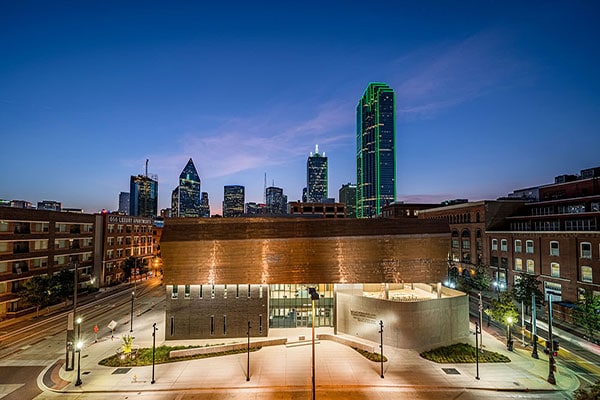
In the holographic theater, teens can have real-time conversations with Holocaust survivors—powered by AI, but grounded in truth. These testimonies are not abstract; they’re visceral. Teens ask questions, hear personal stories of survival and loss, and realize that history is never just in the past. It is carried in voices, in choices, and in the courage to stand up when it’s easier to stay silent.
Workshops like the “Upstander Institute” are tailored specifically for high schoolers. Students explore what it means to confront injustice, whether it’s anti-Semitism, racism, bullying, or apathy. They’re given tools—not just emotional, but practical—to become upstanders in their schools, online communities, and neighborhoods.
The museum’s permanent exhibits span from the Holocaust to modern human rights movements and America’s own struggles with civil liberties. Teens can trace the evolution of justice and injustice, understand the systems that uphold or dismantle them, and begin to see themselves as part of that ongoing narrative.
Community projects, reflective writing, and peer-led discussions round out the experience. The museum doesn’t just show teens history—it challenges them to shape it.
Dealey Plaza: A Living Classroom of Democracy, Memory, and Change
Step outside the Sixth Floor Museum, and you’re in Dealey Plaza—a place where American history changed course in a single moment. But beyond the headlines, Dealey Plaza is also a place of architectural beauty, spatial memory, and deep symbolism.
For teens, this is a chance to walk through history, quite literally. Guided walking tours break down the day JFK was assassinated, not just minute by minute, but layer by layer. Why did the motorcade take that route? What did Dallas look like in 1963? How did the media, government, and public react in real-time?
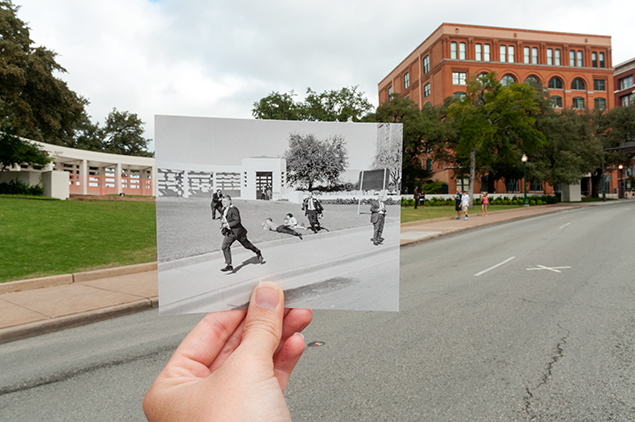
But the real power of Dealey Plaza is how it helps teens connect past and present. Preservation conversations arise organically: Should we preserve places of tragedy? How do physical spaces shape collective memory? How do we honor loss while learning from it?
Many educators encourage students to bring journals and reflect as they walk. Some write poems. Others create digital photo essays or documentaries. The space becomes a blank canvas for emotional and intellectual response. Teens often leave with new insight—not just about JFK, but about how society processes trauma, builds memorials, and moves forward.
It’s not a static monument. It’s a living classroom, where justice, truth, and historical awareness are constantly in motion.
Check Out: The Best of Uptown Dallas + Splash-Worthy Escapes Nearby
Dallas Heritage Village: Step Into the 1800s and Discover the Stories That Built Texas
Imagine being able to walk through an old-time saloon, step inside a Victorian parlor, or help fire up a blacksmith’s forge. At Dallas Heritage Village, teens don’t just study history—they live it.
This immersive open-air museum recreates 19th-century Dallas with stunning attention to detail. But it’s more than cosplay for history buffs. It’s a place where stories come alive—stories of settlers, Indigenous communities, freedmen, immigrants, and working families who helped shape Texas into what it is today.
Teen visitors participate in hands-on activities that challenge them to think critically about the past. What was it like to live without electricity? How did people communicate, travel, protest, or survive in an era before modern medicine or social safety nets? These aren’t just reenactments—they’re provocations.
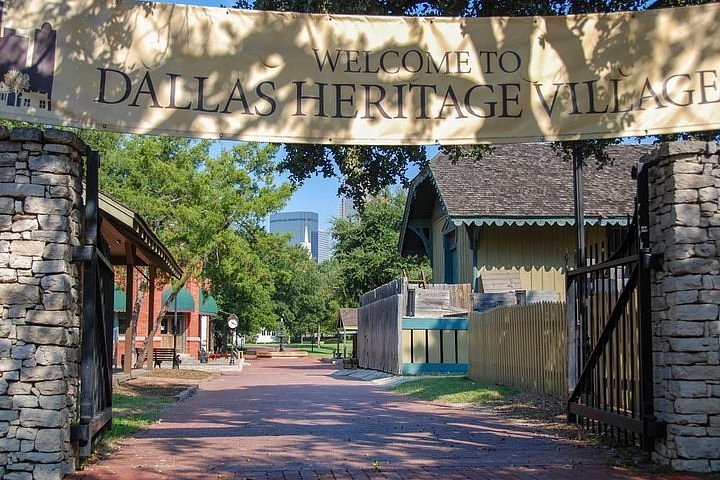
Special programs for teens include guided explorations of Texas identity, storytelling circles with reenactors, and workshops on how culture, race, and labor have evolved over time. In one popular program, students build their own “history maps,” charting family migration stories or neighborhood changes to connect local history to personal roots.
Dallas Heritage Village is the perfect antidote to dry textbook learning. It’s history you can touch, smell, and walk through. And for teens, it’s a space where the past feels urgently, wonderfully real.
George W. Bush Presidential Center: Leadership, Service, and the Next Generation of Change-Makers
On the campus of Southern Methodist University sits the George W. Bush Presidential Center—a place that offers something more rare than artifacts: a chance for teens to understand how leadership works from the inside out.
This museum doesn’t just tell the story of the Bush administration. It asks teens to step into it. Interactive exhibits let students make decisions in simulated crisis rooms, explore presidential policies from different angles, and analyze how the White House communicates in times of chaos.
But the real highlight for young visitors is the center’s emphasis on civic engagement. Workshops, summer camps, and special events help teens understand how government works—and how they can influence it. Whether it’s through environmental stewardship, education advocacy, or voter outreach, students are challenged to think of themselves not just as future leaders, but as present ones.
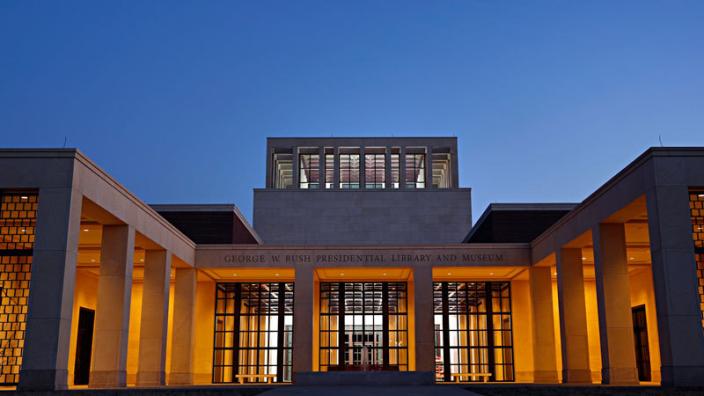
The Decision Points Theater is especially popular. Here, teens are faced with real dilemmas faced by the Bush administration—terrorism, natural disasters, health crises—and must debate what they would do. It’s leadership training disguised as a game, and it leaves a lasting impact.
The center also offers community programs for teens who want to take the next step—starting clubs, launching service projects, or getting involved in local politics. With mentorship from staff and access to national networks, teens walk out not only inspired, but equipped.
Check Out: The Ultimate Family Adventure in South Padre Island
Dallas as a Teen Education Destination
Across Dallas, history isn’t just archived—it’s alive. From the moral urgency of the Holocaust museum to the civic insights of the Bush Center, from the echoing gravity of Dealey Plaza to the time-travel charm of Heritage Village, the city offers teens a chance to make sense of their world through the lens of the past.
These aren’t passive experiences. They’re catalysts. They push teenagers to think critically, act bravely, and step into their role as the future’s decision-makers.
So if you’re a teenager in Dallas—or just visiting—don’t miss this opportunity. These are the places that will challenge you, change you, and help you see the world not just as it is, but as it could be.
Unmissable, unforgettable, and completely built for the next generation—Dallas is where history meets possibility.
