

Texas may not boast a long list of strictly endemic bird species in the continental United States, but its vast and varied landscapes—stretching from Gulf Coast marshes to desert mountains—provide critical habitat for several birds found nowhere else in such consistent numbers. These are species whose breeding ranges are uniquely Texan, or whose most reliable sightings in the U.S. occur within the state’s borders, making them special draws for birders from around the country.
The Lone Star State’s sheer size and geographic diversity create an extraordinary mix of ecosystems. In the piney woods of East Texas, subtropical species from the Southeast mingle with migrants from the north. In the far south, the Lower Rio Grande Valley acts as a gateway for tropical birds that rarely venture beyond Mexico. Out west, the Chihuahuan Desert and isolated mountain ranges shelter species with ranges more typical of northern Mexico than the United States.
For birdwatchers, these conditions mean that certain species become “Texas specialties”—birds you can find more easily here than anywhere else in the nation.
In some cases, the state harbors the only U.S. breeding grounds for a species; in others, Texas provides the most accessible or consistent opportunity to see birds that elsewhere are only rare visitors.
Whether you’re scanning the mesquite scrub for an elusive desert songbird, watching the skies for a soaring raptor found only in the far southwest, or lingering in a shaded riparian corridor where a flash of exotic color betrays a tropical migrant, Texas offers encounters you simply can’t replicate in other states.
Here are seven such species—birds that capture the essence of Texas birding, each with its own preferred habitat, seasonal rhythms, and story. Seek them out, and you’ll discover why Texas holds such a revered place in the world of birdwatching.
1. Golden-cheeked Warbler
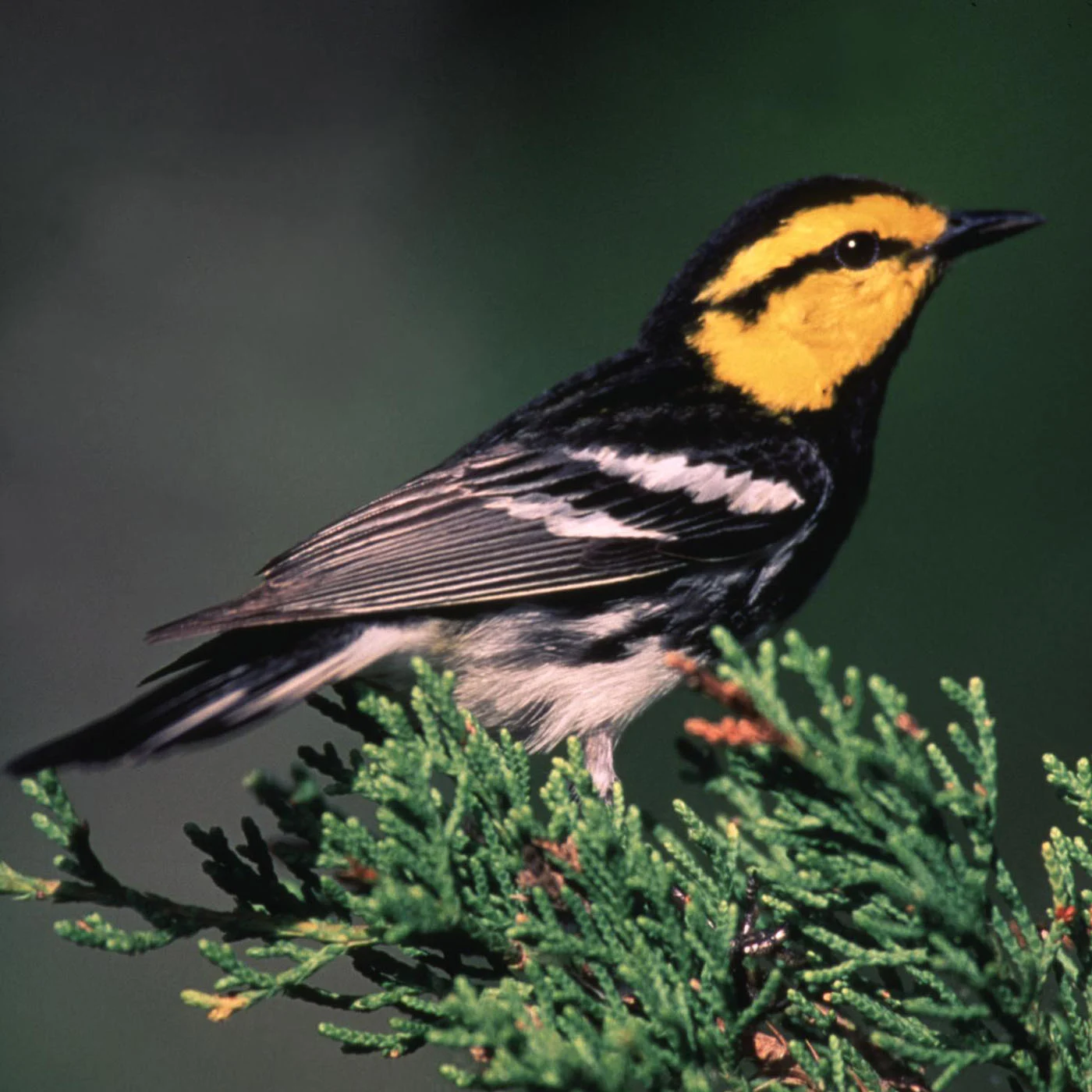
The golden-cheeked warbler is the only bird species that nests exclusively in Texas, making it a true Texan specialty. These striking songbirds, recognized by their bright yellow cheeks, black throat, and buzzy song, breed in mature juniper–oak woodlands across 33 counties in central Texas—from Palo Pinto to Kinney County

Where to see them: Head to state parks such as Balcones Canyonlands, Lost Maples, or Pedernales Falls to catch their spring/summer appearance.
Conservation note: Listed as endangered, their survival depends on preserving juniper–oak habitat.
2. Attwater’s Prairie-Chicken
A critically endangered creature with a flamboyant “boom” courtship display, the Attwater’s prairie‑chicken occurs only in coastal Texas and was once far more widespread.
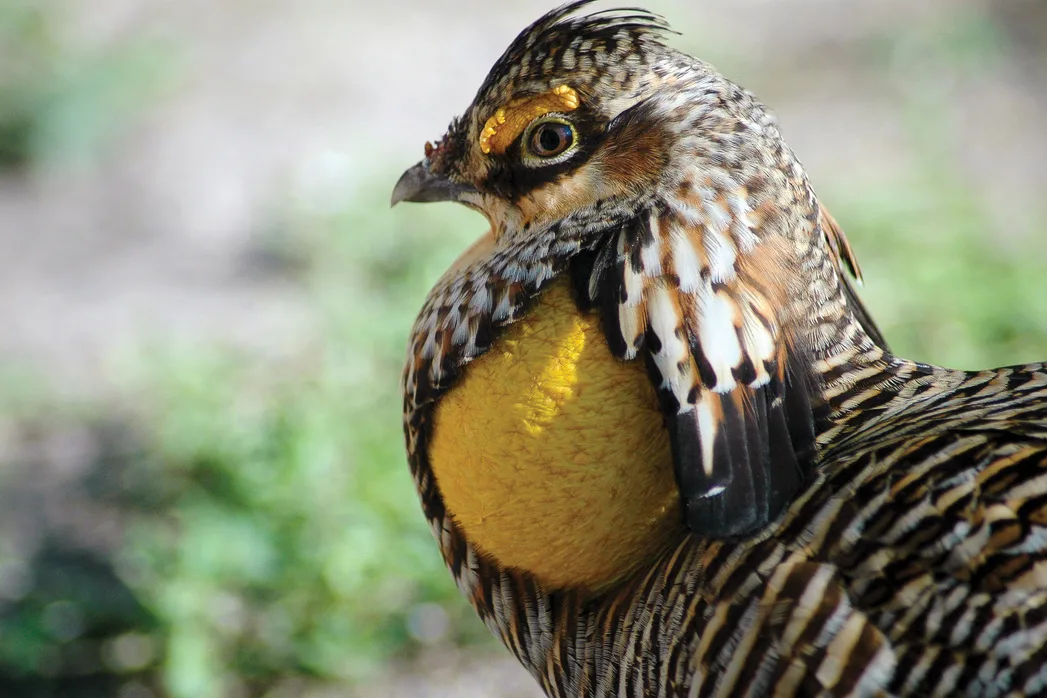
Where to see them: The best hope lies at the Attwater Prairie Chicken National Wildlife Refuge, near Eagle Lake, as well as select private lands in Goliad County.
Conservation note: With wild populations often under 100, many sightings now come from carefully managed refuges and captive-breeding releases.
3. Long-billed Thrasher
The long-billed thrasher inhabits dense thorn-forest and riparian thickets of South Texas and eastern Mexico. Though its range extends marginally into Mexico, it’s most commonly found—and easiest to observe—in the Rio Grande Valley.
Where to see them: Explore sites like Laguna Atascosa National Wildlife Refuge or local World Birding Center locations (e.g., Edinburg) to spot this distinctive brown thrasher.
4. Couch’s Kingbird
Couch’s kingbird favors wooded habitats along the Gulf Coast and the lower Rio Grande Valley and is most reliably seen in southern Texas. Its appearance is similar to the tropical and Cassin’s kingbirds, but it is best recognized by location and call.
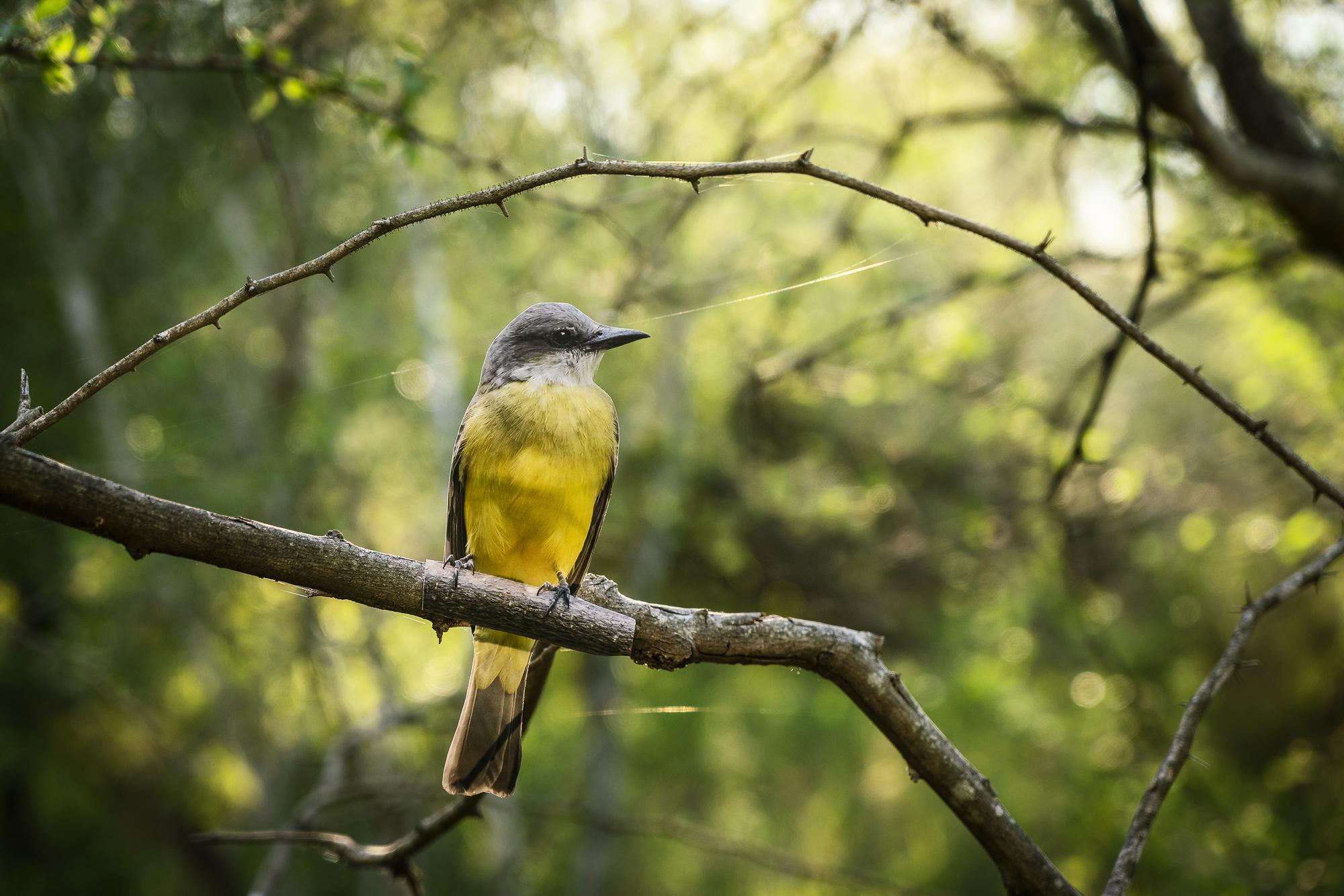
Where to see them: Check out forested backyards or parks near Brownsville or Harlingen—especially along wooded edges where they hunt insects.
5. Crissal Thrasher
The crissal thrasher resides in dense brush and mesquite-scrub of West and South Texas. With its curved bill and shy nature, spotting one often becomes a rewarding challenge.
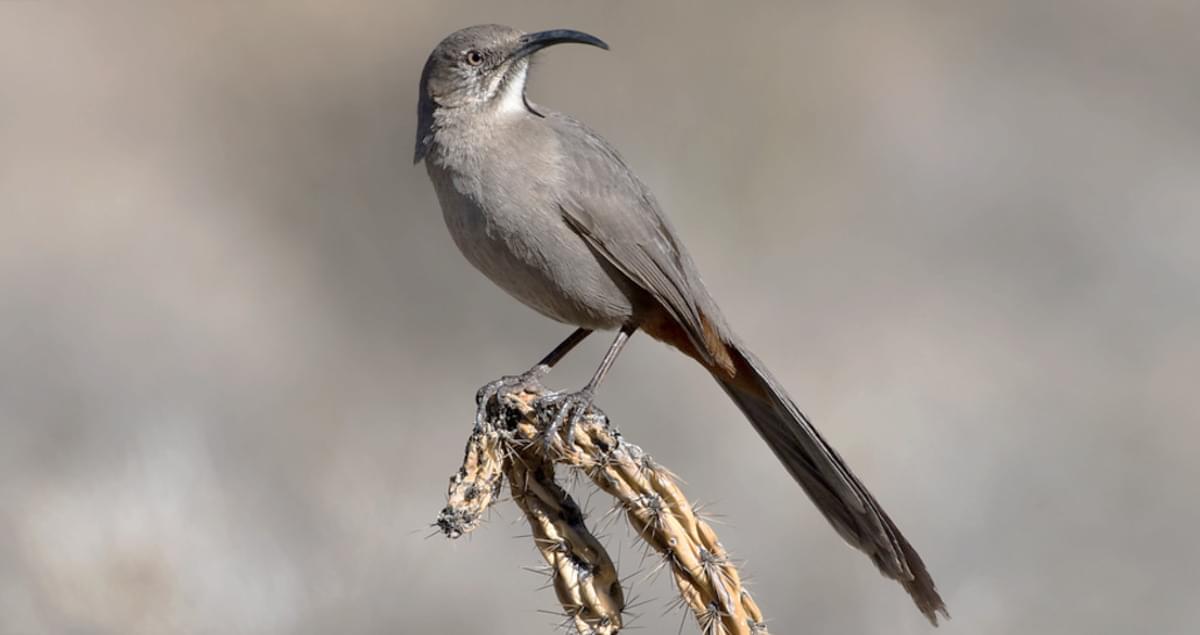
Where to see them: Birdwatching hotspots such as Big Bend National Park and scrublands near the Chihuahuan Desert edges often provide glimpses.
Check Out: Houston Adventures with Kids: Museums, Parks, and Giant Giraffes
6. Black-capped Vireo
While not entirely limited to Texas, the black‑capped vireo finds a significant portion of its breeding grounds in the Texas Hill Country. Often associated with scrub-oak habitats, its presence is patchy but reliable during breeding season.
Where to see them: The Balcones Canyonlands and Lost Maples areas in central Texas are notable for offering guided tours and habitat protection for this species.
7. Great-tailed Grackle
Not endemic, but the great-tailed grackle is a uniquely Texan sight—especially in urban and suburban areas across the state. Large flocks often gather in supermarket parking lots, attracted to light posts and easy food scraps.
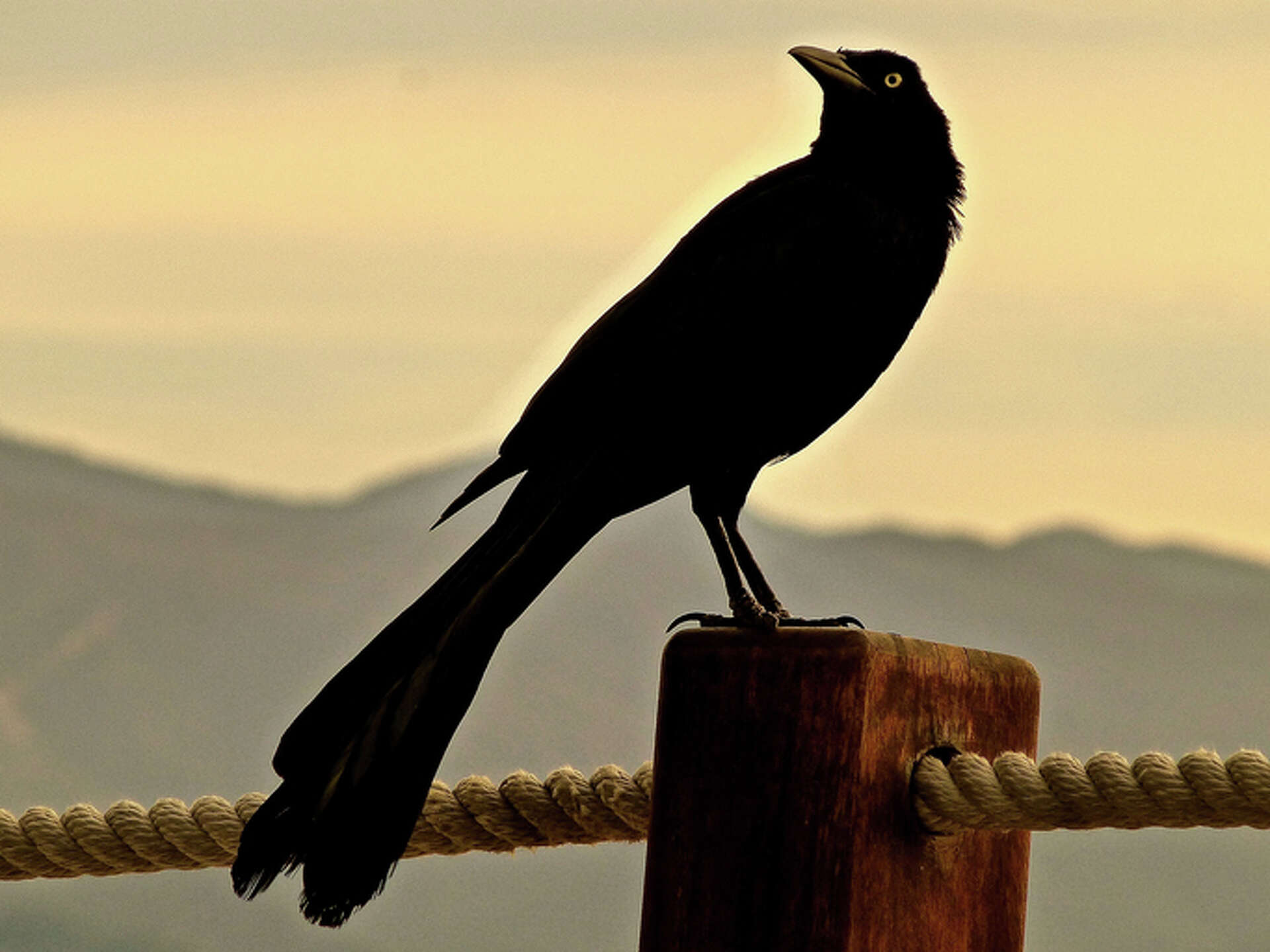
Where to see them: Anywhere with a parking lot and fast-food access—San Antonio, Dallas, Houston suburbs all offer amusing grub-hunting opportunities.
Why These Birds Matter
The golden-cheeked warbler and Attwater’s prairie-chicken are conservation icons—protecting them helps preserve critical grassland and woodland ecosystems.
Species such as Couch’s kingbird, long-billed thrasher, and crissal thrasher offer birders a distinct slice of South Texas biodiversity, often represented in bird lists from the Lower Rio Grande Valley hotspots.
Observing great-tailed grackles might not be rare—but their social, sometimes noisy, gathering behavior in urban Texas is uniquely entertaining.
Check Out: Museums, Parks & Hidden Stories: These are Sugar Land’s Cultural Sweet Spots
Get out those binaculars!
Texas is far more than its famous mockingbird—it’s a mosaic of habitats that host rare specialties found nowhere else in the United States. So grab a friend and head out to the wilds of Texas this weekend!
