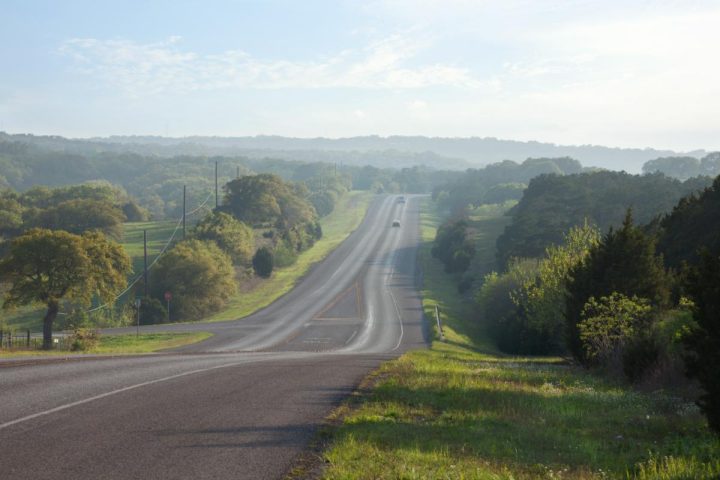

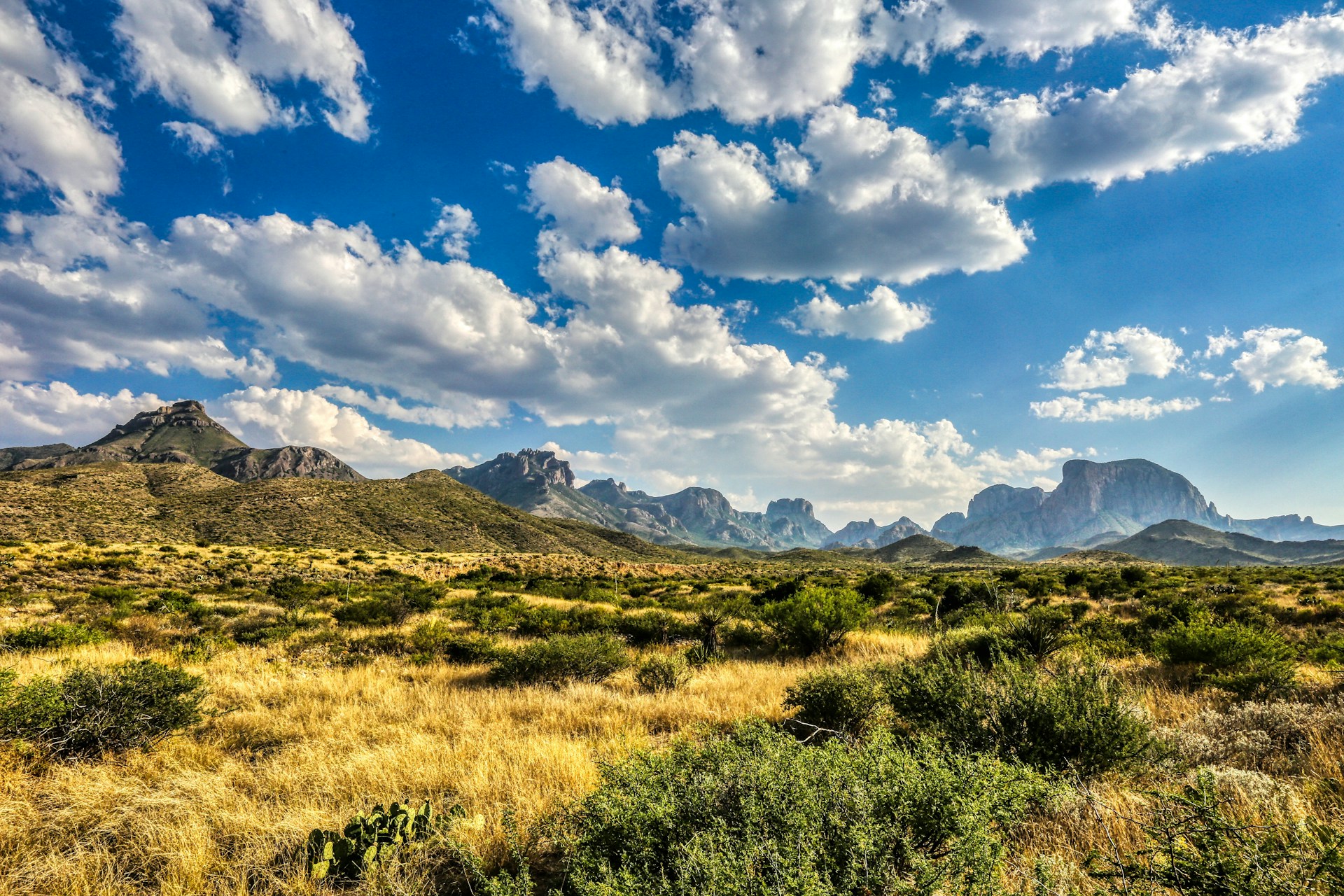
Texas is bigger than the stereotypes: beyond brisket and big hats lies an ecological kaleidoscope—from pine forests dripping with Spanish moss to desert peaks where black bears are staging a comeback.
Want logistics fast? Jump to the Seasonal Playbook or skip ahead to the Gear & Prep Checklist.
Eco-Regions at a Glance
- Piney Woods (East Texas): Lush forests, bayous, spring wildflowers—think Louisiana vibes with Texas accents.
- Hill Country (Central Texas): Limestone canyons, bluebonnet fields, swimming holes, and dark-sky towns.
- Edwards Plateau & West Texas: Desert-meets-mountain, rugged hikes, star-studded skies, surprising biodiversity.
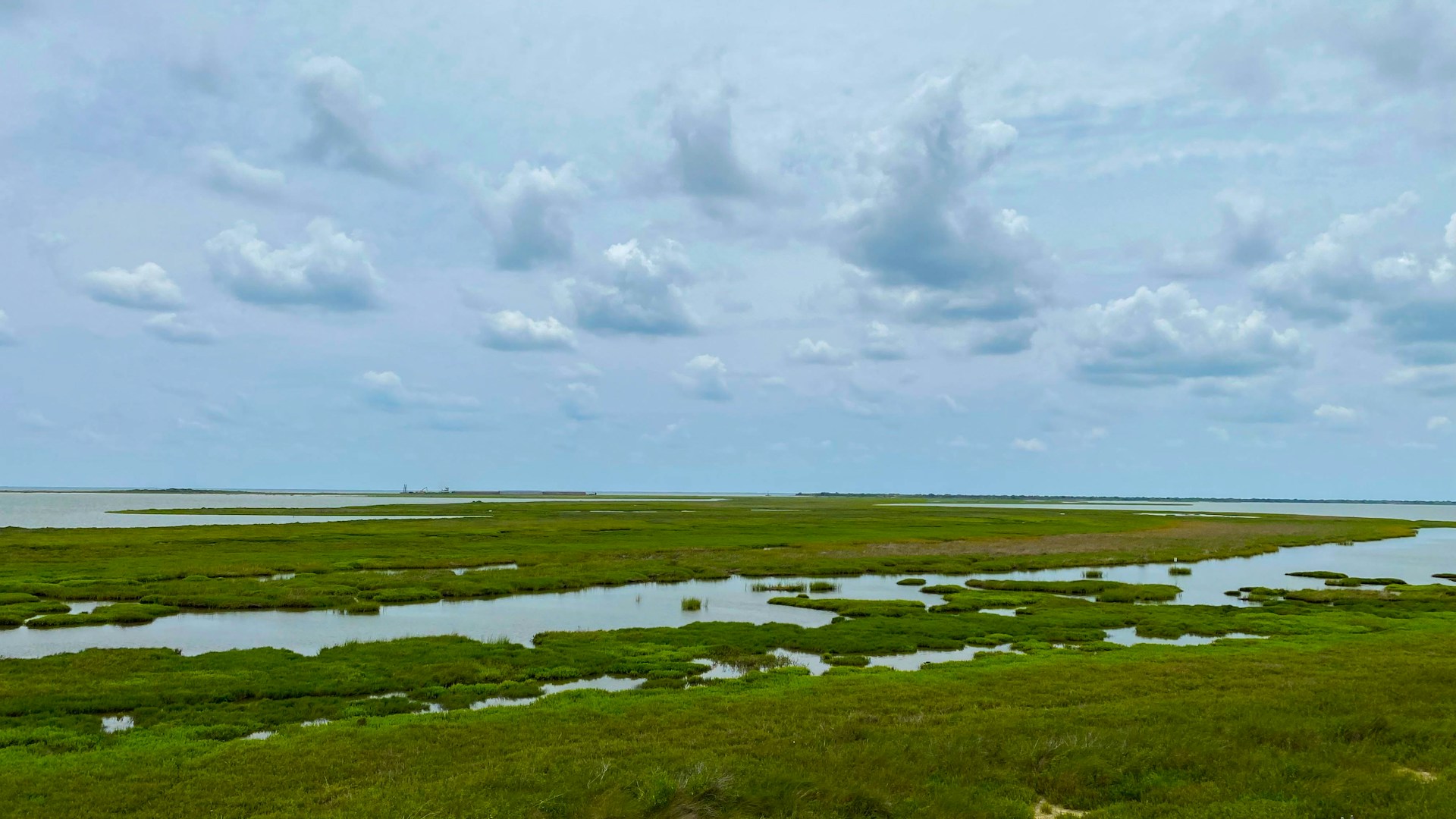
- South Texas & Gulf Coast: Coastal marshes, migratory bird flyways, sea turtles, subtropical breezes.
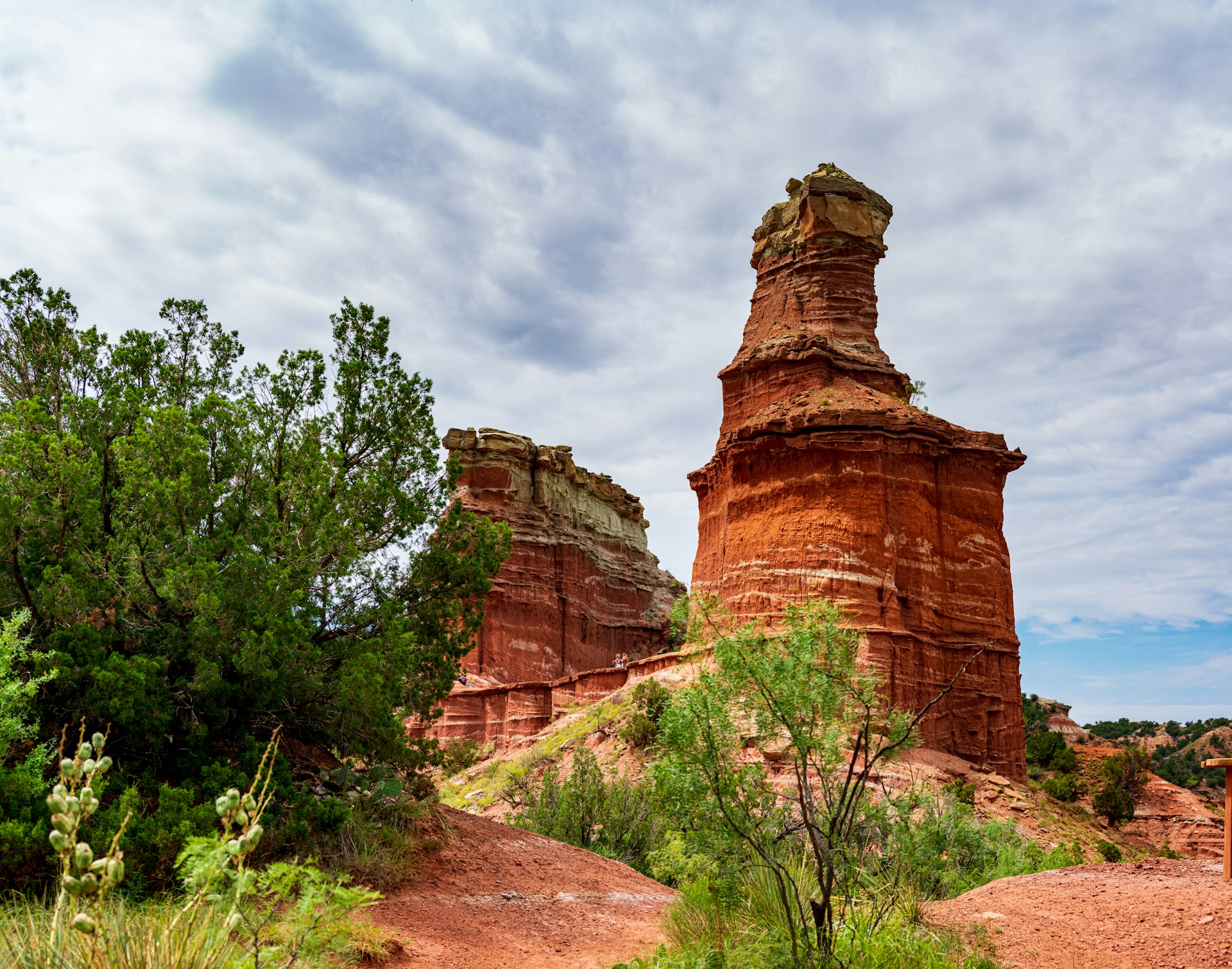
- Panhandle Plains: Dramatic canyons, prairie dogs, and massive weather fronts.
Knowing the eco-region helps you prep for temps, wildlife, and terrain.
Anchor Destinations & Why They Matter
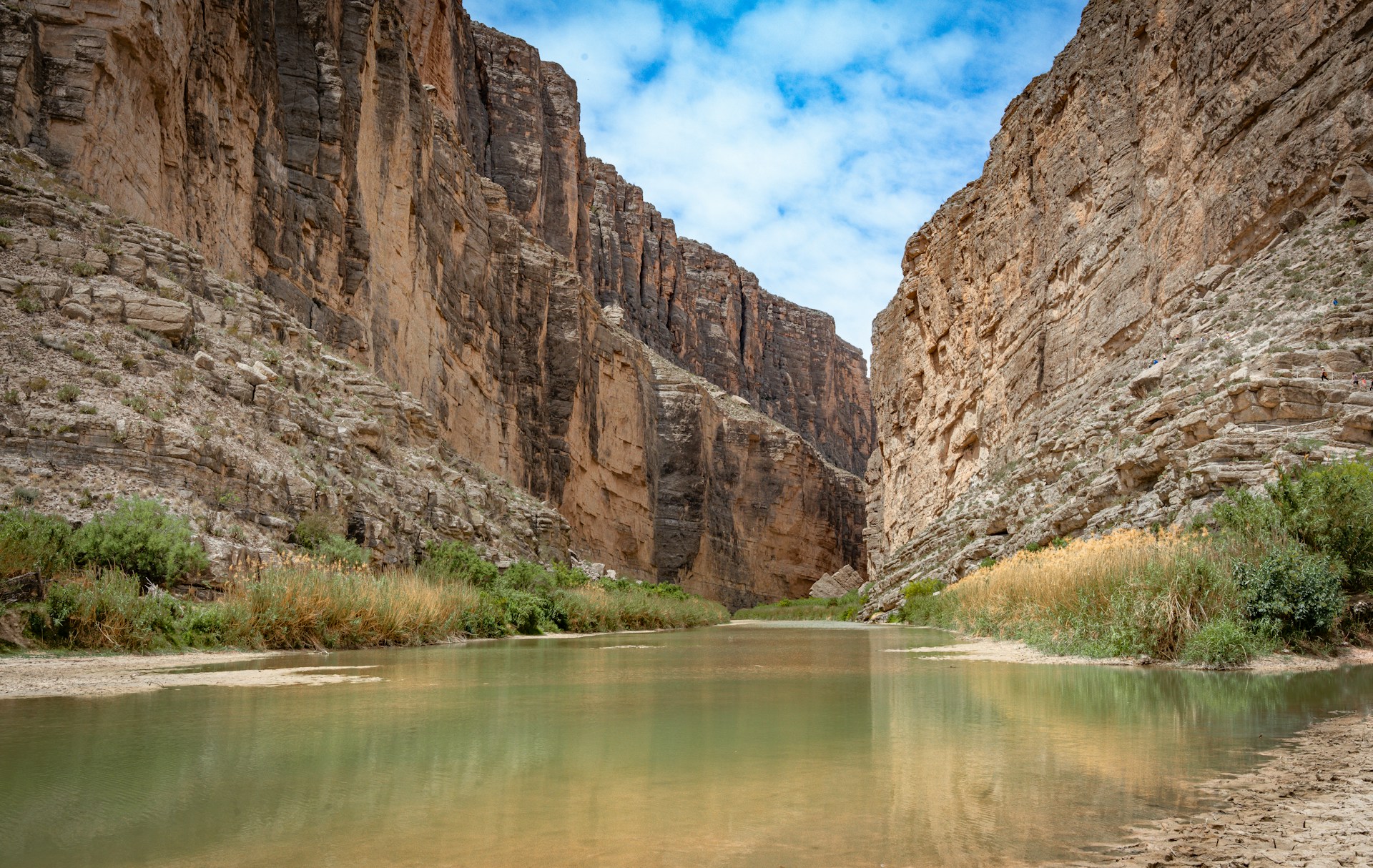
- Big Bend National Park & Big Bend Ranch State Park (West Texas): Chisos Mountains, Santa Elena Canyon, Rio Grande hot springs, unrivaled dark skies.
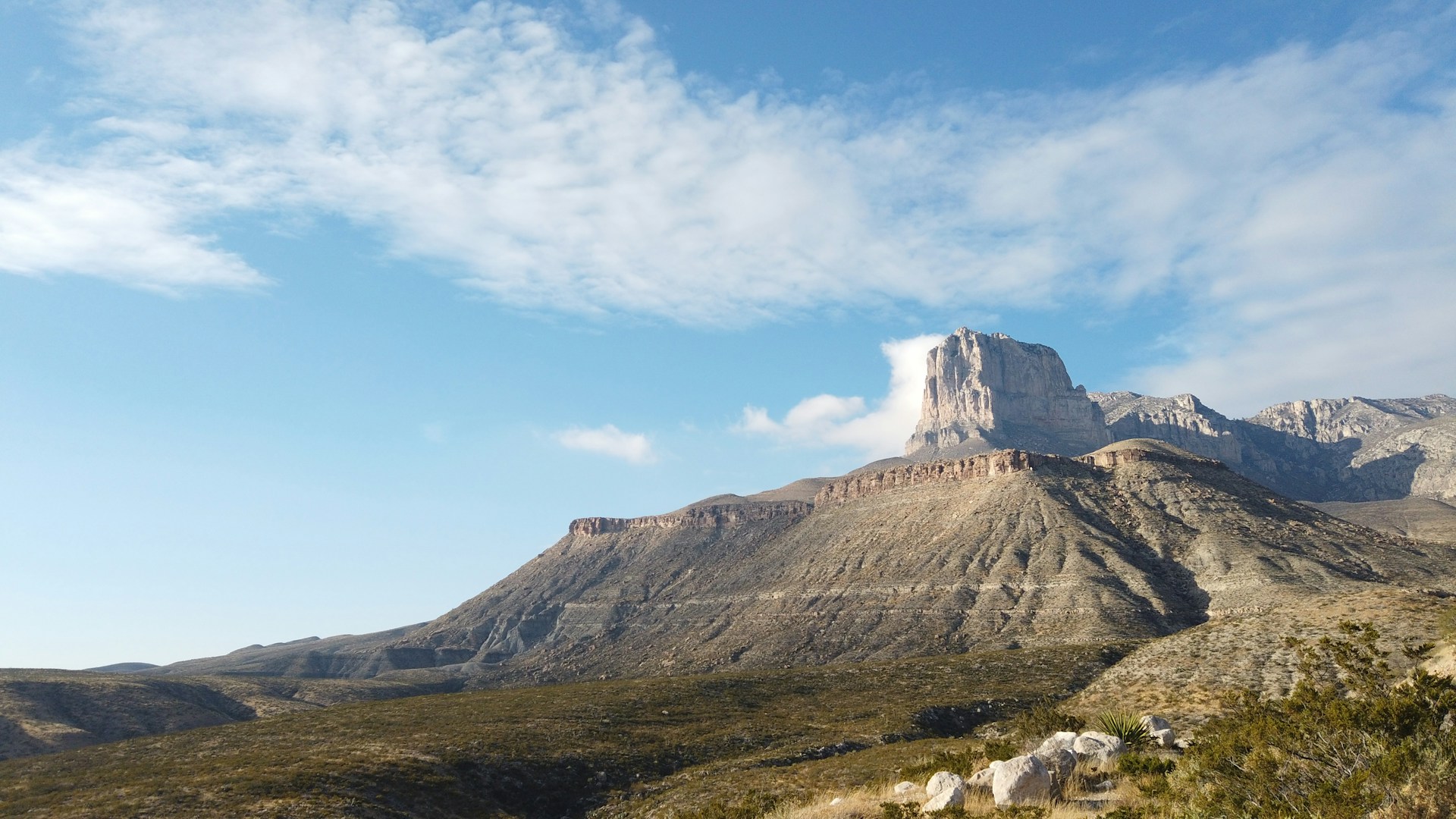
- Guadalupe Mountains National Park (West Texas): Highest point in Texas, fossil reef geology, fall foliage in McKittrick Canyon.
- Hill Country State Natural Areas (Central Texas): Enchanted Rock, Pedernales Falls, Lost Maples for granite domes, swimming holes, and maple foliage.
- Gulf Coast Birding Loop (South Texas): Aransas National Wildlife Refuge, Padre Island National Seashore, and Anahuac National Wildlife Refuge for whooping cranes, sea turtles, and migratory bird festivals.
- East Texas Piney Woods: Caddo Lake, Sam Houston National Forest, and Big Thicket—bald cypress swamps, paddling trails, and carnivorous plants.
- Panhandle Gems: Palo Duro Canyon and Caprock Canyons—often called the “Grand Canyon of Texas”—plus bison herds and sunset amphitheater shows.
Seasonal Playbook
- Winter (Dec–Feb): Perfect for Big Bend hikes, whooping crane boat tours, and campfires without melting. Pack layers—desert nights can drop below freezing.
- Spring (Mar–May): Wildflower explosions, Gulf Coast bird migrations, and Hill Country storms that light up the sky.
- Summer (Jun–Aug): Plan dawn and dusk hikes, reserve swimming holes like Hamilton Pool and Balmorhea, or head to higher elevations in the Guadalupe Mountains.
- Fall (Sep–Nov): Lost Maples foliage, monarch migration along I-35, and crisp temperatures across North and West Texas. Cabins book early.
Wildlife Highlights & Conservation Notes
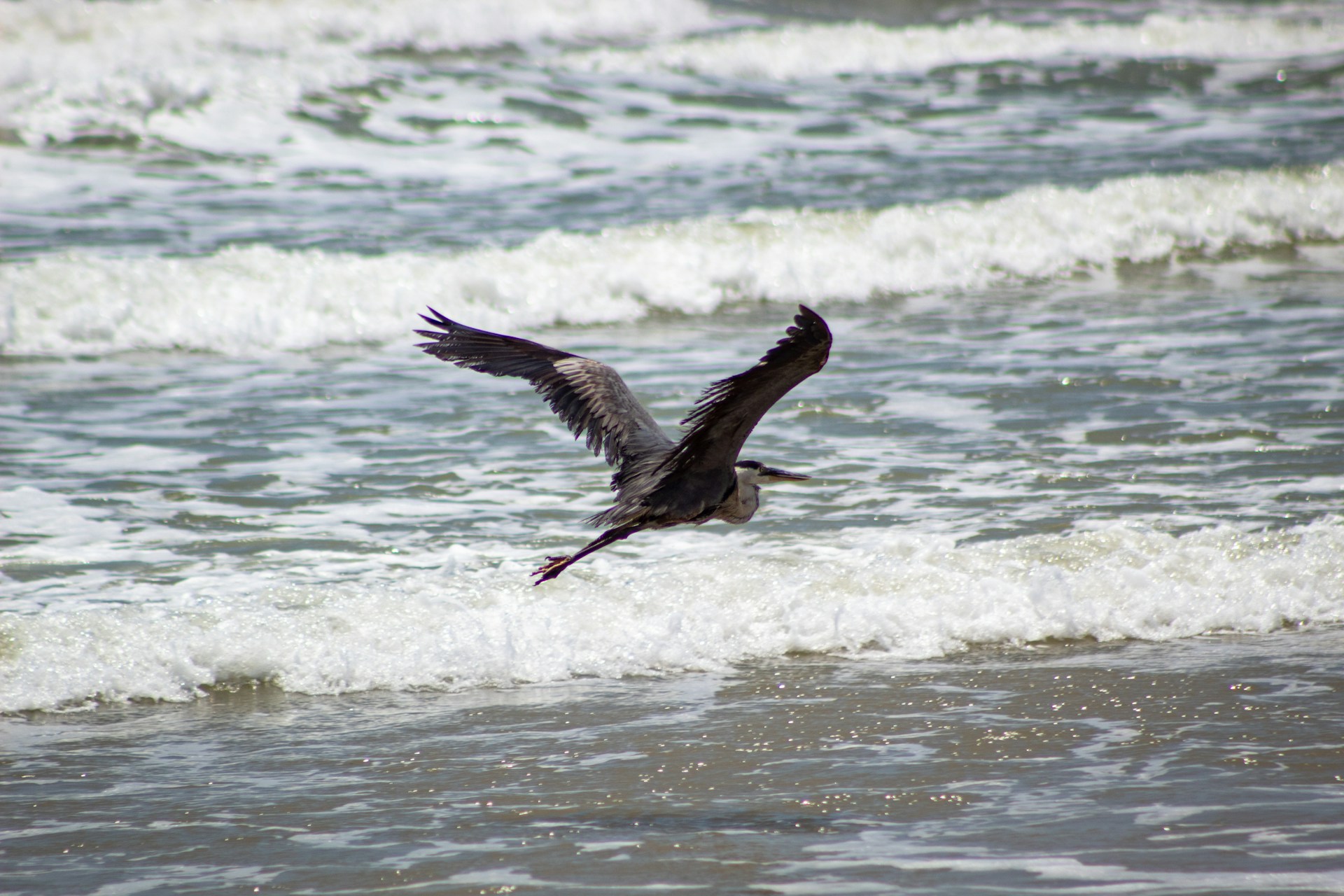
- Whooping Cranes (Aransas National Wildlife Refuge, winter): Book quiet boat tours and avoid drones or loud music.
- Mexican Free-Tailed Bats (Austin’s Congress Avenue Bridge and Bracken Cave): Arrive early, keep camera flashes off, and respect roped-off areas.
- Pronghorn & Bison (Caprock Canyons, Panhandle): Observe from vehicles or with long lenses. Roads can flood quickly.
- Black Bears (Big Bend backcountry): Store food in bear boxes and report sightings. Populations are steadily rebounding.
- Kemp’s Ridley Sea Turtles (Padre Island National Seashore): Volunteer for hatchling patrols and use red-filter lights when appropriate.
Practical Tips for New Explorers
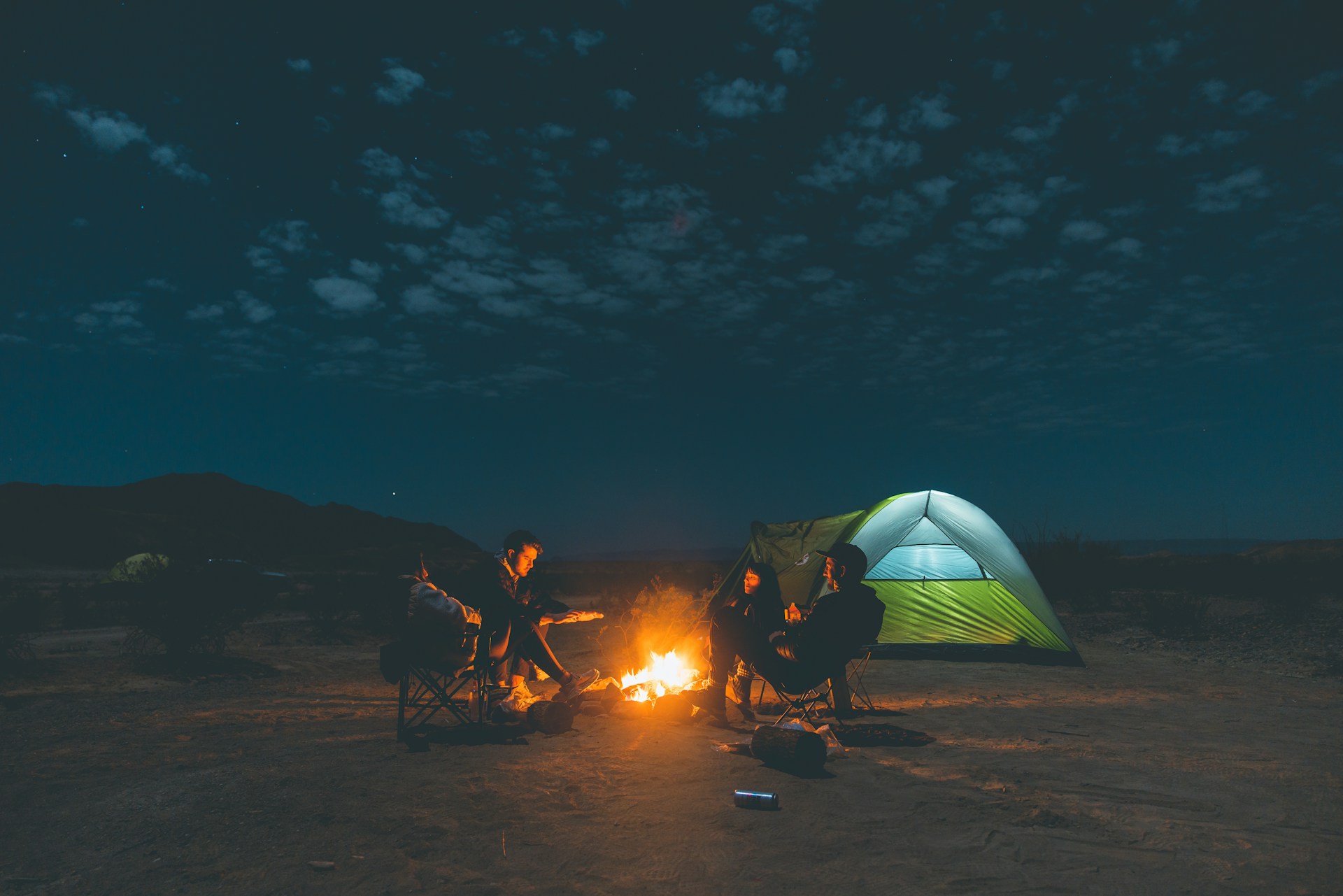
- Permits & Reservations: High-demand parks like Enchanted Rock and Guadalupe Peak require day-use reservations. Campsites can be reserved through the Texas Parks & Wildlife Department.
- Heat & Hydration: Carry 3–4 liters of water per person on desert hikes, pack electrolytes, and plan midday breaks.
- Road Logistics: Texas distances are huge. Fuel up often and download offline maps before visiting remote areas.
- Leave No Trace: Stay on designated trails, pack out trash, and avoid damaging plants or rock formations.
- Guided Programs: Ranger-led hikes, McDonald Observatory star parties, and the Rio Grande Valley Birding Festival offer expert insight.
- Accessibility: Many parks feature wheelchair-friendly overlooks and trails. Check accessibility information before visiting.
Sample 7-Day Nature Nerd Itinerary
Days 1–2: Austin & Hill Country
Barton Springs at sunrise, a Pedernales Falls hike, and an Enchanted Rock night-sky experience.
Days 3–4: Transfer to West Texas
Stop in Fredericksburg for coffee and farm stands, overnight in Alpine or Marathon, then explore the Window Trail and Santa Elena Canyon.
Day 5: Big Bend Ranch State Park
Choose between backcountry jeep routes, Rio Grande rafting, or an astrophotography workshop.
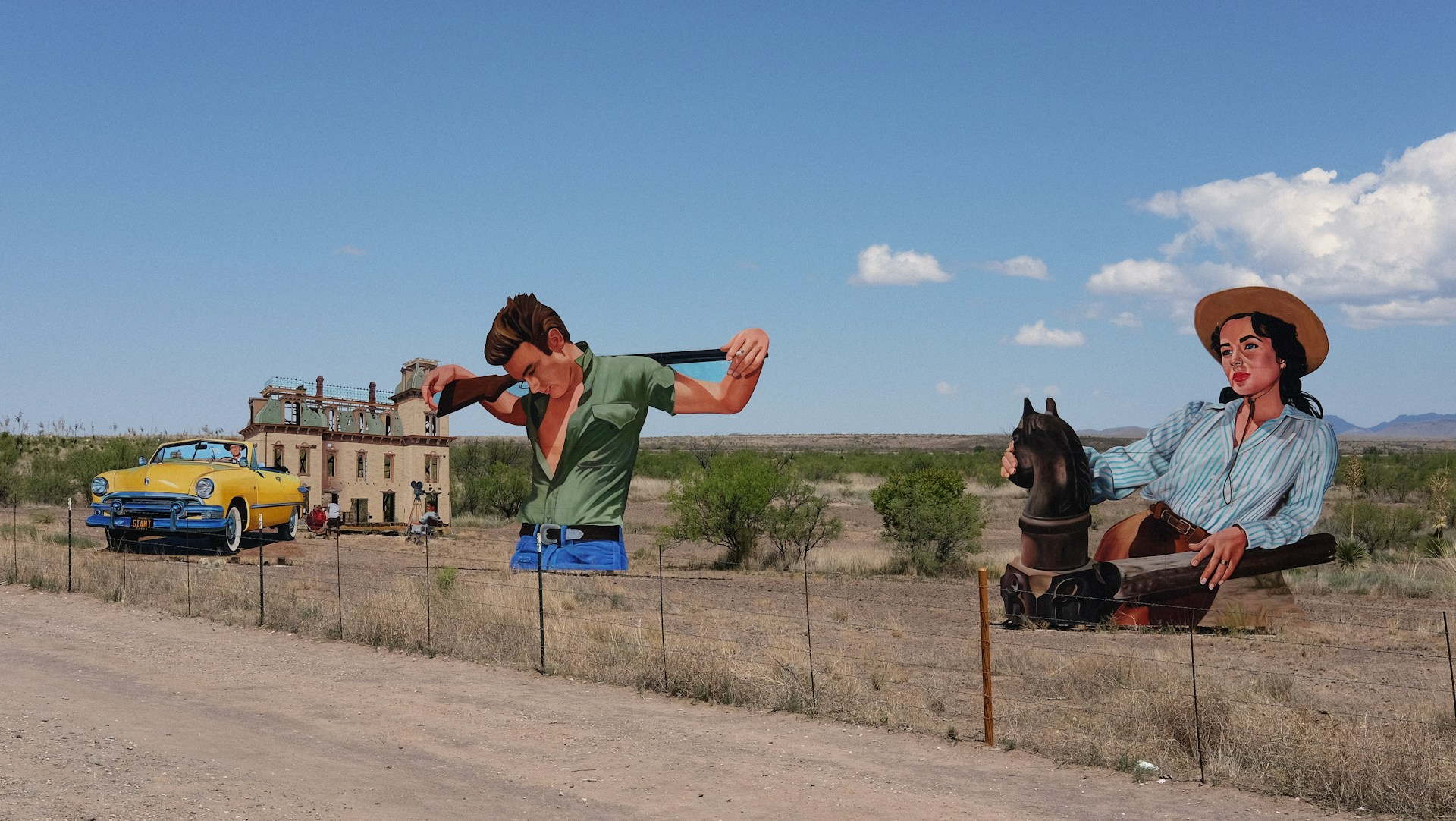
Day 6: Marfa & Davis Mountains
Visit the Chihuahuan Desert Nature Center, attend a McDonald Observatory star party, and watch for javelinas in Davis Mountains State Park.
Day 7: Gulf Coast Detour
Head toward Corpus Christi for a Padre Island sea turtle release in summer or an Aransas wildlife boat tour in winter.
Gear & Prep Checklist
-
- CamelBak M.U.L.E. Hydration Pack – A reliable hydration pack for long hikes in Texas heat.
- Liquid I.V. Hydration Multiplier – Electrolyte packets that help replenish fluids during hot-weather adventures.
- Columbia Bora Bora Booney Hat – Lightweight sun protection for trails, beaches, and desert landscapes.
- Sawyer Picaridin Insect Repellent – Effective protection against mosquitoes and ticks without the strong odor of DEET.
- Nikon PROSTAFF P7 8×42 Binoculars – Ideal for birding, wildlife watching, and scenic overlooks.
- Black Diamond Spot Headlamp – A camping essential for stargazing, night hikes, and setting up camp after sunset.
- Adventure Medical Kits Ultralight First Aid Kit – Compact emergency supplies for day hikes and camping trips.
Respecting the Land & Local Communities
- Support local guides, Indigenous artisans, and small-town businesses.
- Learn a few basic Spanish phrases in border regions—courtesy goes a long way.
- Visit interpretive centers to understand local history, Indigenous cultures, and ranching traditions.
- Stay wildfire-aware by following burn bans and practicing safe camping habits.
Sources & Further Reading
- Texas Parks & Wildlife Department – State park reservations, day-use limits, and Texas State Parks Pass information.
- National Park Service – Big Bend National Park – Trail updates and safety advisories.
- McDonald Observatory – Star party schedules, ticket information, and dark-sky etiquette.
Texas rewards curiosity. Whether you’re counting warblers along the Gulf Coast, hiking fossil reefs in the desert, or listening for coyotes beneath Hill Country stars, the biodiversity keeps unfolding. Start with the destinations above, stay flexible with weather conditions, and leave room for detours—there’s always another state park or wildlife refuge waiting just beyond the next bend.
Disclosure: Some links on this page may be affiliate links. If you make a purchase through these links, A Texas Guide may earn a small commission at no additional cost to you. We only recommend products and services we believe can enhance your Texas adventures. Thank you for supporting our work and helping us continue sharing travel inspiration across the Lone Star State.