

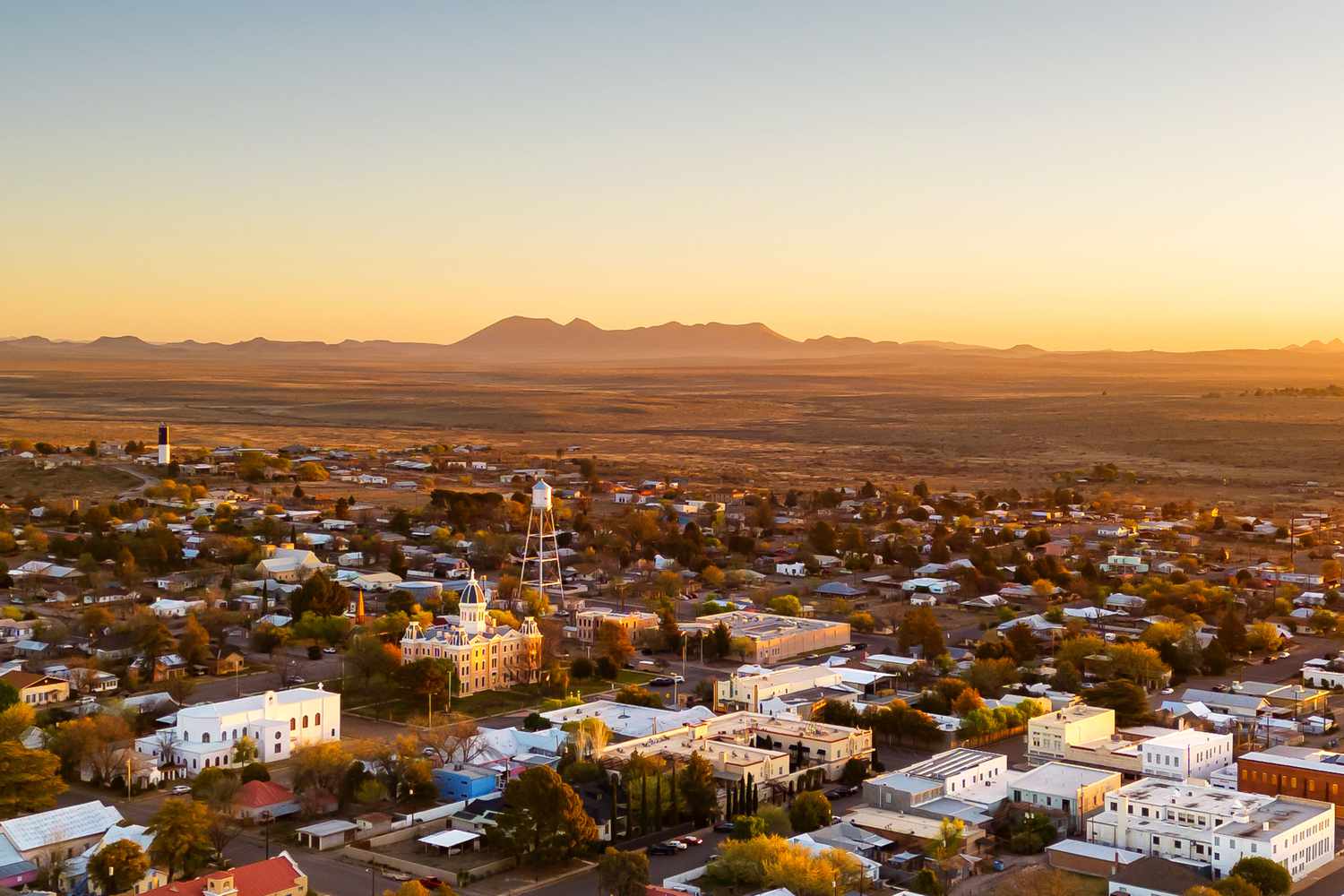
There’s something about Texas — the vastness, the light, the contradiction of wild beauty and urban grit — that makes it irresistible to filmmakers.
From dusty deserts to neon-lit highways, sleepy towns to roaring oil fields, the Lone Star State has served as the backdrop for some of the most iconic films in American cinema. But these movies didn’t just use Texas for atmosphere — they captured its soul.
Whether you’re a cinephile, road tripper, or history buff, following in the footsteps of these legendary productions offers a uniquely Texan way to explore the state. Here are five of the most iconic films ever shot in Texas — and what you can still see, feel, and experience if you visit their filming locations today.
1. Giant (1956) – Marfa, West Texas
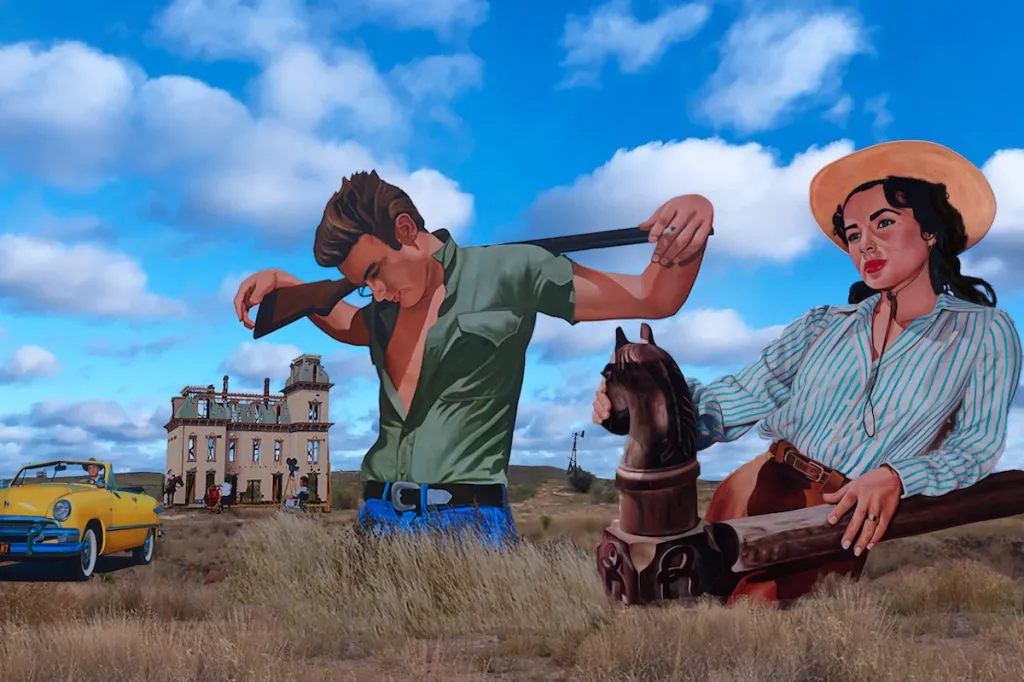
When it comes to Texas epics, Giant reigns supreme. Starring Elizabeth Taylor, Rock Hudson, and James Dean in his final role, this sprawling, multi-generational saga captured the mythology of Texas oil wealth, ranching life, and the tensions of a changing South. The film was adapted from Edna Ferber’s novel and shot primarily in and around the remote town of Marfa, deep in the high desert of West Texas.
Giant put Marfa on the cinematic map, but today the town is just as famous for its thriving art scene and mysterious lights. You can still visit the ruins of the “Reata” mansion façade, located on private land just outside town, viewable from the roadside. The surrounding landscapes — endless plains, rolling mountains, and Technicolor skies — remain largely unchanged since the 1950s. It’s easy to see why George Stevens chose this dramatic setting for his masterpiece.
While in Marfa, stay at the Hotel Paisano, where the cast lived during filming, and check out the Marfa Lights Viewing Area for a little local mystery. Don’t miss the Chinati Foundation if you want a dose of contemporary art to balance out your classic film pilgrimage.
2. The Texas Chain Saw Massacre (1974) – Round Rock and Bastrop
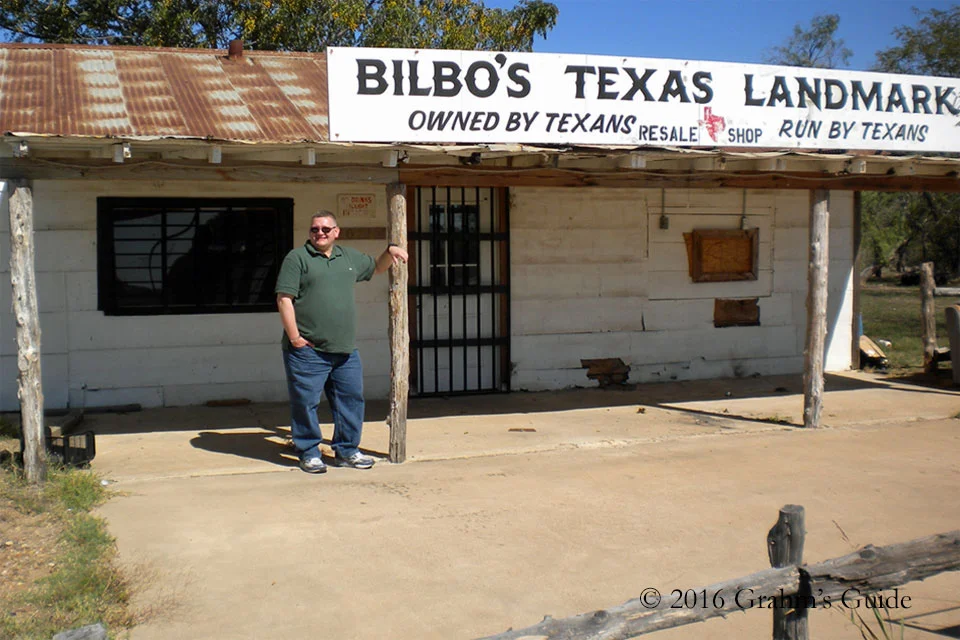
One of the most influential horror films ever made was also one of the most resourceful. Directed by Tobe Hooper on a shoestring budget, The Texas Chain Saw Massacre shocked audiences and redefined horror cinema with its gritty realism and unnerving Texas Gothic aesthetic. But while the story is fiction, the house, fields, and sun-blasted roads are very real — and you can still visit many of them.
The iconic “Leatherface house”, where most of the film’s horrifying action unfolds, was originally located in Round Rock. It was later moved and restored — now serving as a charming restaurant called The Grand Central Café in Kingsland, Texas. The juxtaposition of its cinematic past and current life as a brunch spot is surreal in the best way.
Drive the backroads of Bastrop County, and you’ll recognize the isolated rural landscapes that set the stage for the film’s terror. Film buffs often visit in October for horror-themed events and screenings. The movie’s grainy, washed-out color palette perfectly matched the harsh Texas sun, and today, that oppressive heat and open space still evoke an unsettling beauty.
3. No Country for Old Men (2007) – Eagle Pass, Marfa, Sanderson
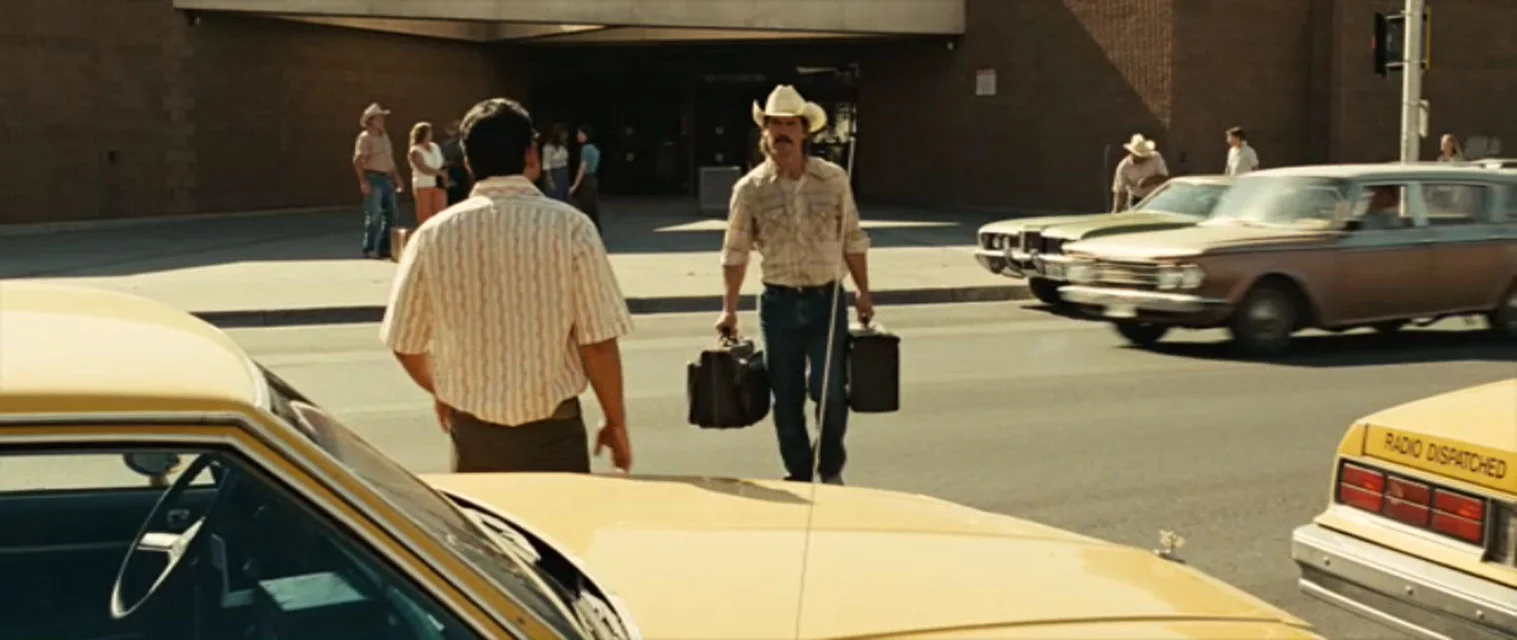
When the Coen Brothers set out to adapt Cormac McCarthy’s bleak borderlands novel, they knew they needed more than just dramatic vistas — they needed authenticity. No Country for Old Men is both a crime thriller and a meditation on fate, and much of its atmosphere is tied to its setting: the vast, sun-bleached landscapes of West and South Texas.
Filming locations included Eagle Pass, Sanderson, and Marfa, giving the film a stark and desolate texture. The desert highways, gas stations, and small-town motels seen throughout the movie can still be found, relatively untouched, in these areas. The motel scene where Anton Chigurh flips his infamous coin was filmed in Eagle Pass, and many of the film’s road scenes were captured along Highway 90.
Travelers retracing the movie’s steps often start in Marfa, then follow the film trail east through Alpine, Sanderson, and into the borderland towns. While not built for tourism, the raw landscapes and isolated beauty are deeply cinematic — and fans of the film will feel an eerie familiarity as they drive through them.
4. Boyhood (2014) – Houston, Austin, Big Bend
4. Boyhood (2014) – Houston, Austin, and Big Bend National Park
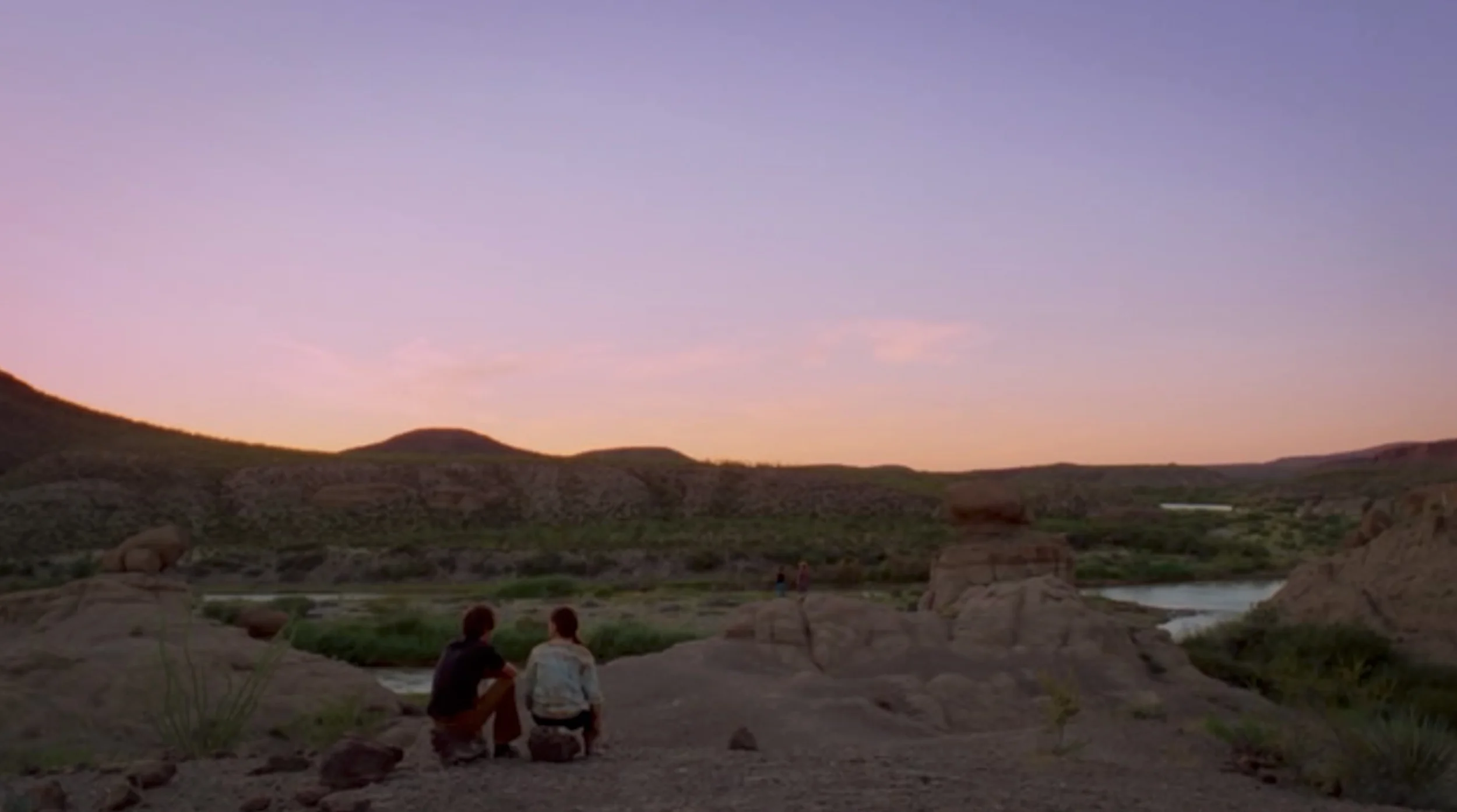
Richard Linklater’s Boyhood is unlike any other film on this list — or any other film ever made. Shot over 12 years with the same cast, it quietly chronicles the life of a Texas boy growing up in real time. The story is personal and intimate, but the settings — Houston suburbs, Austin neighborhoods, and eventually the majestic wilderness of Big Bend — make the movie a subtle love letter to the state itself.
The early scenes take place in east Houston, where modest houses and public schools shape the protagonist’s early life. Austin becomes central in the second half of the film, with key scenes shot near the University of Texas, Barton Springs, and South Congress. For anyone who’s lived in Austin during the 2000s, the city’s portrayal is deeply nostalgic — capturing the weirdness before it was polished, the calm before the condo towers.
The film’s final scenes unfold in the surreal beauty of Big Bend National Park. Hiking through canyons and gazing at endless desert, the characters — and viewers — are reminded of just how big Texas really is. For fans, recreating this journey is both a scenic road trip and an emotional rewatch.
The Last Picture Show (1971) – Archer City
Before Austin was known as a film town, director Peter Bogdanovich put rural Texas on the cinematic map with The Last Picture Show. This black-and-white classic, set in the 1950s, tells the story of a dying West Texas town and the young people trying to escape it. The town in question is Archer City, located north of Wichita Falls, where the movie was shot almost entirely on location.
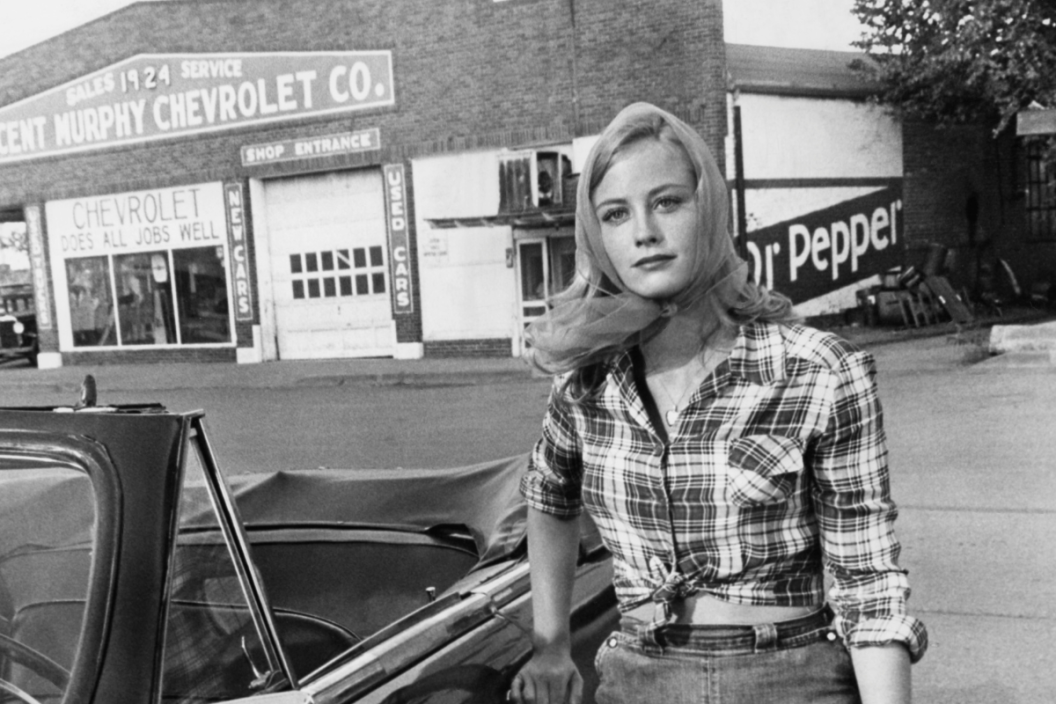
When you arrive in Archer City today, it still feels like stepping into the film — dusty streets, wide skies, and a quiet that feels unchanged by time. The Royal Theater, which played a central role in the movie’s story, was restored after a fire and still stands as a cultural landmark. You can visit the original downtown, where scenes of pool halls and gas stations were filmed, and even walk the same blocks that Jeff Bridges and Cybill Shepherd once did.
Bogdanovich’s film is slow, sad, and beautiful — much like the Texas it captures. Visiting Archer City is less about sightseeing and more about feeling what Texas once was and, in many ways, still is.
Final Frame: Seeing Texas Through the Movies
Texas has always been a state of stories, and these five films reflect different sides of its identity — grand, gothic, tender, terrifying. But what makes them iconic isn’t just their dialogue or direction. It’s how deeply rooted they are in place. The dry heat, the endless roads, the unpredictable small towns and epic horizons — they’re more than settings. They’re characters.
Whether you’re following a trail of terror through Bastrop County or chasing Oscar-winning beauty in the West Texas desert, Texas film tourism offers a visceral way to explore the state. You don’t just see the sights. You feel the scenes.
And if you’re lucky, you might just catch the light the way the director did — golden, unfiltered, and unmistakably Texan.
